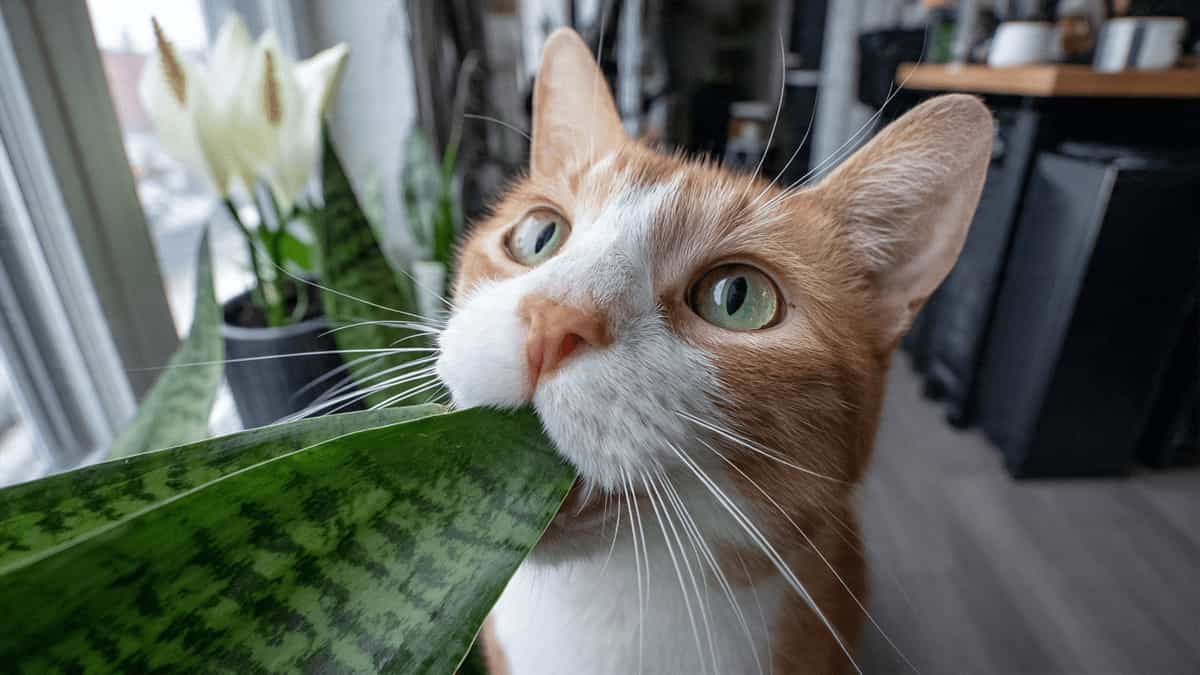
Snake Plants (Sansevieria), while popular as houseplants due to their resilience and air-purifying qualities, are unfortunately toxic to cats. Pet owners should be cautious about having these plants in homes with cats, as they can cause adverse reactions if ingested.
Why Are Snake Plants Toxic to Cats?
Snake Plants contain saponins, natural chemicals that protect the plant from pests, fungi, and harmful microbes. While these compounds help the plant thrive, they can be harmful to cats. When ingested, saponins can cause a range of gastrointestinal issues and discomfort in cats.
Symptoms of Snake Plant Toxicity in Cats:
- Nausea and vomiting
- Diarrhea
- Drooling
- Lethargy or weakness
- Loss of appetite
If you notice any of these symptoms and suspect your cat has chewed on or ingested part of a Snake Plant, it’s essential to contact a veterinarian immediately.
How Much of the Plant is Dangerous?
Even a small amount of Snake Plant ingestion can cause symptoms in cats. Cats that chew on the leaves are most at risk, but the entire plant, including the roots, contains saponins. While the toxicity is not usually life-threatening, it can cause significant discomfort and distress to your cat.
What to Do if Your Cat Ingests a Snake Plant
If you suspect your cat has eaten part of a Snake Plant, follow these steps:
- Remove any plant matter from the cat’s mouth.
- Observe for symptoms, such as vomiting or drooling.
- Contact your veterinarian for advice on how to manage the situation. In some cases, your vet may recommend bringing your cat in for a check-up, especially if the symptoms are severe.
- Monitor your cat for several hours to ensure that symptoms do not worsen.
Alternatives to Snake Plants for Cat Owners
If you’re a cat owner and still want to enjoy indoor plants, consider cat-safe alternatives. Here are a few non-toxic plants that are safe for cats:
- Spider Plant (Chlorophytum comosum)
- Areca Palm (Dypsis lutescens)
- Boston Fern (Nephrolepis exaltata)
- Calathea (Calathea spp.)
- Prayer Plant (Maranta leuconeura)
These plants can provide similar aesthetic appeal without the risk of harming your pets.
While Snake Plants are a great choice for many households, they are toxic to cats due to the presence of saponins. If you have a cat, it’s best to either avoid having Snake Plants or place them in areas where your pet cannot access them. Always be vigilant about the types of plants you introduce into your home to ensure a safe environment for your furry friends.