
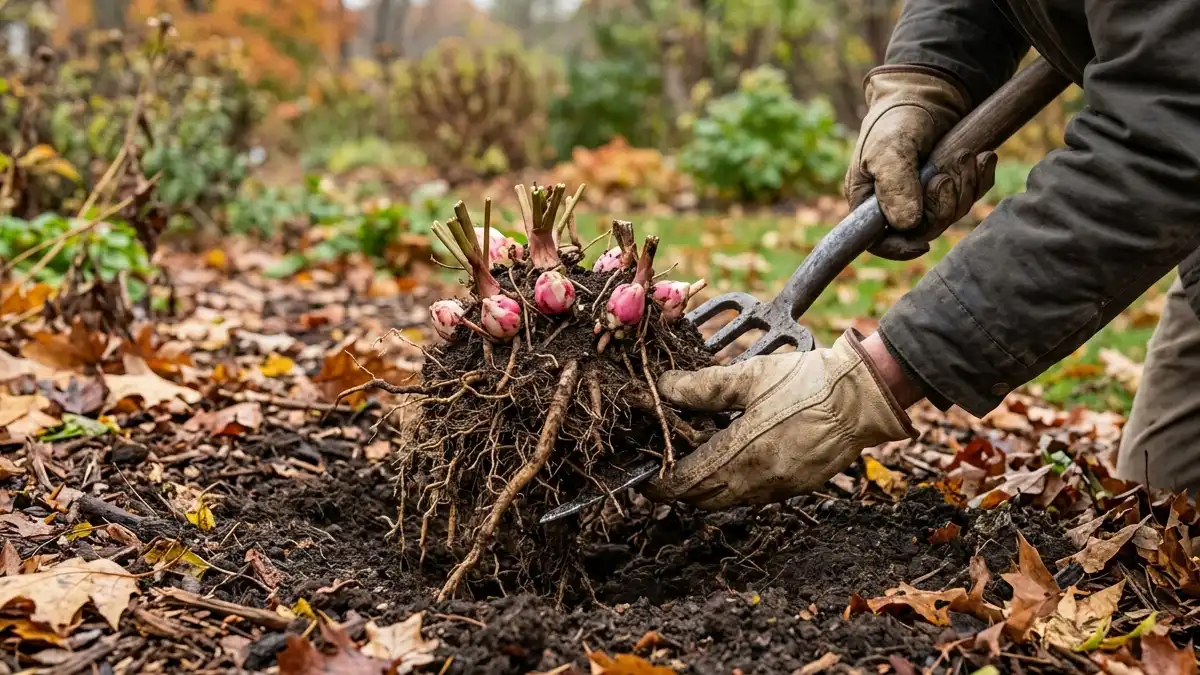
Introduction
You need to move your peony. Maybe you are remodeling the garden. Maybe the spot has become too shady. Or maybe you planted it in the wrong place years ago and are finally admitting the mistake. But you have heard the rumor: “Peonies hate being moved. They will die.”
Here is the truth: Peonies can be moved successfully – but timing and technique are everything. They will not die from a properly executed move. However, they will sulk for a year or two, refusing to bloom while their roots re‑establish.
This guide tells you exactly when and how to move a peony without killing it. Follow these steps, and your peony will survive – and eventually thrive – in its new home.
Do Peony Bushes Survive Transplanting?
Yes, peonies survive transplanting. They are not delicate orchids. Mature peonies have been moved from abandoned farmsteads and continued blooming for decades.
What “survive” means: The plant will live. It will produce leaves next spring. But it will likely not bloom for 1–2 years after a move. This is normal transplant shock, not death.
What kills peonies during a move:
- Transplanting in spring or summer (wrong time).
- Digging carelessly, breaking roots badly.
- Replanting too deep (the #1 killer).
- Letting roots dry out before replanting.
Avoid those mistakes, and your peony will be fine.
🌱 For more on peony resilience, see our guide: [How Long Does a Peony Bush Live?](internal link – Comparison Article 4).
Best Time to Move a Peony Bush
The only safe time: Fall (September through October). In warm climates (Zone 8+), you can move as late as November, as long as the ground is not frozen.
Why fall?
- Peonies are entering dormancy. Top growth has died back or is yellowing.
- Soil is still warm, encouraging root growth before winter.
- The plant stores energy in roots, ready for spring.
Never move a peony in spring or summer. Spring‑moved peonies often die or take 3+ years to recover. Summer heat during transplanting shocks the roots fatally.
🍂 For more on fall care, see our guide: [When to Cut Back a Peony Bush Without Hurting Next Year’s Blooms](internal link – Seasonal Article 1).
Why Spring Transplanting Often Fails
Spring is when peonies put all their energy into new shoots and flower buds. Digging them up then severs roots at the worst possible time.
What goes wrong:
- The plant loses its root system just as it needs maximum water and nutrients.
- New shoots wilt and may die.
- Even if the plant survives, it will not bloom for 2–3 years – if ever.
Exception: Moving a potted peony (already in a container) from one pot to another in spring is fine. But digging an in‑ground peony in spring is risky.
If you absolutely must move in spring (house sale, construction), dig a very large root ball (18+ inches wide), keep soil intact, and water heavily. Accept that the plant may die.
How Deep Do Peony Roots Grow?
Peony roots are surprisingly shallow but wide.
- Depth: Most roots are in the top 12–18 inches of soil.
- Spread: Roots can extend 12–24 inches horizontally from the crown.
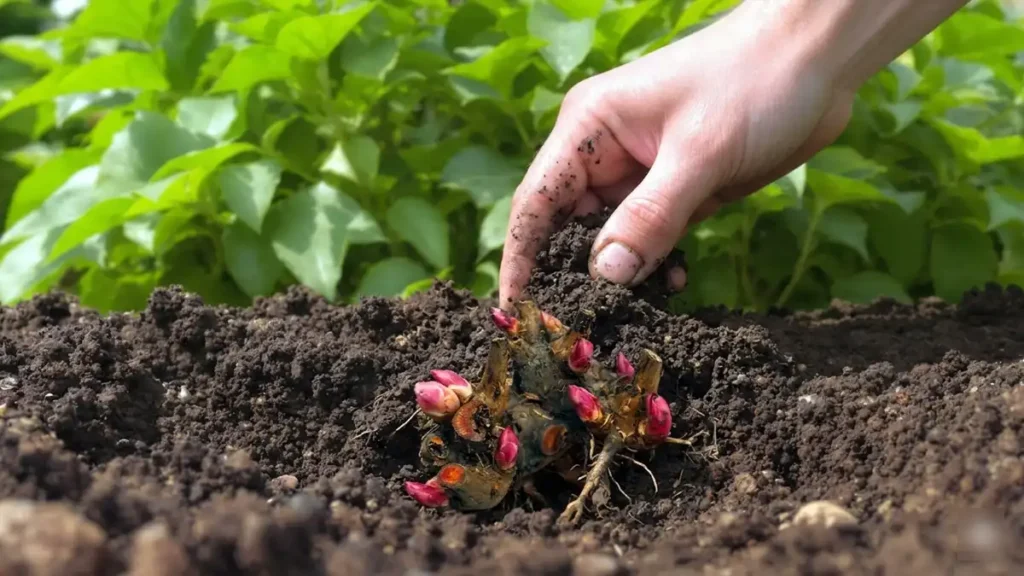
- The crown: The fleshy part where eyes (pink buds) emerge sits just below the soil surface (1.5–2 inches deep).
What this means for moving: You do not need to dig a deep hole. But you must dig a wide circle around the plant to capture enough roots. A narrow shovel slice will cut too many roots and weaken the peony.
📏 For more on planting depth, see our guide: Why Is My Peony Bush Not Blooming?.
Step‑by‑Step: How to Dig Up a Peony Safely
When to start: After the first hard frost (in cold climates) or when foliage has yellowed/browned (in warm climates). Cut stems to 4–6 inches tall so you can see what you are doing.
Tools needed: Sharp spade, garden fork, tarp or burlap, watering can.
Step 1: Water the day before. Moist soil holds together better around roots.
Step 2: Dig a wide circle. Start 12–15 inches from the crown. Go all the way around the plant.
Step 3: Pry up gently. Use the spade or garden fork to lift the root ball. Do not yank the stems. Peony roots are brittle – they may snap, but that is okay as long as you keep most of the root system.
Step 4: Shake off loose soil. But keep some soil around the roots to prevent drying.
Step 5: Inspect the roots. If the clump is very large (4+ inches across and woody), you can divide it (see Section 9 of the “How Long Does a Peony Bush Live?” guide). Otherwise, move the whole clump.
Step 6: Keep roots moist. Place the root ball on a tarp, wrap in burlap, or put in a bucket. Do not let roots sit in sun or dry out.
🛠️ For tool recommendations, see our essential gardening tools guide.
How to Replant Without Losing Blooms
Step 1: Prepare the new hole. Dig a hole 18 inches wide and 12–15 inches deep. Mix in compost.
Step 2: Check depth – crucial! The pink eyes must sit 1.5–2 inches below the final soil surface. Use a stick or ruler to measure. This is the most common reason transplanted peonies fail to bloom.
Step 3: Position the peony. Place the root ball so the eyes are at the correct depth. Spread roots outward.
Step 4: Backfill with native soil. Do not use heavy fertilizer in the hole – it can burn roots. Water gently as you fill to remove air pockets.
Step 5: Water deeply. Give the plant a thorough soak.
Step 6: Mulch lightly (cold climates only). In Zones 3–5, add 2 inches of straw or pine needles after the ground freezes. In warmer zones, no mulch.
Step 7: Mark the spot. You will forget where you planted it by spring. Use a stake or label.
🌍 For region‑specific planting advice, see our guides on peonies in Arizona and peonies in California.
Transplant Shock Signs to Expect
After moving, your peony will show signs of stress – but that does not mean it is dying.
| Sign | What It Means | Normal? |
|---|---|---|
| No shoots in first spring | Root recovery | Normal. Wait until May. |
| Small, sparse leaves | Energy redirected to roots | Normal for 1–2 years. |
| No blooms | Expected | Completely normal for 1–2 years. |
| Wilting after planting | Root disturbance | Normal. Keep soil moist (not soggy). |
| Yellowing lower leaves | Transplant shock | Normal in first season. |
| Black, mushy crown | Crown rot – not normal | Dig up, cut rotten parts, replant. |
When to worry: If you see no shoots at all by late spring (June in cold zones, May in warm zones), dig down to check the crown. If it is firm and has eyes, wait. If it is soft and black, the peony has died.
🩺 For more on disease, see our guide: Black Spots on Peony Leaves?
Will a Moved Peony Bloom Right Away?
No. Do not expect blooms for 1–2 years. This is the hardest part for gardeners.
Year 1 after move: Leaves only. Maybe 1–2 small blooms if you moved a very large clump, but do not count on it.
Year 2: More foliage, maybe a few blooms.
Year 3: Your peony should be back to normal blooming.
Why this happens: The peony prioritizes re‑growing feeder roots over flower production. It is saving energy for survival, not reproduction.
Do not fertilize heavily to force blooms – excess nitrogen will encourage leaves, not flowers. Patience is the only cure.
🌸 For more on bloom expectations, see our guide: Why Is My Peony Bush Not Blooming?
Mistakes That Can Kill a Transplanted Peony
Avoid these common errors:
| Mistake | Why It Kills | Prevention |
|---|---|---|
| Moving in spring/summer | Roots cannot support new growth | Move only in fall. |
| Planting too deep | Eyes buried >2 inches – no blooms, then weakens | Measure depth carefully. |
| Letting roots dry out | Root death | Keep roots moist during transport. |
| Skipping water after planting | Air pockets, root desiccation | Water thoroughly after replanting. |
| Fertilizing at planting | Burns roots | Wait until spring to fertilize. |
| Moving a very old peony (40+ years) | Stress may kill it | Take divisions, not the whole clump. |
The #1 killer: Planting too deep. After moving, double‑check the depth. Add or remove soil from under the root ball until eyes are at 1.5–2 inches.
💧 For more watering tips, see our watering guide for all plants.
How Long Recovery Usually Takes
Use this timeline for a fall‑moved peony:
| Time After Move | What to Expect |
|---|---|
| First spring (6 months later) | Small shoots, maybe 2–4 leaves. No blooms. |
| First summer | Leaves may look pale or small. Water during drought. |
| Second spring (18 months later) | Bigger plant, more leaves. Possibly 1–2 small blooms. |
| Second summer | Looks almost normal. |
| Third spring (30 months later) | Full blooms expected. |
If you moved a very large, established peony: Recovery may be faster – possibly blooms in year 2.
If you moved a small, young peony (under 3 years old): It may take just as long as a mature plant. Young roots are still shallow.
The bottom line: Do not give up. Your peony is not dead – it is just sulking. Give it time, correct care, and it will reward you for decades.
🌸 Quick Answer: Can I move a peony bush without killing it?
Yes – move it in fall (September–October) after the foliage has died back. Dig a wide root ball, replant at the correct depth (eyes 1.5–2 inches below soil), water well, and be patient. Expect no blooms for 1–2 years. Avoid moving in spring or summer – that often kills peonies.