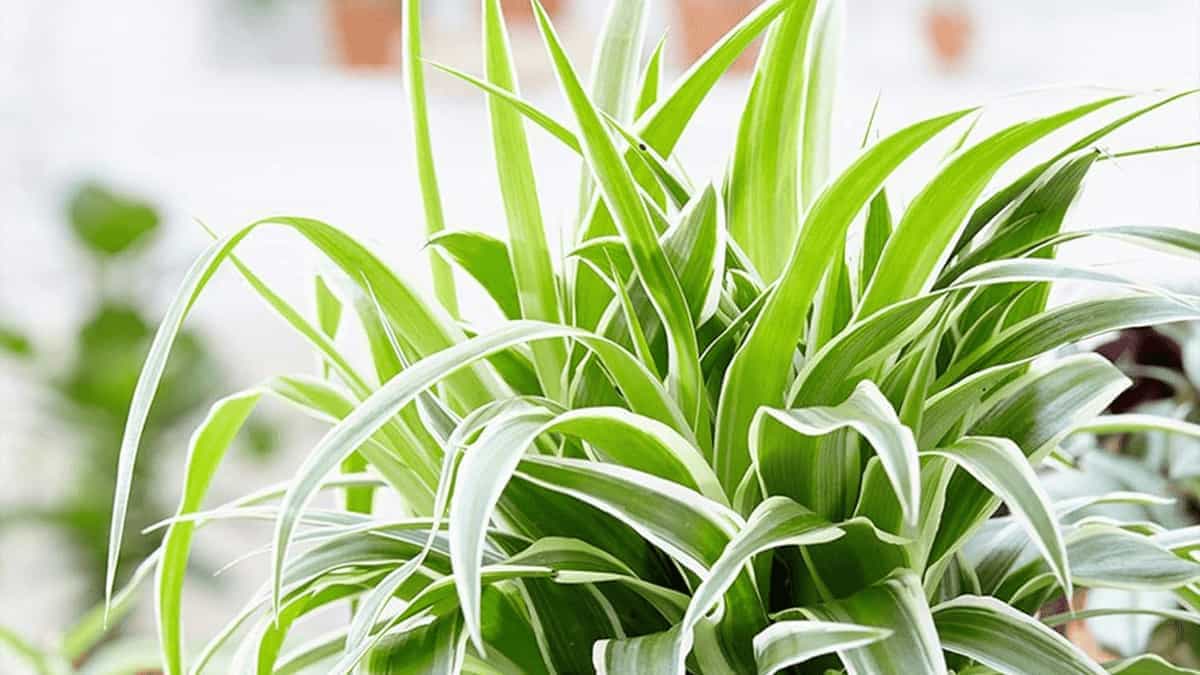
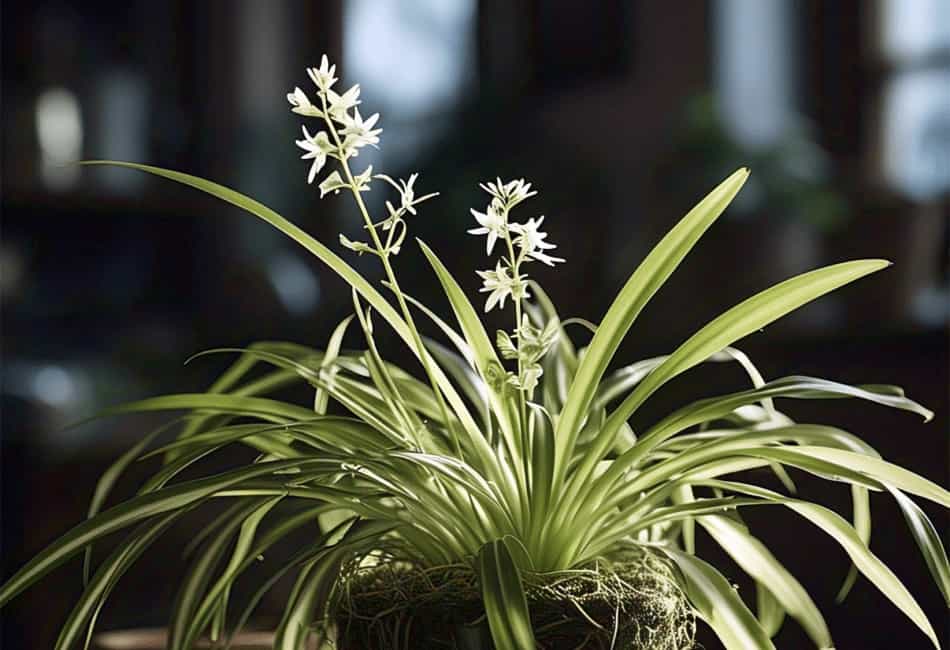
| The Spider Plant (Chlorophytum comosum) earned its name due to its long, slender, arching leaves and offshoots that resemble spiders dangling on webs. These offshoots, known as “spiderettes” or plantlets, hang from the parent plant on thin stems, giving it an appearance that resembles small spiders suspended in the air. |
Benefits of Spider Plant
Spider plants offer both aesthetic appeal and a wide range of health and environmental benefits: For more air-purifying plants, see our list of 25 pet-safe indoor plants.
- Air purification: NASA research has shown that spider plants efficiently remove pollutants such as carbon monoxide, formaldehyde, and xylene from indoor spaces.
- Increases humidity: By releasing moisture into the air, it helps combat dryness, reducing risks of dry skin, throat irritation, and respiratory problems.
- Non-toxic to pets: Safe for households with cats, dogs, or small children.
- Stress reduction: Having greenery like spider plants around can promote calm and relaxation.
- Low-maintenance plant: Ideal for busy individuals or beginner gardeners.
Spider Plants in Feng Shui
In Feng Shui, spider plants are believed to invite positive energy and remove negative energy from living spaces. Their cascading foliage symbolizes abundance and prosperity, making them ideal for homes and offices. Learn more about plant symbolism in our Feng Shui plant guide.
Different Types of Spider Plant
- Chlorophytum comosum ‘Vittatum’ – Green leaves with a central white stripe.
- Chlorophytum comosum ‘Variegatum’ – Green leaves with white edges, slightly smaller and bushier in appearance.
- Chlorophytum comosum ‘Bonnie’ – Features curled leaves with variegated patterns, perfect for hanging baskets.
- Chlorophytum comosum ‘Hawaiian’ – Glossy leaves with golden-yellow hues, adding a tropical touch.
How to Grow and Care for Spider Plant
Suitable Weather & Climate for Spider Plants
Climate: Spider plants thrive in temperate and tropical climates. They prefer temperatures between 55°F to 80°F (13°C to 27°C).
Humidity: Moderate humidity levels are ideal, though they adapt well to dry indoor environments.
Outdoor growth: In frost-free zones (USDA zones 9–11), they can be grown outdoors in partial shade.
Spider Plant Care:
– Light
Prefers indirect, bright light but can tolerate lower light conditions. Avoid direct sunlight, which can scorch the leaves.
– Soil
Grows best in well-draining, loamy soil. A mix of potting soil and perlite or sand promotes healthy drainage.
– Water
Water moderately when the top inch of soil feels dry. Avoid overwatering, which can lead to root rot. For comprehensive watering advice, check our watering guide for all plant types.
– Temperature & Humidity
Optimal temperature range: 60–75°F (15–24°C). While it tolerates lower humidity, occasional misting will keep the leaves fresh.
– Fertilizer
Feed with a balanced liquid fertilizer once a month during the growing season (spring to summer). Avoid over-fertilizing as it can cause leaf burn.
Suitable Pots
Hanging baskets or shallow pots are ideal for spider plants to accommodate their spreading roots. Ensure the pot has drainage holes to prevent waterlogging.
Best Time to Prune Spider Plants
The best time for pruning is during the spring or summer, when the plant is actively growing. Prune dead, yellowed leaves or any leggy growth to encourage healthier foliage and a more compact shape. Use clean, sharp scissors or pruning shears to avoid damaging the plant.
How to Propagate Spider Plants
Propagation is easy and effective using plant lets that grow along the mother plant’s runners.
Steps to Propagate:
- Select a healthy spiderette (baby plant).
- Place the spiderette in water or directly in moist soil.
- Keep in a warm, well-lit area until roots form (if using water).
- Once roots are 1–2 inches long, transplant into a pot with well-draining soil.
Helpful Tip for Growing Spider Plants Indoors
To boost plant growth, periodically rotate the pot so the plant receives even light exposure on all sides. This prevents the plant from becoming lopsided or leaning towards the light source.
Growing Spider Plant From Seed
Though less common, spider plants can be grown from seeds:
- Collect seeds from mature flowers.
- Soak the seeds in lukewarm water for 24 hours to enhance germination.
- Plant the seeds in light, airy soil and cover them lightly.
- Keep the soil moist and maintain temperatures between 65–75°F (18–24°C).
- Germination typically takes 2–3 weeks.
Repotting Spider Plant
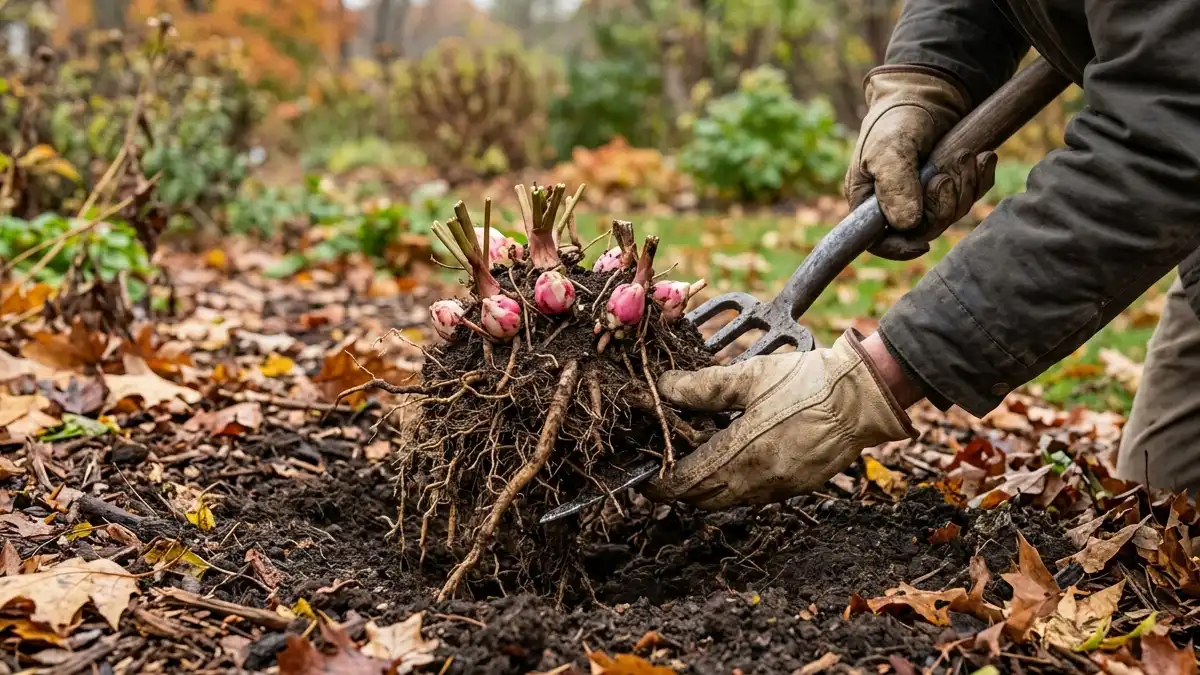
Spider plants need repotting every 1–2 years as they quickly become root-bound. For optimal growth, use essential gardening tools during the repotting process.
Steps for Repotting:
- Gently remove the plant from its pot, loosening the roots.
- Place it in a larger pot with fresh soil, ensuring the crown is at soil level.
- Water thoroughly after repotting and keep it in indirect light.
Pests & Diseases That Affect Spider Plants
Spider plants are relatively pest-resistant, but they may attract aphids or mealybugs. For natural pest control methods, explore our herb gardening guide which includes pest-repellent plants.
- Aphids
- Mealybugs
- Spider mites
- Scale insects
Fungal infections such as root rot can occur due to overwatering. Treat pests with insecticidal soap or neem oil, and improve air circulation to prevent fungal issues.
Common Problems With Spider Plants
1. Sparse Growth
Cause: Insufficient light or poor soil quality.
Solution: Move the plant to a brighter location and improve soil drainage.
2. Leaf Burn
Cause: Over-fertilization or fluoride in tap water.
Solution: Use filtered water and reduce fertilizer use. For more home improvement tips, see our room color guide to create an ideal plant environment.
3. Browning Leaf Tips
Cause: Low humidity or irregular watering.
Solution: Increase humidity and maintain a regular watering schedule.
Spider plants are easy to grow, visually appealing, and offer excellent air-purifying qualities. For more plant care inspiration, discover how to transform your outdoor space with our landscaping guide.
FAQs
Spider plant toxic to cats ?
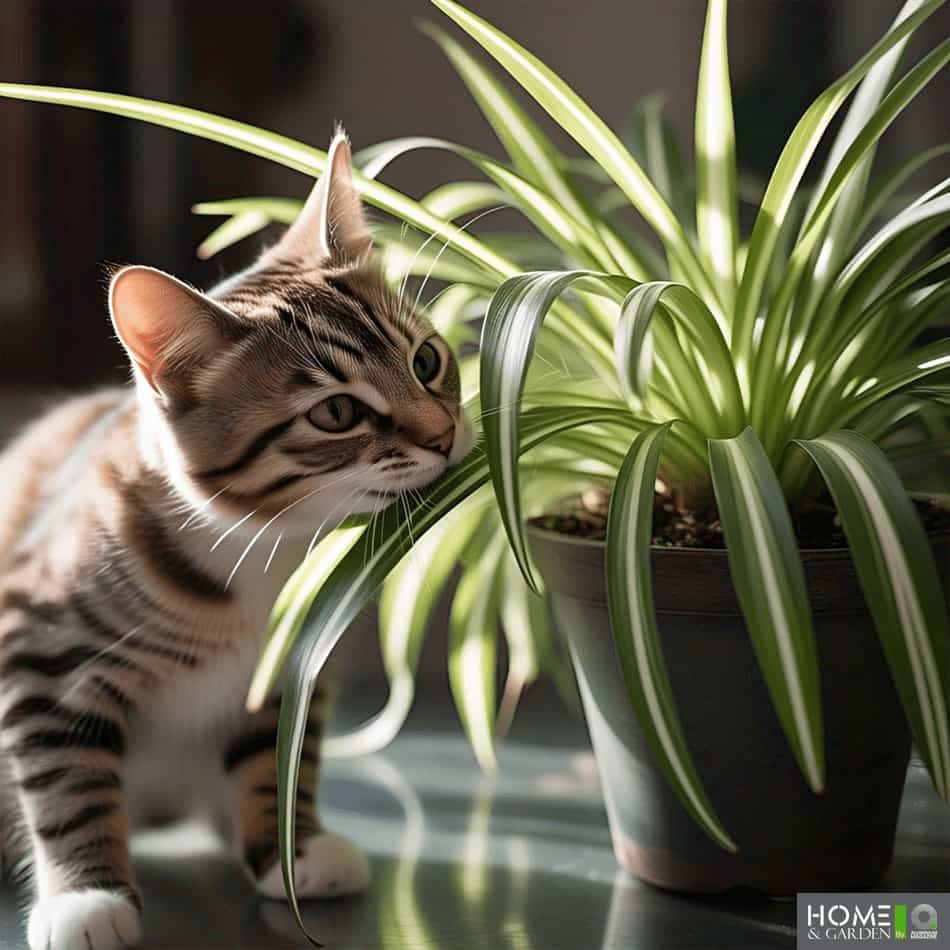
No, spider plants (Chlorophytum comosum) are considered non-toxic to cats according to the ASPCA (American Society for the Prevention of Cruelty to Animals). However, there is an important nuance to consider:
Why Do Cats Eat Spider Plants?
Spider plants contain compounds that are mildly hallucinogenic to cats, similar to the effect of catnip. This can make them attractive to felines, leading cats to chew or nibble on the leaves.
Is It Dangerous for Cats?
While the plant is not poisonous, excessive consumption may cause mild digestive issues such as:
- Vomiting
- Diarrhea
- Upset stomach
How to Keep Cats Away from Spider Plants
- Place the plant out of reach: Use hanging baskets or high shelves.
- Cat-safe deterrents: Spray the plant with a safe bitter spray to discourage chewing.
- Provide alternatives: Offer cat grass or catnip to distract them from houseplants.
In conclusion, while spider plants are non-toxic, it is best to monitor your cat’s interaction with them to prevent any potential digestive discomfort.
Last Updated: 21/04/2025