Culinary herbs and spices are the cornerstone of exceptional cooking, infusing dishes with vibrant flavours and aromas. Growing your own culinary herbs and spices not only provides fresh ingredients but also enhances the flavour, aroma, and health benefits of your meals.
Tips for Growing Culinary Herbs and Spices
Growing culinary herbs and spices at home is both rewarding and practical. Here are essential tips to ensure a bountiful harvest:
Choosing the Right Location
- Sunlight: Most culinary herbs require at least 6-8 hours of direct sunlight daily. Choose a sunny spot in your garden or a well-lit area indoors.
- Soil: Ensure well-drained, fertile soil. Use a mix of potting soil and compost to provide necessary nutrients.
Planting and Watering
- Spacing: Plant herbs with adequate spacing to allow airflow and reduce the risk of disease.
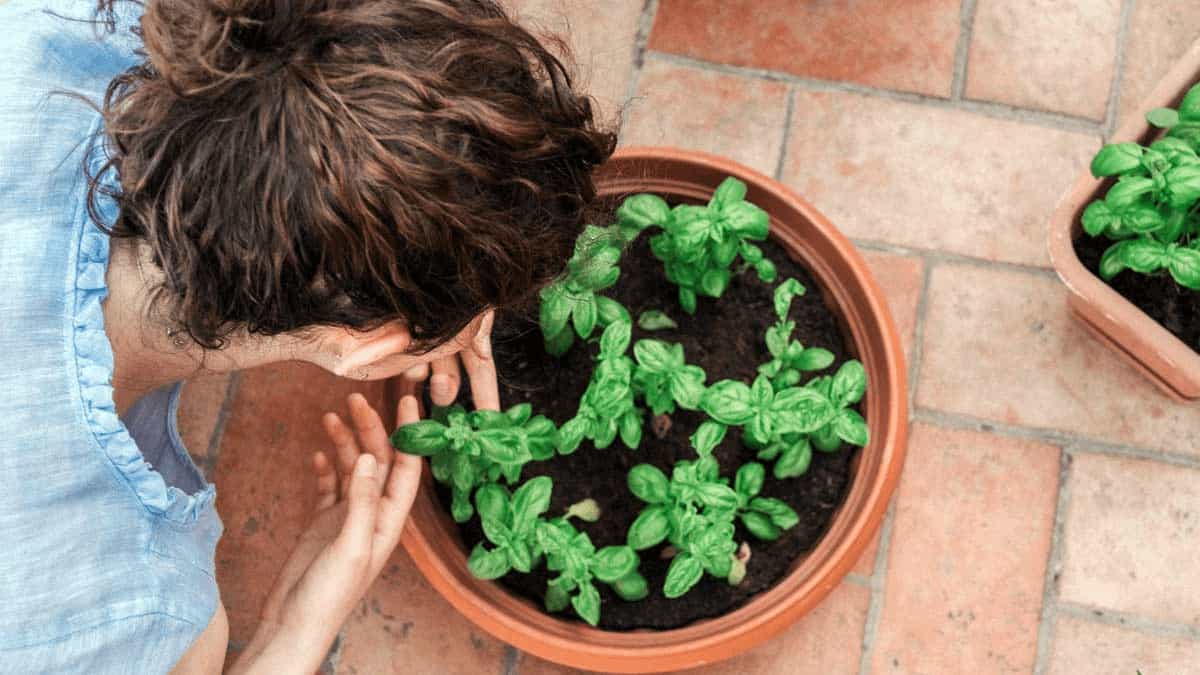
- Watering: Keep the soil consistently moist but not waterlogged. Herbs like basil prefer slightly more water, while rosemary and thyme thrive in drier conditions.
Maintenance
- Pruning: Regularly prune herbs to encourage bushier growth and prevent them from flowering too early.
- Pest Control: Use organic pest control methods, such as neem oil or introducing beneficial insects, to protect your plants.
Culinary Herbs and Spices List
Here is a comprehensive list of popular culinary herbs and spices:
Common Herbs
- Basil: Sweet, peppery flavour. Essential for pesto, salads, and Italian dishes.
- Thyme: Earthy, slightly minty. Perfect for soups, stews, and roasted meats.
- Rosemary: Pine-like aroma. Ideal for grilled meats, potatoes, and bread.
- Oregano: Robust, slightly bitter. Frequently used in Mediterranean cuisine.
- Parsley: Fresh, mild flavour. Great for garnishes, salads, and sauces.
- Cilantro: Bright, citrusy. Key ingredient in salsa, guacamole, and Asian dishes.
- Mint: Cool, refreshing. Excellent for teas, desserts, and Middle Eastern dishes.
- Sage: Savoury, slightly peppery. Complements poultry, pork, and stuffing.
Common Spices
- Cinnamon: Warm, sweet. Used in baking, desserts, and savoury dishes.
- Turmeric: Earthy, slightly bitter. Essential in curry powders and Asian cuisine.
- Ginger: Spicy, slightly sweet. Used in both sweet and savory dishes.
- Cumin: Warm, earthy. Key ingredient in chilli, curry, and Middle Eastern dishes.
- Paprika: Sweet to hot. Adds color and flavor to a variety of dishes.
- Cloves: Strong, sweet-spicy. Used in baking, meats, and marinades.
- Cardamom: Sweet, floral. Common in Indian cuisine and baking.
Best Culinary Herbs to Grow
Basil

Basil is a must-have in any herb garden. It’s versatile, easy to grow, and adds a burst of flavour to numerous dishes.
- Varieties: Sweet basil, Thai basil, lemon basil.
- Growing Conditions: Full sun, well-drained soil.
- Uses: Pesto, Caprese salad, Thai dishes.
Thyme

Thyme is a hardy perennial herb that can withstand various growing conditions.
- Varieties: Common thyme, lemon thyme, caraway thyme.
- Growing Conditions: Full sun to partial shade, well-drained soil.
- Uses: Roasted meats, soups, stews.
Rosemary

Rosemary is a woody perennial herb that adds a delightful aroma to the garden and kitchen.
- Varieties: Tuscan blue, prostrates.
- Growing Conditions: Full sun, well-drained soil.
- Uses: Grilled meats, potatoes, bread.
Mint

Mint is a vigorous grower that requires some containment to prevent it from spreading too much.
- Varieties: Peppermint, spearmint, chocolate mint.
- Growing Conditions: Partial shade to full sun, moist soil.
- Uses: Teas, desserts, salads.
Sage

Sage is a resilient perennial that enhances many savoury dishes.
- Varieties: Common sage, purple sage, pineapple sage.
- Growing Conditions: Full sun, well-drained soil.
- Uses: Poultry, pork, stuffing.
FAQs
Which Herbs Are Perennials?
Perennial Herbs Are:
Thyme, Rosemary, Sage, Oregano, Chives, and Mint.
How do I start a herb garden indoors?
To start an indoor herb garden, choose a sunny windowsill or use grow lights. Select herbs that thrive indoors, such as basil, parsley, and chives. Use well-draining soil and pots with drainage holes to prevent waterlogging.
Can I grow herbs and spices in small spaces?
Yes, many herbs and spices can be grown in small spaces using containers or vertical gardens. Choose compact varieties and ensure they receive adequate sunlight and water.
How do I know when my herbs are ready to harvest?
Herbs are ready to harvest when they have enough mature leaves to sustain growth. For most herbs, this is when the plant is about 6-8 inches tall. Harvest in the morning for the best flavour.
What are the best containers for growing herbs?
The best containers for growing herbs have good drainage. Terracotta pots are popular because they allow the soil to breathe, but any container with drainage holes will work.
How can I keep my herbs and spices fresh for longer?
To keep herbs fresh, store them in the refrigerator with their stems in water, or wrap them in a damp paper towel and place them in a plastic bag. For spices, keep them in airtight containers away from heat and light.
Growing your own culinary herbs and spices is a rewarding endeavour that enhances your cooking and provides numerous benefits. With the right care and attention, you can enjoy a bountiful harvest of fresh, flavourful ingredients year-round. Start your garden today and experience the joy of home-grown herbs and spices.
| Keywords: Culinary herbs and spices list, perennial culinary herbs, culinary herbs and spices, culinary herbs to grow, |