Spider plants (Chlorophytum comosum) are beloved for their easy care and cascading foliage. While the classic variety features green leaves with white stripes, some variations exhibit pink hues—but is there really a “pink spider plant“? Let’s clarify the differences and explore care tips for these popular houseplants.
True Spider Plants vs. Mislabeled “Pink” Varieties
1. Classic White Spider Plant (Chlorophytum comosum ‘Vittatum’)
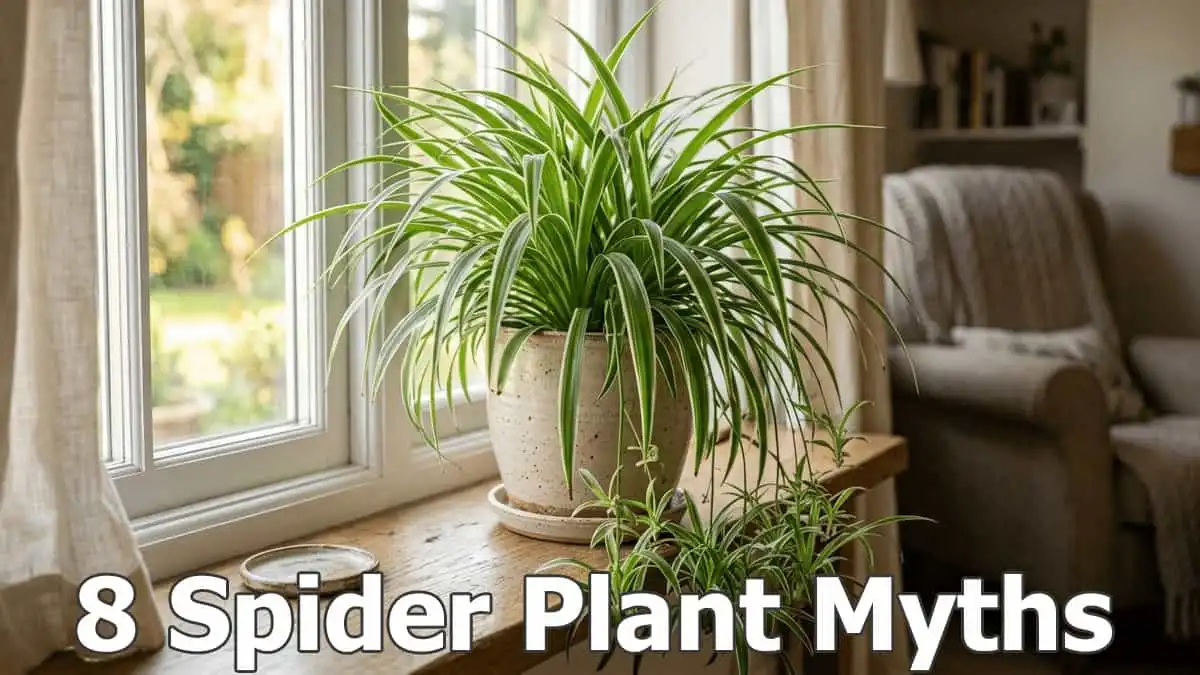
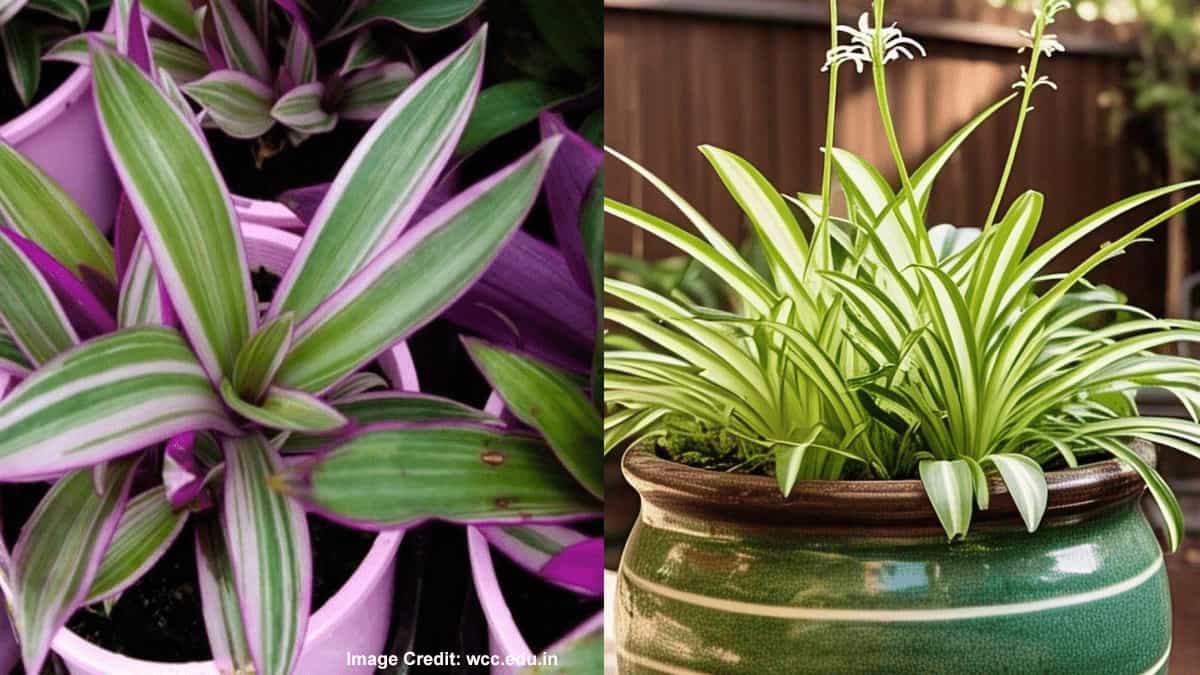
- Appearance: Long, arching green leaves with a central white stripe.
- Growth: Produces white flowers and baby spiderettes on long stems.
- Light: Thrives in bright, indirect light but tolerates lower light.
2. Pink-Tinged Spider Plant (Chlorophytum comosum with variegation)
- Some spider plants develop a slight pink or reddish tint on their white stripes, especially under high light or stress.
- This is not a separate variety but a natural color variation.
3. “Pink Spider Plant” (Often Tradescantia spathacea, aka Oyster Plant)
- Not a true spider plant but sometimes marketed as one.
- Appearance: Thick, sword-shaped leaves with green tops and deep purple-pink undersides.
- Growth: More compact, with a rosette form rather than trailing stems.
Key Differences
| Feature | White Spider Plant | Pink-Tinged Spider Plant | “Pink Spider Plant” (Tradescantia) |
|---|---|---|---|
| Botanical Name | Chlorophytum comosum | Chlorophytum comosum (variegated) | Tradescantia spathacea |
| Leaf Color | Green with white stripe | Green with white/pink stripe | Green top, purple-pink underside |
| Growth Habit | Trailing, produces offsets | Similar to classic spider plant | Upright, clumping |
| Care Level | Easy | Easy | Moderate (needs more humidity) |
Care Tips for Spider Plants
- Light: Bright, indirect light keeps variegation vibrant. Too much sun can scorch leaves.
- Watering: Let soil dry slightly between waterings. Overwatering causes root rot.
- Propagation: Easily grown from spiderettes. For more on plant care, see this watering guide.
Tradescantia spathacea (“Pink Spider Plant”) Care
- Prefers bright, indirect light to maintain pink/purple hues.
- Needs higher humidity than true spider plants.
- Propagation: By division or stem cuttings.
Which One Should You Choose?
- For hanging baskets & air purification, stick with Chlorophytum comosum.
- For bold pink foliage, Tradescantia spathacea is striking but requires more attention.
For more on pet-safe plants, check out this list of non-toxic houseplants.
Final Thoughts
While true pink spider plants are rare, the Tradescantia spathacea offers a vibrant alternative. Both are great for indoor gardening—just know what you’re buying! For more plant inspiration, explore how to decorate with indoor plants.
Would you prefer the classic spider plant or the bold Tradescantia? Let us know in the comments!