At first glance, the most beautiful gardens often seem effortless.
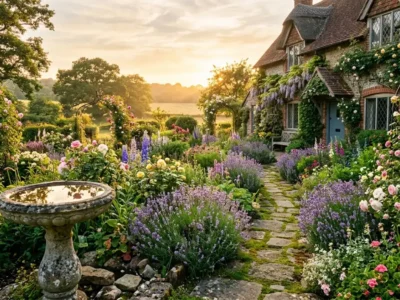
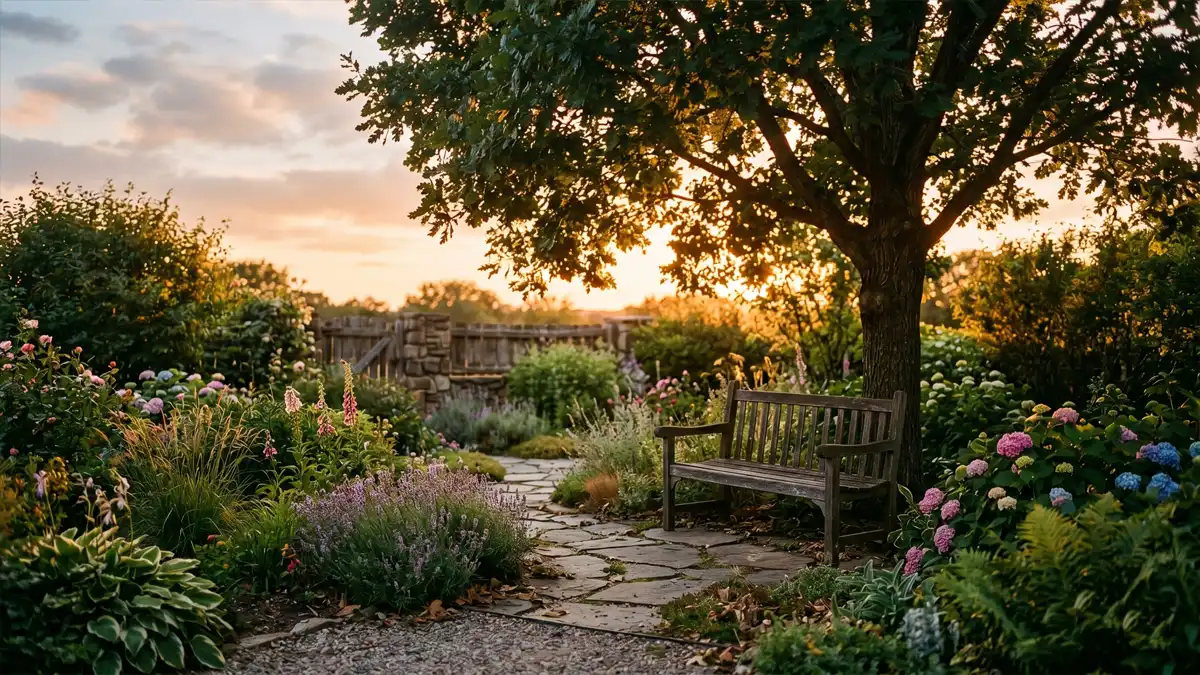
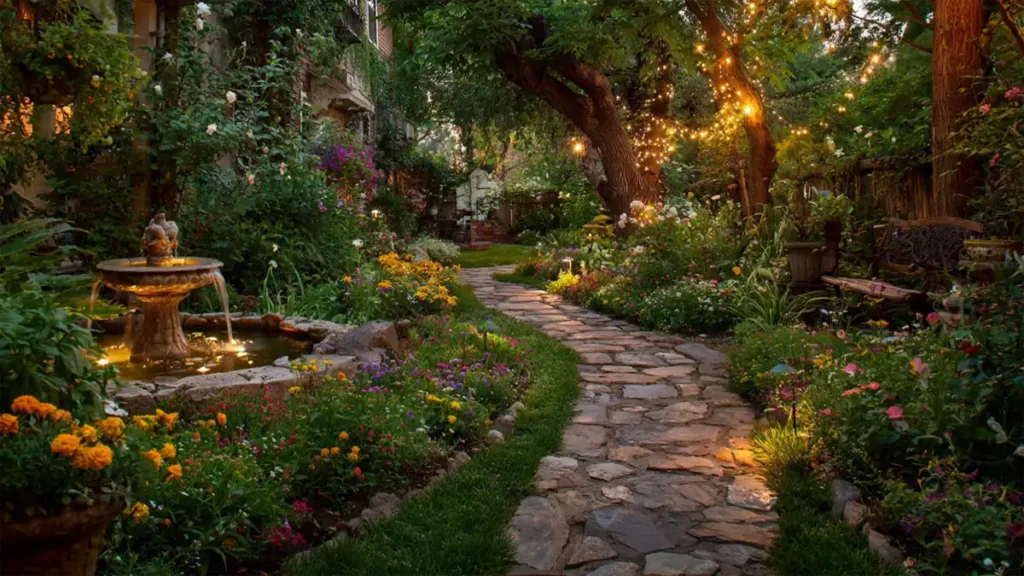
A stone pathway curves gently through flowers. A bench sits beneath a tree as if it has always belonged there. Soft lights appear at dusk, and somewhere nearby, water moves quietly enough that you notice it only after you stop talking.
But spend a little more time in a memorable garden, and something else begins to reveal itself.
It isn’t just a collection of plants.
It’s a collection of decisions.
The way textures are layered. The way light changes after sunset. The way a fountain becomes a pause in the landscape, or how a weathered sculpture quietly anchors an entire corner.
The most enchanting gardens are rarely the most expensive or the most elaborate.
They are the ones where nature and personality seem to have grown together.
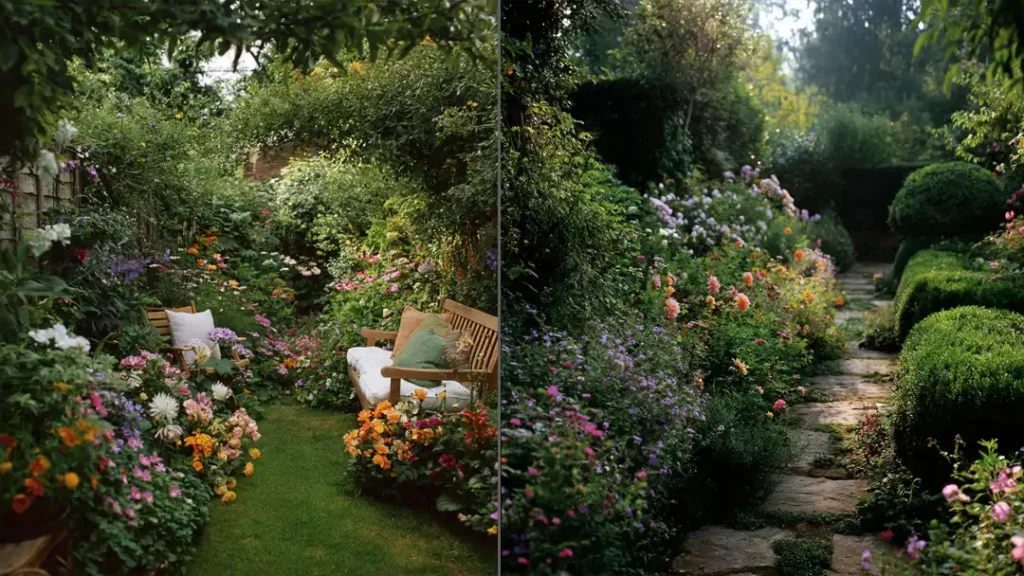
Plants are usually where the story begins.
Some gardens are structured, with clipped hedges and carefully arranged borders. Others feel looser, allowing flowers and grasses to spill over pathways and soften hard edges.
Neither approach is necessarily better.
What matters is the mood they create.
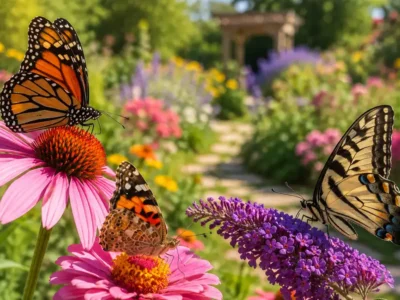
A garden filled with wildflowers feels optimistic and spontaneous. A garden of sculpted shrubs and stone pathways feels calm and deliberate. If you are looking to design a more free-flowing, natural look, you might find inspiration in our guide on creating stunning wildflower gardens.
The design is different.
The feeling is different too.
And that feeling is what people remember.
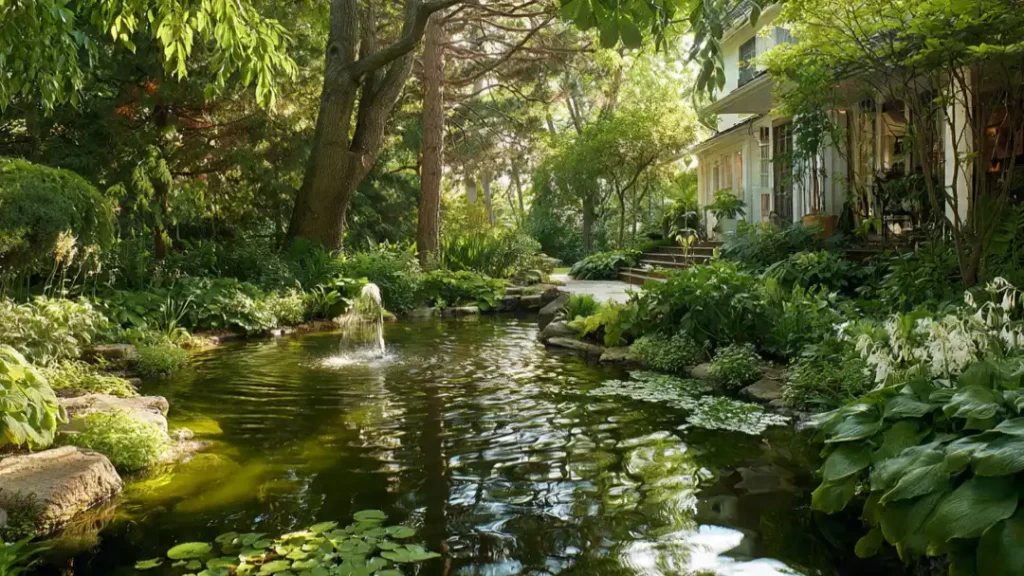
Water often becomes the next chapter.
Not because it demands attention, but because it changes the atmosphere in ways plants alone cannot.
A small fountain introduces movement.
A pond reflects the sky.
Even the softest trickle of water can make a garden feel more secluded, more peaceful, and somehow larger than it really is.
The best water features don’t become the center of attention.
They become part of the rhythm of the space. To better understand how to integrate these elements from the ground up, exploring landscape planning techniques can help you position them perfectly.
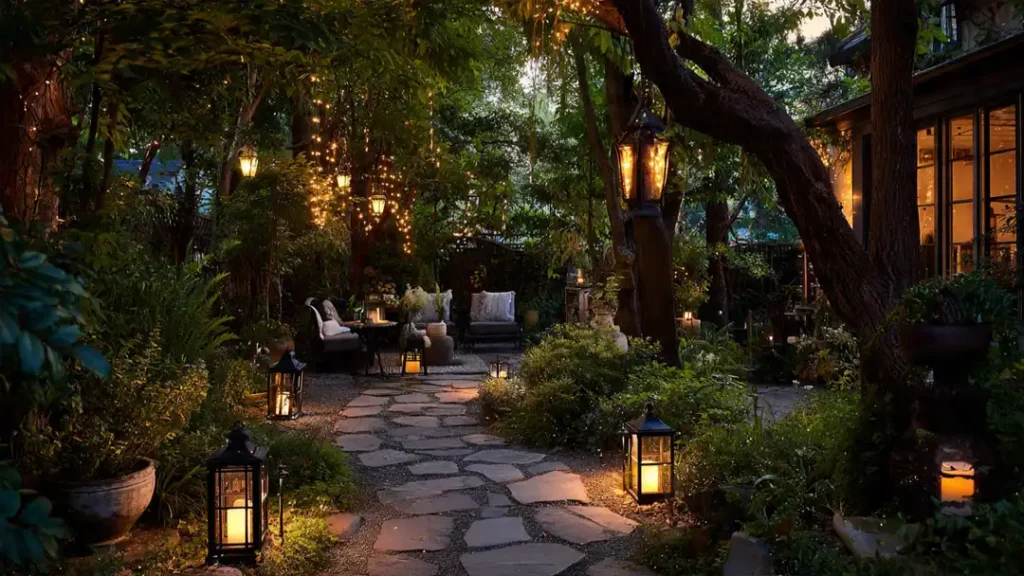
Then comes light.
During the day, gardens are defined by color.
At night, they are defined by atmosphere.
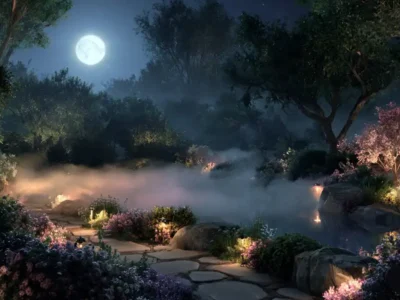
Pathway lights guide movement. Lanterns create warmth. Fairy lights woven through trees blur the line between landscape and theatre.
Shadows become part of the design.
Silence becomes part of the experience.
And suddenly, the garden isn’t somewhere you look at.
It’s somewhere you want to stay.
Perhaps that’s why gardens are never truly finished.
Plants mature.
Seasons change.
Ideas evolve.
Over time, what began as an outdoor project slowly becomes something more personal — a place shaped not only by design choices, but by the life lived around them.
And maybe that’s what a living art space really is.
Not a garden that looks perfect.
But a garden that continues telling its story, one season at a time. Just as the overall design evolves, so does the supporting cast; learning about companion plants for your peony bush shows how thoughtful pairings can enhance the story of a specific corner. Similarly, understanding the difference between plant types, such as the peony bush vs. tree peony, can help you make informed decisions that add depth and longevity to your garden’s narrative.