A Flower That Needs No Introduction
Imagine a flower so lush, so fragrant, and so bold that it has stolen hearts across continents for centuries. That’s the peony – a bloom that doesn’t just sit in a garden; it commands attention. From imperial palaces in China to modern wedding bouquets in the United States, peonies carry stories of wealth, love, and honor. But what makes this flower so universally adored? Is it the layers of velvet petals, or something deeper? Let’s travel across cultures and uncover the hidden meanings behind one of the world’s most beloved flowers.
What Does a Peony Symbolize?
At first glance, the peony is simply stunning. But look closer, and you’ll find a world of meaning wrapped in every petal. Across different lands and traditions, this flower speaks a universal language of prosperity, good fortune, and romantic love. It’s no wonder peonies have been treasured for generations – they represent everything people dream of: a flourishing life, a happy family, and beauty that never fades.
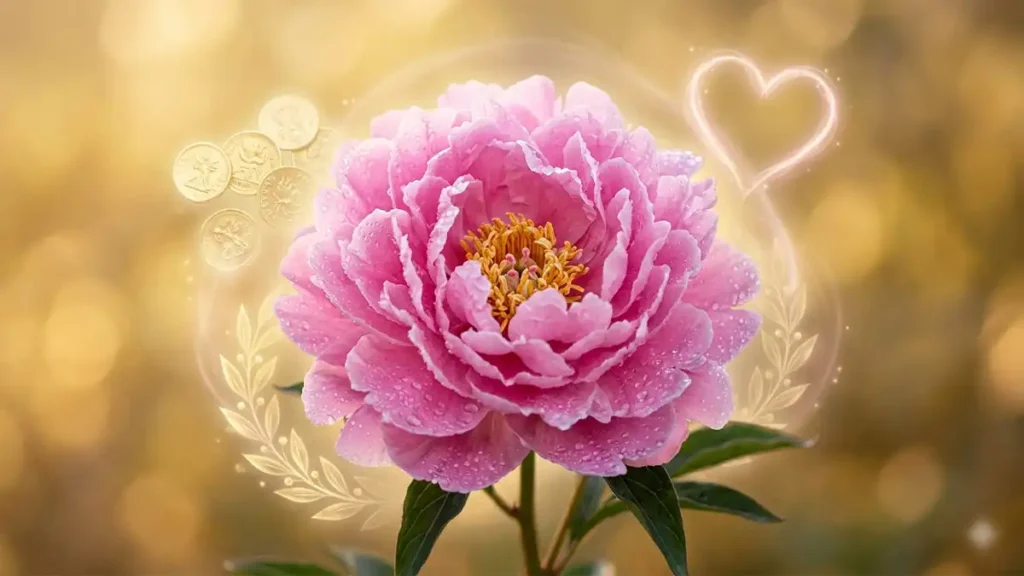
In China, the peony is crowned the “King of Flowers,” a title that carries weight. Here, it whispers of wealth, power, and nobility, often linked to emperors and their grand courts. But the peony isn’t just about status – it also celebrates feminine grace and elegance. Whether you’re giving a bouquet to a loved one or planting a bush in your backyard, this flower promises a life full of abundance and joy.
The Peony in the United States: A Flower of Celebration
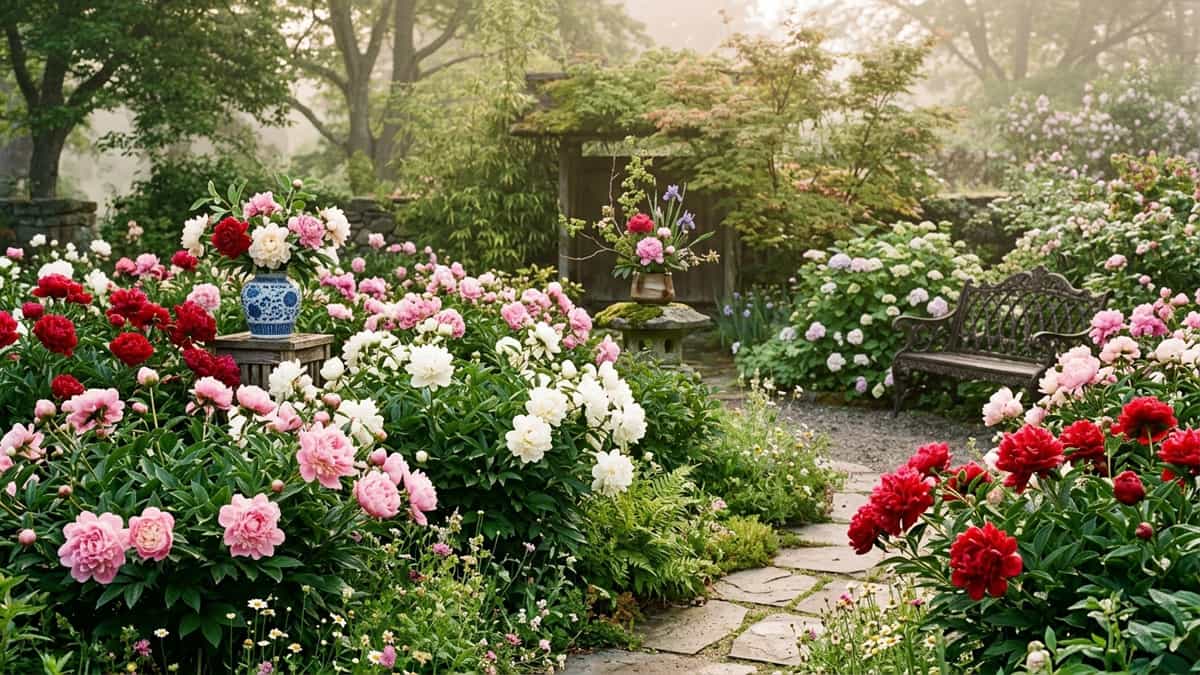
In the United States, peonies have become the unofficial mascot of life’s happiest moments. When late spring arrives and these giant blooms burst open, you know it’s time to celebrate. Weddings, garden parties, and graduations – peonies are everywhere, and for good reason. Their soft petals and sweet scent bring a sense of new beginnings and good fortune.
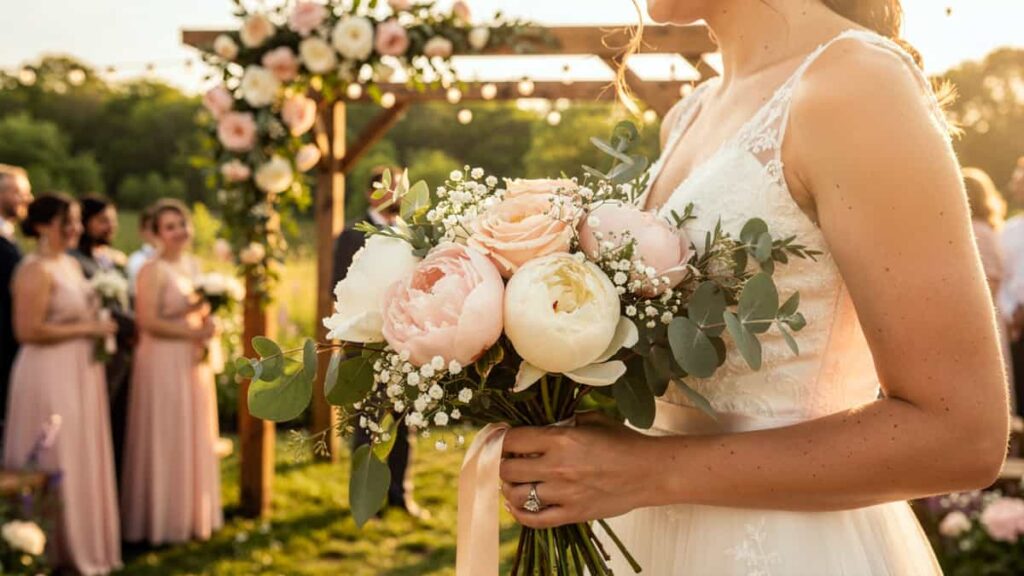
Walk down any bridal aisle in America, and chances are you’ll spot peonies in the bouquet. Brides love them because they symbolize a prosperous marriage and a lifetime of happiness. But you don’t need a wedding to enjoy peonies. Home decorators and gardeners plant them to add a splash of joy and vitality to their spaces. After a long winter, seeing a peony bloom feels like a promise – warmer days and fresh starts are here.
Peonies in European Countries: Symbolism of Honor and Wealth
Europe has long adored the peony for its regal charm. From the grand châteaus of France to the sun-drenched gardens of Italy, this flower whispers tales of royalty and prestige. In France, cultivating peonies is believed to attract good fortune, and their massive, fragrant blooms are a staple of aristocratic estates. The French, known for their love of beauty, treat peonies as living art – each petal a brushstroke of luxury.
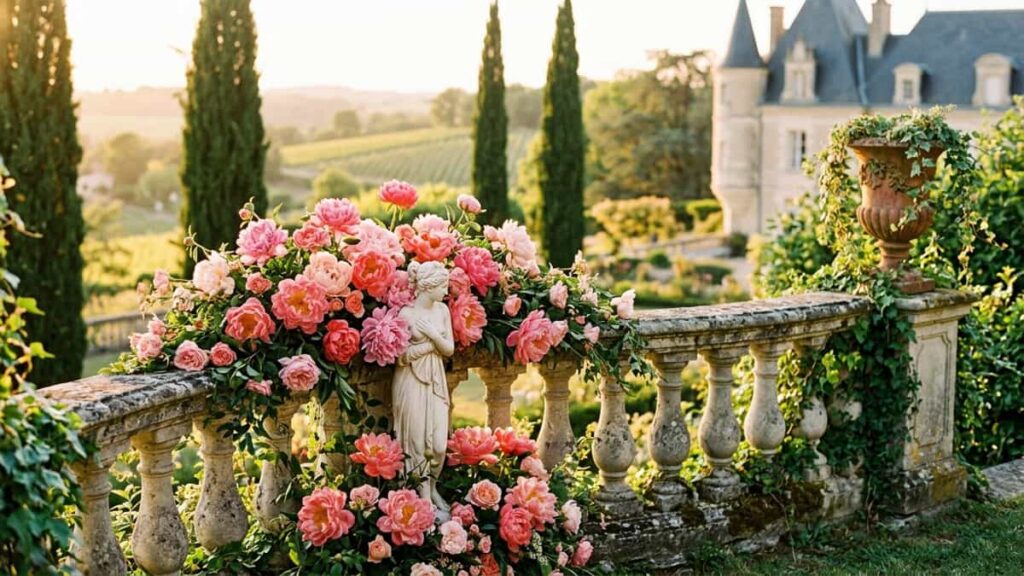
In Italy, peonies grace weddings and banquets, symbolizing wealth and elegance. They’re the flower you bring out when only the best will do. And then there’s Greece, where the peony carries a mythic touch. Legend ties it to Aphrodite, the goddess of love, making it a timeless emblem of romance and beauty. Whether in a vase or a painting, European peonies never forget their noble roots.
The Cultural Significance of Peonies in Asian Countries
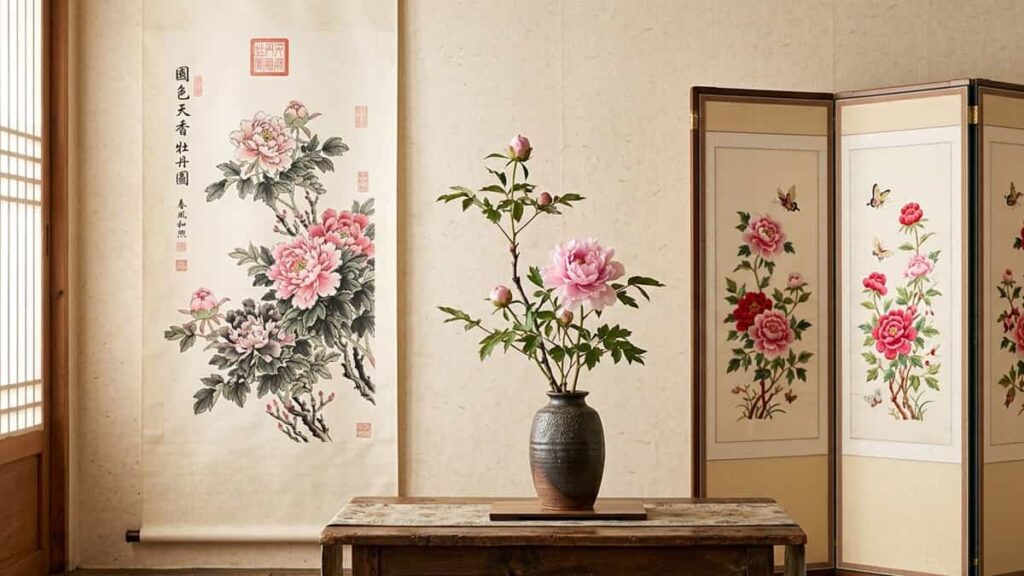
Across Asia, the peony is more than a pretty face – it’s a cultural icon. In China, Japan, Korea, and beyond, this flower has been woven into art, poetry, and tradition for centuries. Each country adds its own flavor, but the thread of admiration runs deep.
Peonies in China: The Flower of Nobility and Prosperity
In China, the peony reigns supreme. Known as the “King of Flowers,” it has been celebrated since the Tang Dynasty, when emperors filled their gardens with these majestic blooms. To see a peony was to witness wealth, power, and nobility in living color. The flower became a symbol of the imperial family, representing the grandeur of dynasties that shaped history.
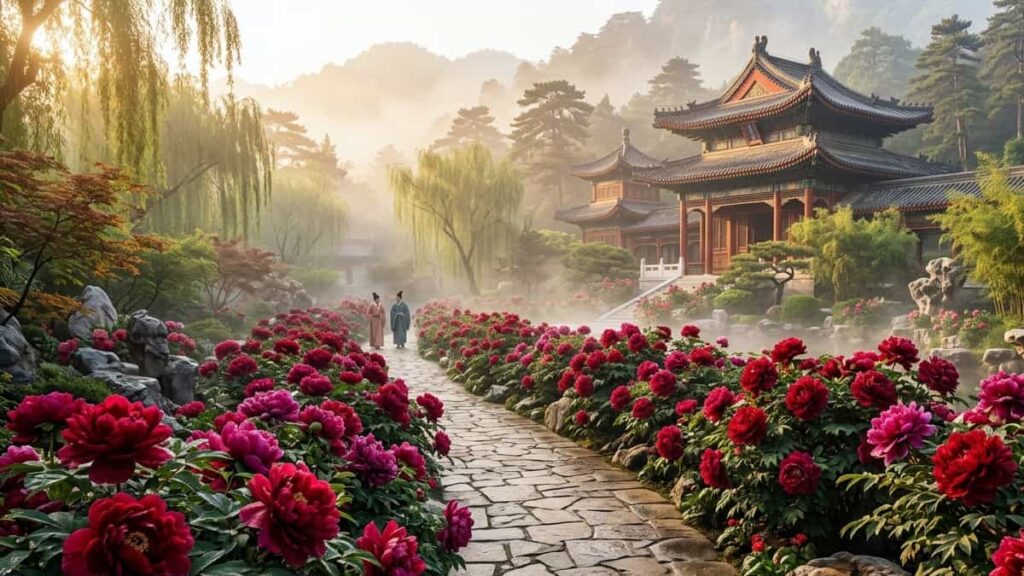
But the peony is also deeply personal. It blooms in spring, ushering in renewal and fortune. Many believe it wards off evil spirits and brings blessings to the home. In traditional Chinese art, you’ll find peonies painted in red and pink on porcelain scrolls, often symbolizing feminine beauty and grace. There’s a quiet pride in the peony – a reminder that true prosperity is both elegant and strong.
Peonies in Japan: A Symbol of Honor and Courage
In Japan, the peony is called botan, and its story takes a different turn. Here, the flower is tied to the samurai – the warrior class who valued honor and bravery above all. The peony’s bold, fearless appearance mirrored the spirit of a warrior: unyielding yet beautiful. It wasn’t just decoration; it was a statement of courage.
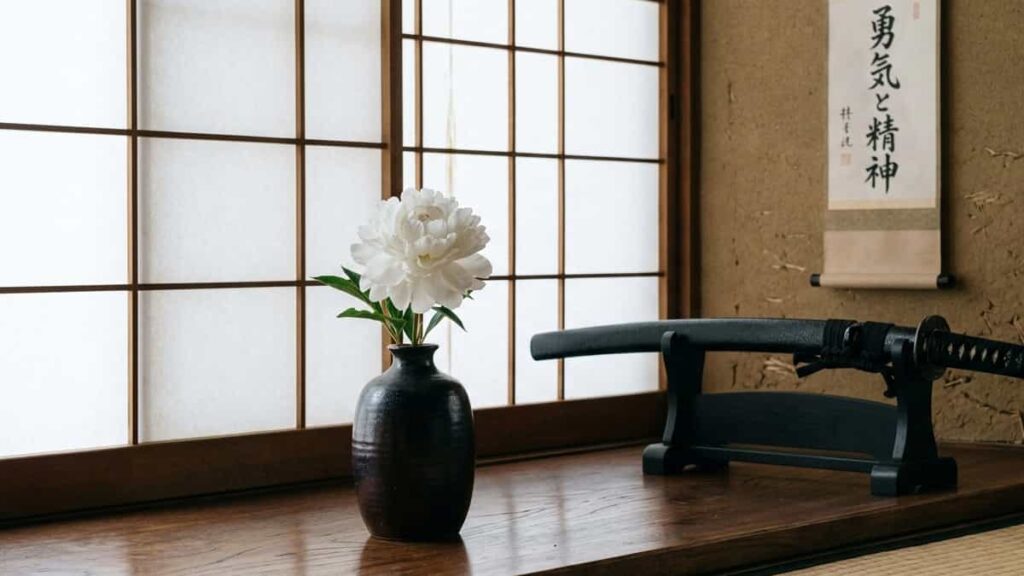
Beyond the battlefield, peonies found a home in Ikebana, the Japanese art of flower arranging. Every stem and petal is placed with intention, and the peony often represents beauty and elegance in its purest form. You’ll also see peonies in traditional wedding ceremonies, where they stand for harmony and a prosperous future for the couple. In Japan, the peony whispers of discipline, art, and lasting love.
Peonies in Other Asian Cultures: A Symbol of Beauty and Good Fortune
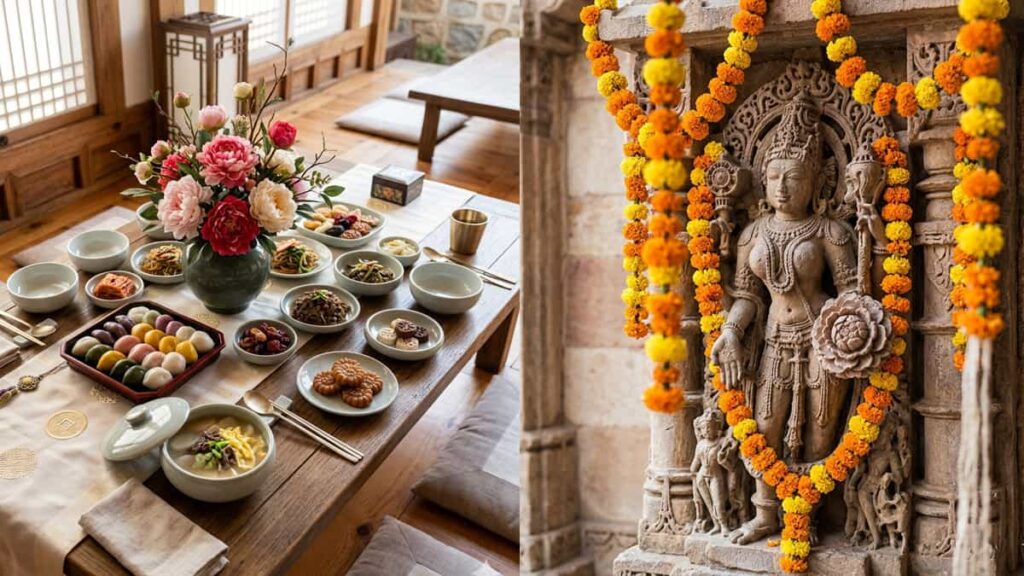
In Korea, peonies are stars of major celebrations like the Lunar New Year. They symbolize wealth and prosperity, often appearing on decorative screens and household items to invite good luck. Meanwhile, in India, the peony is associated with divine beauty and grace, sometimes linked to goddesses in temple art. Though each culture has its own accent, the message is universal: peonies bring fortune, honor, and a touch of the sacred.
The Health Benefits and Medicinal Use of Peonies
Peonies aren’t just a feast for the eyes – they’ve also played a role in traditional medicine for centuries. In both Chinese herbalism and European folk remedies, the root of the peony plant has been valued for its healing properties. Known scientifically as Paeonia, the root is often used to reduce inflammation, ease pain, and calm stress-related disorders.
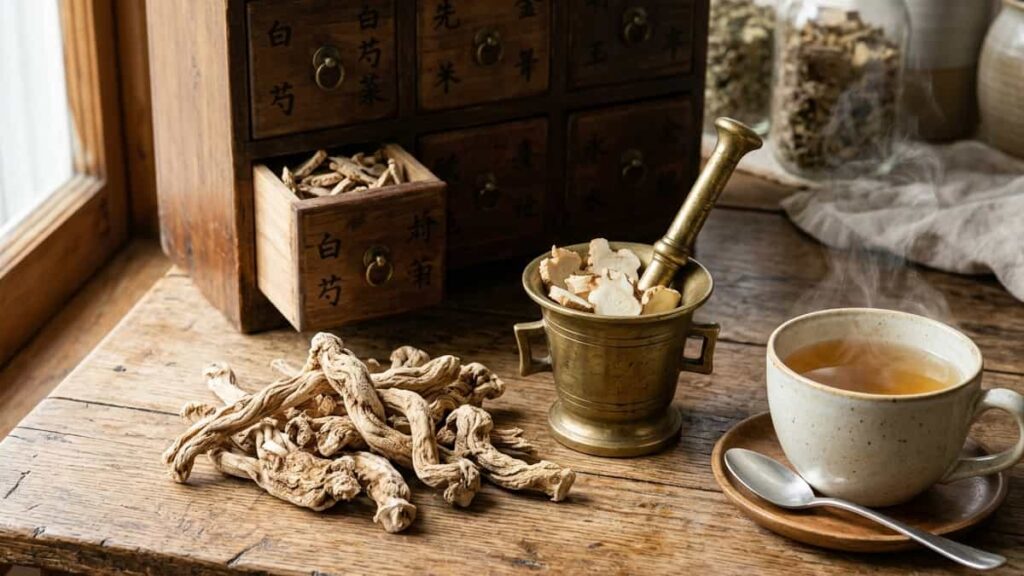
Traditional Chinese Medicine (TCM), for example, uses peony root (called Bai Shao or Chi Shao) in formulas to nourish the blood and soothe the liver. In Europe, herbalists applied peony preparations to treat cramps and nervous tension. Modern research suggests these ancient uses may have merit, but always consult a professional before trying herbal remedies. What’s clear is that the peony has always been more than a pretty bloom – it’s a plant with depth, beauty, and healing potential.
The Timeless Appeal of Peonies Across Cultures
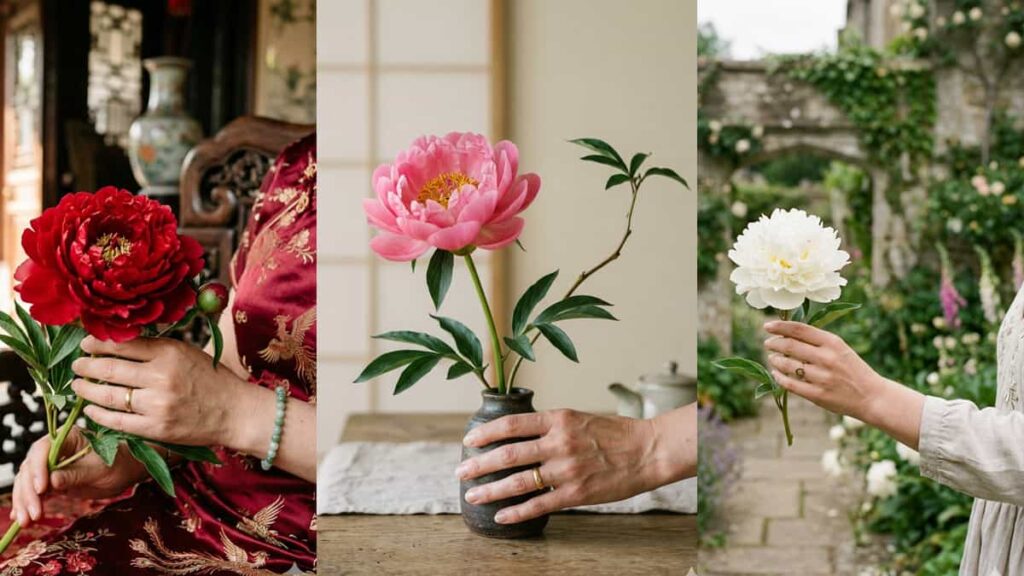
From the imperial courts of China to a cozy backyard in Ohio, the peony never goes out of style. It carries wealth and good fortune in one petal, romantic love in another, and courage in its bold stance. Whether you’re drawn to its lush petals, its rich history, or the simple joy it brings each spring, the peony connects us all.
It’s a flower that reminds us: beauty, honor, and prosperity aren’t just ancient ideals – they’re things we can grow, share, and celebrate, season after season. So next time you see a peony, pause. You’re looking at a legend in bloom.