
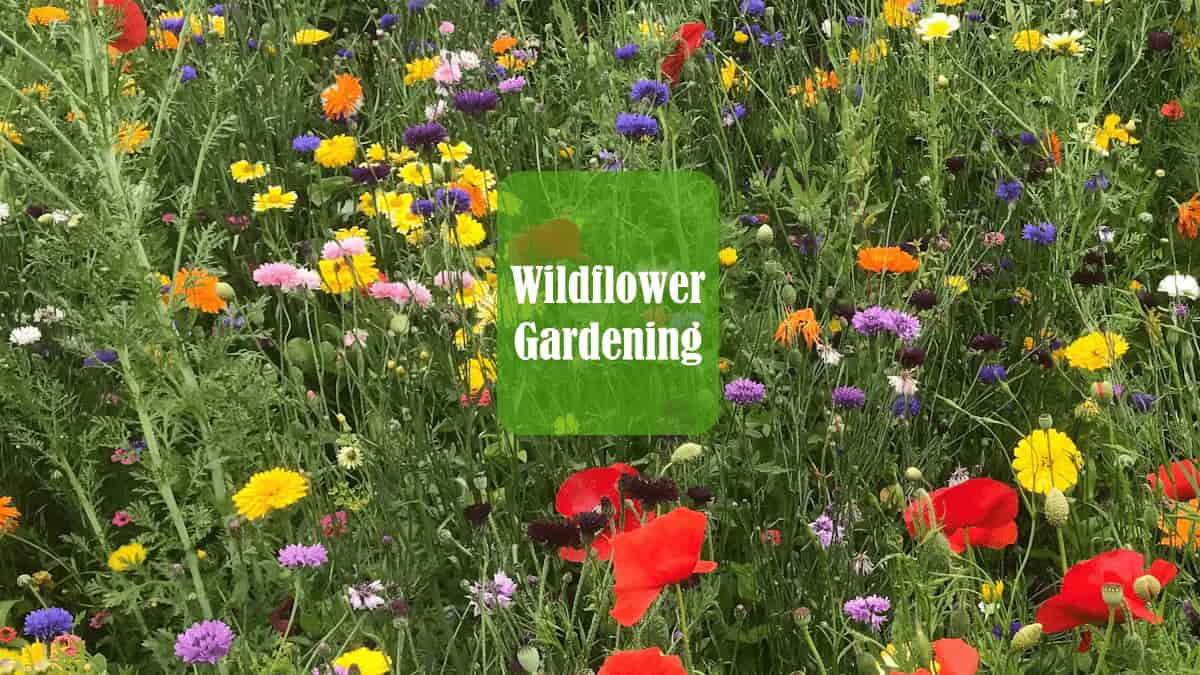
Creating a vibrant and flourishing wildflower garden can transform any outdoor space into a breathtaking display of natural beauty. In this guide, we delve into the essential steps and considerations necessary to establish a thriving wildflower garden that not only enhances your landscape but also supports local biodiversity.
Selecting the Ideal Location
Choosing the right location is important for the success of your wildflower garden. Opt for an area that receives ample sunlight, preferably at least six hours per day, as most wildflowers thrive in full sun conditions. Ensure the soil is well-drained and of good quality, as this will provide a healthy foundation for your plants.
Preparing the Soil
Before planting, prepare the soil to promote optimal growth. Begin by clearing the area of any existing vegetation and weeds. Loosen the soil to a depth of at least 6 inches to facilitate root development and improve water penetration. Incorporate organic matter such as compost to enrich the soil with essential nutrients.
Choosing the Right Wildflowers
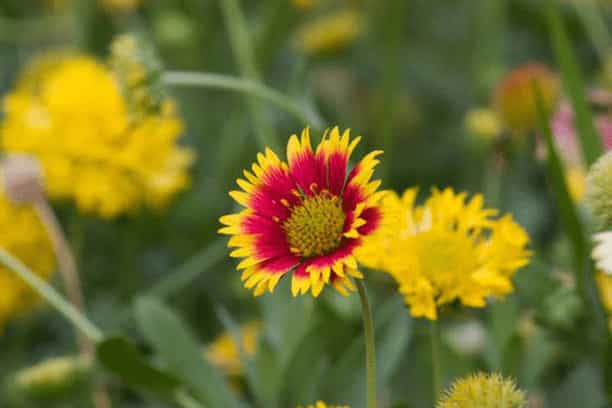
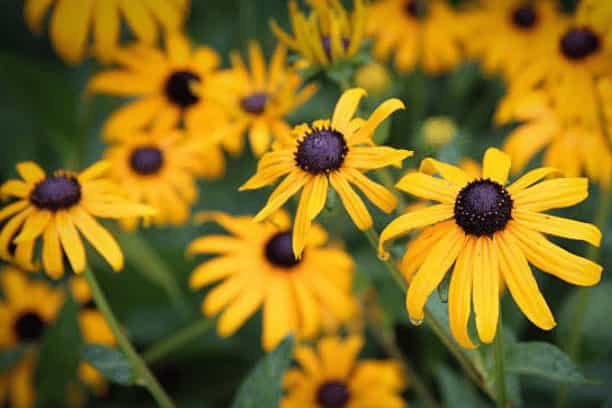
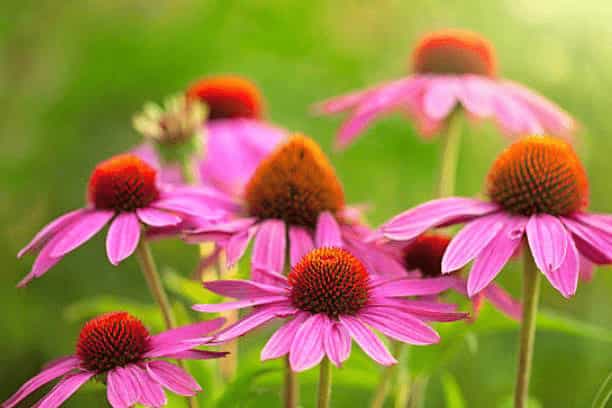
Selecting appropriate wildflowers is key to achieving a diverse and visually appealing garden. Consider native species that are well-adapted to your local climate and soil conditions. Popular choices include Black-eyed Susans (Rudbeckia hirta), Purple Coneflower (Echinacea purpurea), and Blanketflower (Gaillardia aristata). Choose a mix of annuals and perennials to ensure continuous blooms throughout the seasons.
Planting Techniques
When planting wildflowers, follow these techniques to maximize success:
- Seed Preparation: Mix seeds with sand for even distribution.
- Sowing: Broadcast seeds evenly over prepared soil.
- Watering: Gently water the area immediately after planting to settle the seeds.
- Mulching: Apply a thin layer of mulch to retain moisture and suppress weeds.
Maintenance Tips
Maintaining your wildflower garden ensures long-term vitality:
- Watering: Water regularly, especially during dry spells.
- Deadheading: Remove spent flowers to encourage new blooms.
- Weeding: Regularly remove weeds to prevent competition for resources.
- Fertilizing: Use a balanced fertilizer sparingly if soil nutrients are lacking.
Supporting Local Wildlife
Wildflower gardens attract pollinators such as bees, butterflies, and hummingbirds, contributing to local ecosystem health. By planting native species, you provide essential habitat and food sources for these beneficial creatures.
In conclusion, creating a stunning wildflower garden involves careful planning, proper preparation, and ongoing maintenance. By following the steps outlined in this guide, you can establish a flourishing garden that not only enhances your surroundings but also supports biodiversity. Start your wildflower garden journey today and enjoy the beauty of nature in your own backyard.
By implementing these strategies, you can effectively outrank competing articles on the topic of wildflower garden creation, positioning your content as a comprehensive and authoritative resource in the eyes of search engines.
Related Articles
Aluminum vs. Wood Raised Garden Beds: Picking the Perfect Fi…