
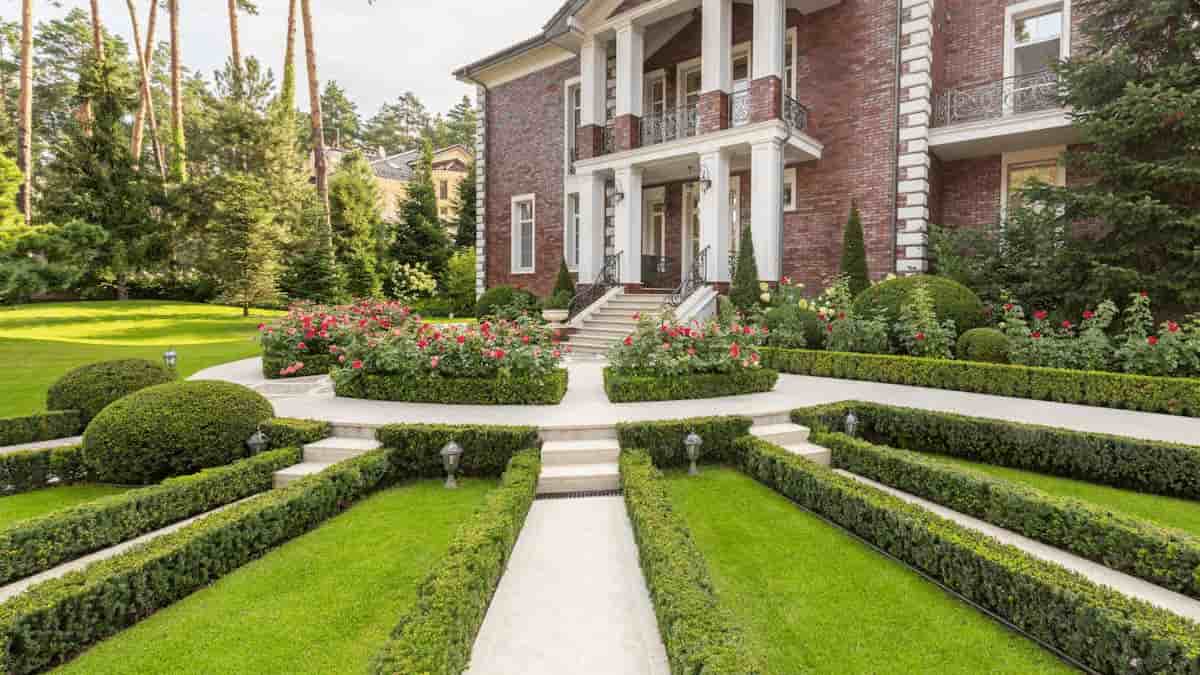
Effective landscape planning is important for creating aesthetically pleasing and functional outdoor spaces. Whether you’re designing a small backyard garden or a large commercial property, understanding the principles of landscape planning ensures harmonious and sustainable development.
Understanding Site Analysis
Before diving into design, conducting a thorough site analysis is essential. This involves assessing factors such as soil quality, drainage patterns, existing vegetation, and microclimates. A comprehensive site analysis lays the foundation for informed decision-making during the planning process.
Design Principles for Effective Landscaping

1. Unity and Harmony
Achieving unity in landscape design involves creating a cohesive visual theme that ties together various elements such as plants, hardscape features, and structures. Harmony ensures that all components complement each other, resulting in a balanced and attractive outdoor environment.
2. Balance and Proportion
Balance in landscape design can be achieved through symmetrical, asymmetrical, or radial arrangements of elements. Proportion refers to the size and scale of different components relative to each other and the overall space.
3. Transition and Focalization
Smooth transitions between different areas of the landscape enhance usability and visual appeal. Focal points draw attention and create interest, whether through a striking plant arrangement, water feature, or sculpture.
Practical Tips for Beginners
1. Start with a Clear Vision
Define your goals and priorities for the landscape. Consider factors such as functionality, aesthetics, maintenance requirements, and budget constraints.
2. Choose Appropriate Plants

Select plants based on climate suitability, maintenance needs, and desired aesthetic qualities. Consider factors such as seasonal interest, color schemes, and growth habits when designing plant compositions.
3. Incorporate Hardscape Elements Thoughtfully
Hardscape elements such as pathways, patios, and retaining walls should complement the natural environment. Choose materials that harmonize with the overall design and consider factors like durability and maintenance.
4. Embrace Sustainable Practices
Opt for native plants and drought-tolerant species to reduce water consumption and maintenance efforts. Incorporate rainwater harvesting systems and utilize organic mulches to improve soil health and reduce weed growth.
Summary
Effective landscape planning blends artistry with practicality to create outdoor spaces that are both beautiful and functional. By adhering to fundamental design principles and implementing thoughtful strategies, even beginners can achieve stunning results. Whether you’re aiming to enhance residential curb appeal or transform commercial landscapes, the key lies in meticulous planning and attention to detail.
Implementing these principles and tips ensures that your landscape not only meets aesthetic expectations but also enhances the overall quality and sustainability of the outdoor environment. By prioritizing site analysis, design principles, and practical tips, you can create landscapes that stand out for their beauty, functionality, and environmental stewardship.
| Keywords: land scaping, landscape design, garden design, backyard landscaping ideas, garden planning, backyard designs, |