What Are Herbaceous Peonies?
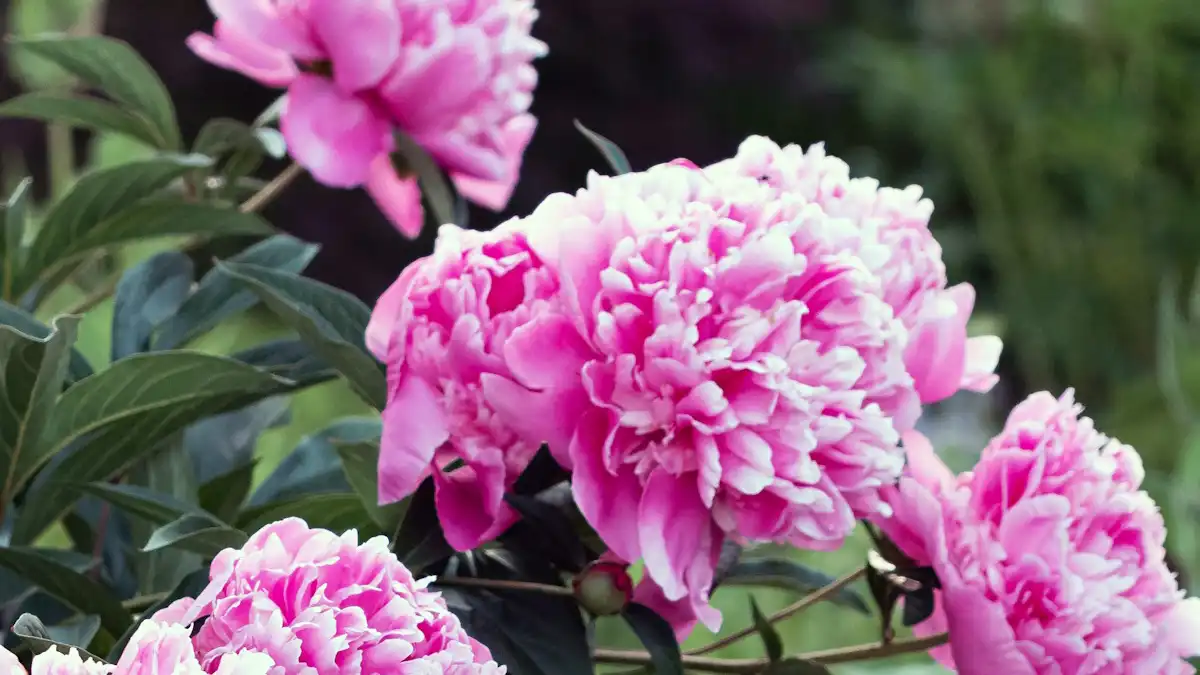
Herbaceous peonies (Paeonia lactiflora) are perennial flowering plants that die back to the ground each winter and return in spring. They are prized for their large, fragrant blooms, which come in a variety of colors, including pink, red, white, and yellow. Unlike tree peonies, which have woody stems, herbaceous peonies have soft, green stems that regrow annually.
Climate Requirements for Herbaceous Peonies
Herbaceous peonies thrive best in temperate climates with cold winters and warm summers. They require a chilling period of at least 500-1,000 hours of temperatures below 40°F (4°C) to promote proper bud formation. Ideal USDA hardiness zones for herbaceous peonies are 3 to 8.
- Sunlight: At least 6 hours of direct sunlight per day.
- Soil: Well-drained, fertile soil with a pH of 6.5 to 7.5.
- Watering: Moderate watering; they prefer moist but not waterlogged soil.
How to Grow Herbaceous Peonies
1. Planting Herbaceous Peonies
- When to Plant: The best time to plant herbaceous peonies is in fall (September to November), allowing roots to establish before winter.
- How to Plant:
- Choose a sunny location with well-drained soil.
- Dig a hole about 12-18 inches deep and wide.
- Place the peony root (tuber) with the eyes 1-2 inches below the soil surface.
- Fill with soil, water thoroughly, and mulch lightly.
2. Fertilizing Herbaceous Peonies
- Apply a balanced fertilizer (10-10-10 or 5-10-10) in early spring when new shoots appear.
- Avoid high-nitrogen fertilizers, as they promote foliage growth over flowering.
- A top dressing of compost or well-rotted manure in fall can improve soil fertility.
3. Watering Requirements
- Deep watering once a week is ideal, especially during dry spells.
- Avoid overhead watering to prevent fungal diseases.
4. Mulching and Protection
- Apply a 2-inch layer of organic mulch around the base in spring to retain moisture and suppress weeds.
- In winter, add extra mulch to protect roots in colder zones.
5. Staking and Support
- Peonies have heavy blooms, and some varieties may require staking or plant supports to prevent stems from bending.
How to Propagate Herbaceous Peonies
Dividing Peonies
The best way to propagate herbaceous peonies is by division:
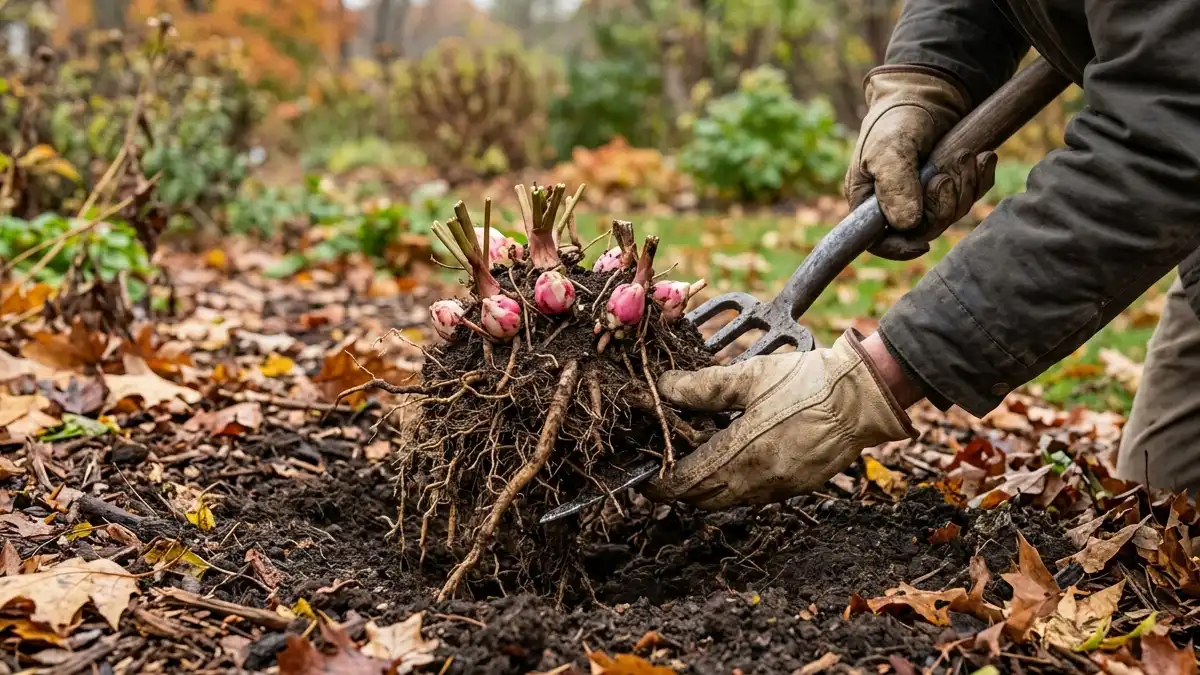
- Dig up the peony plant in fall.
- Cut the root clump into sections, ensuring each has 3-5 eyes.
- Replant in a prepared hole and water well.
Growing from Seeds
- Peonies can be grown from seeds, but it takes several years to bloom.
- Sow fresh seeds in fall, and expect germination in 2-3 years.
When to Cut Back Herbaceous Peonies
- Cut back peony foliage after the first frost in late fall.
- Remove all dead stems and leaves to prevent disease.
How Tall Do Herbaceous Peonies Grow?
Most herbaceous peonies grow between 2 to 4 feet tall with a spread of 2 to 3 feet.
How to Transplant Herbaceous Peonies
- The best time to transplant peonies is in fall (September-October).
- Dig up the entire root ball, keeping as many roots intact as possible.
- Replant in a sunny location with good drainage.
When to Plant Herbaceous Peonies?
- Fall is the best time (September to November) for planting peonies, allowing them to establish roots before winter.
- Spring planting is possible but may delay flowering.
Difference Between Tree and Herbaceous Peonies
| Feature | Herbaceous Peonies | Tree Peonies |
|---|---|---|
| Stems | Soft, green, die back in winter | Woody stems, remain year-round |
| Growth Habit | Grows back annually from roots | Slow-growing shrub |
| Flowers | Large, often fragrant, upright blooms | Large, delicate, sometimes drooping flowers |
| Size | 2-4 feet tall | 3-5 feet tall |
Common Problems and Solutions
1. Peonies Not Blooming
- Planted too deep? Adjust the depth so the eyes are just 1-2 inches below the surface.
- Too much nitrogen? Reduce fertilization and use a balanced low-nitrogen fertilizer.
- Too much shade? Ensure peonies get at least 6 hours of direct sunlight daily.
2. Powdery Mildew and Fungal Diseases
- Provide good air circulation by spacing plants properly.
- Apply a fungicide if mildew appears.
- Water at the base to avoid wet foliage.
3. Ants on Peonies
- Myth: Ants are necessary for peony blooms.
- Truth: Ants are attracted to nectar, but they do not affect blooming.
- Solution: Simply wash off ants before bringing flowers indoors.
Final Thoughts
Herbaceous peonies are low-maintenance, long-lived perennials that reward gardeners with stunning blooms year after year. By choosing the right location, providing proper care, and understanding their growth cycle, you can enjoy these breathtaking flowers for decades.