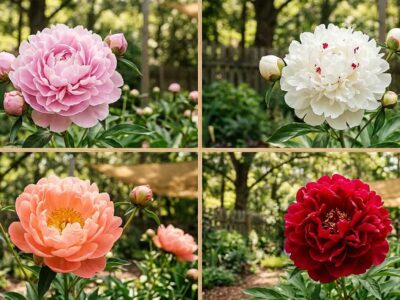
Peonies are famous for their large, beautiful flowers and sweet fragrance. They come in a variety of types, each with unique characteristics. The two main categories are herbaceous peonies and tree peonies. Herbaceous peonies die back to the ground in winter, while tree peonies have woody stems that stay year-round.
General Information
Mature Size: Most peonies grow to about 2-4 feet tall and wide, though some varieties can be smaller or larger.
Sun Exposure: Peonies love the sun, so plant them in a spot where they get at least 6 hours of direct sunlight each day.
Soil Type: Peonies prefer well-draining soil that’s rich in organic matter. If you have clay soil, make sure to improve drainage by adding compost.
Soil pH: Peonies thrive in slightly acidic to neutral soil with a pH of 6.5 to 7.
Bloom Time: Peonies typically bloom in late spring to early summer, around May to June, depending on the climate. Some varieties may bloom earlier or later.
Flower Color: Peonies come in a variety of colors like white, pink, red, and yellow. Some have soft pastels, while others have rich, deep hues.
Native Area: Peonies are native to Europe, China, and North America. The common garden peony, Paeonia lactiflora, is especially associated with China.
Toxicity: Peonies are non-toxic to humans and pets, though they are not typically eaten. However, some parts of the plant can cause mild stomach upset if ingested.
Popular Varieties
1. Herbaceous Peonies

Herbaceous Peonies (Paeonia lactiflora): Known for their lush blooms, large, showy and fragrant flowers. They die back to the ground in winter and regrow in spring.
- Popular Varieties:
- Sarah Bernhardt (pink, fragrant)
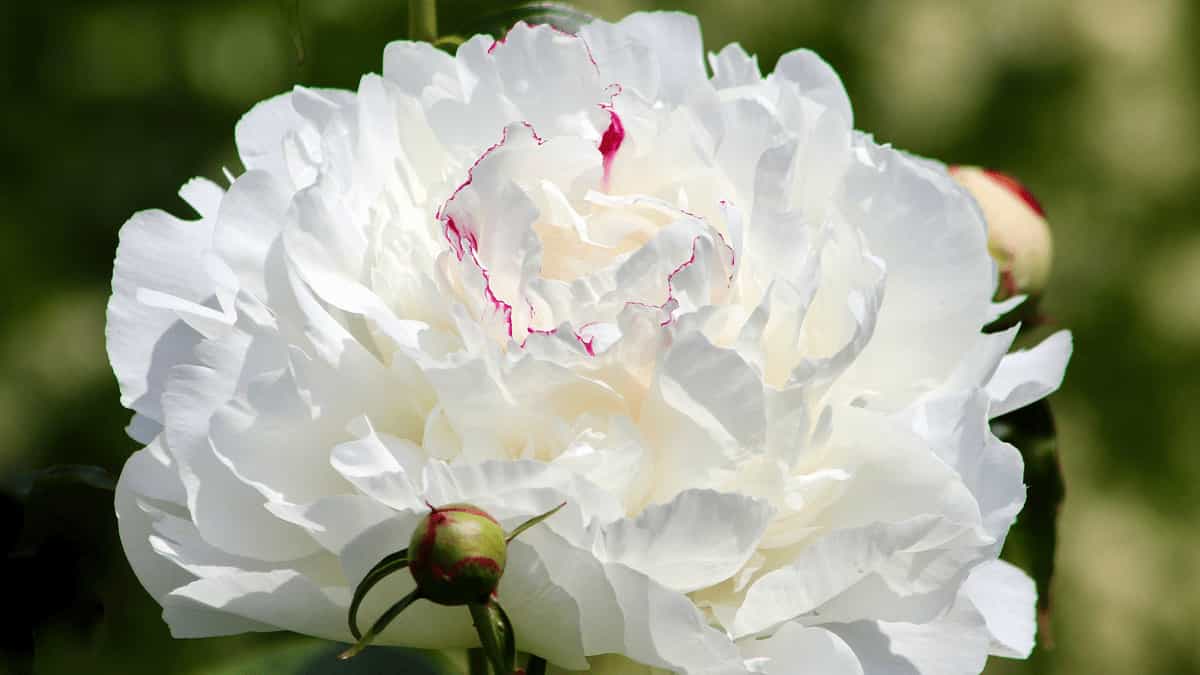
- Festiva Maxima (white with red flecks)
- Bloom Time: Late spring to early summer.
- Care Tips: Require full sun and well-draining soil.
2. Tree Peonies

Tree Peonies (Paeonia suffruticosa): Woody shrubs that retain their structure year-round. Their blooms are larger and more delicate compared to herbaceous peonies.
- Popular Varieties:
- Kamata-nishiki (purple)
- Yachiyo-tsubaki (pink)
- Bloom Time: Mid to late spring.
- Care Tips: Prefer partial shade and protection from strong winds.
3. Itoh Peonies (Intersectional Peonies)

Itoh Peonies:Hybrids of herbaceous and tree peonies, combining the best traits of both. Known for their sturdy stems and extended bloom period.
- Popular Varieties:
- Bartzella (yellow)
- Cora Louise (white with lavender centers)
- Bloom Time: Late spring to early summer.
- Care Tips: Thrive in full sun and are disease-resistant.
4. Japanese Peonies

Distinguished by their single or semi-double flowers with a cluster of brightly colored stamens in the center.
- Popular Varieties:
- Mikado (red)
- Kirinmaru (pink)
- Bloom Time: Late spring.
- Care Tips: Require minimal maintenance and adapt well to most garden settings.
5. Wild Peonies
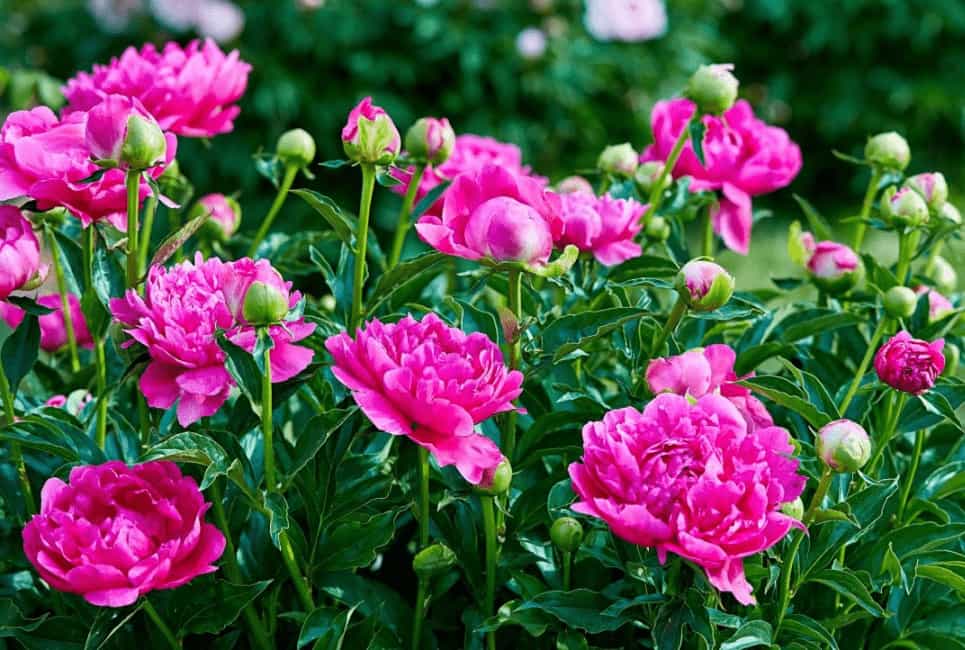
Rare and less commonly grown, these species peonies have a natural, understated charm.
- Examples:
- Paeonia tenuifolia (Fernleaf Peony – red blooms with feathery foliage)
- Paeonia lactiflora (ancestor of many cultivated varieties)
- Bloom Time: Early spring.
- Care Tips: Best suited for naturalistic gardens.
How to Grow Peonies From Seeds
Seed Collection and Preparation
Collect seeds from mature peony plants in late summer. Soak seeds in warm water for 24 hours to soften the seed coat. Stratify seeds by alternating warm (60°F) and cold (40°F) temperatures for 12 weeks each to mimic natural conditions.
Planting Process
- Choose a well-draining, fertile soil.
- Plant seeds 1 inch deep and space them 2-3 inches apart.
- Cover with soil and water lightly.
- Place the pots outdoors in a protected area to allow natural germination.
Care During Germination
Keep soil consistently moist but not waterlogged. Germination may take 1-2 years; patience is crucial.
Growing and Caring for Peonies in Various Climates
– Cold Climates
Challenges: Frost heaving and harsh winters.
Solutions: Mulch around plants to protect roots. Choose hardy varieties such as Paeonia officinalis.
– Hot Climates
Challenges: Excessive heat and dry conditions.
Solutions: Provide afternoon shade and ensure deep watering to keep roots cool.
– Tropical Climates
Challenges: High humidity and lack of dormancy.
Solutions: Plant in cooler microclimates and opt for Itoh hybrids that tolerate milder winters.
– Humid Climates
Challenges: Fungal diseases.
Solutions: Ensure proper air circulation and apply fungicide during wet seasons.
– Desert Climates
Challenges: Arid conditions and intense sunlight.
Solutions: Provide partial shade during peak sun hours and mulch to retain soil moisture.
Peony Care: Pruning, Propagating, Potting, and Repotting
Pruning
Cut back foliage in late fall after the first frost. Remove spent blooms to encourage root development.
Propagation
Best done through division in the fall. Dig up mature plants and carefully separate root clumps. Replant divisions immediately in prepared soil.
Potting and Repotting
Use a large, well-draining pot for container-grown peonies. Repot every 2-3 years to refresh the soil and check root health.
Planting and Transplanting Peonies
Planting Tips
Plant in early fall to allow roots to establish before winter. Ensure the crown is no more than 2 inches below the soil surface.
Transplanting Tips
Transplant during dormancy (fall). Water thoroughly after transplanting to minimize shock.
Common Problems With Peonies
Fungal Diseases
Botrytis Blight: Causes wilting and gray mold. Prevent with proper spacing and fungicides.
Powdery Mildew: Characterized by white powdery growth. Treat with sulfur-based sprays.
Environmental Issues
Poor blooming due to inadequate sunlight or planting too deep.
Pests and Plant Diseases
Common Pests
Aphids: Cause distorted leaves. Control with neem oil or insecticidal soap.
Thrips: Damage flower buds. Use sticky traps or systemic insecticides.
Plant Diseases
Phytophthora Blight: Causes blackened stems. Remove affected parts and improve drainage.
How to Get Peonies to Bloom
Key Tips
- Ensure plants receive 6-8 hours of sunlight daily.
- Avoid excessive nitrogen fertilizers, which promote foliage over flowers.
- Deadhead spent blooms promptly to direct energy to roots.
- Maintain consistent moisture levels, especially during blooming season.
References:
- The Royal Horticultural Society (RHS) – Peony Care Guide: Provides detailed guidance on growing and caring for peonies, including tips on planting, pruning, and varieties.
- Missouri Botanical Garden – Peony Growing and Care Information: Offers insights into the types of peonies, their growing conditions, and the best practices for planting and care.
- University of Illinois Extension – Peony Planting and Care: Offers comprehensive information about the planting and care of peonies, including how to address common issues like pests and diseases.