

Raised Garden beds are a popular gardening method that offers numerous benefits over traditional gardening directly in the ground. They consist of contained soil beds raised above ground level, providing better control over soil quality, drainage, and ease of access for planting and maintenance.
What are Raised Beds?
Raised beds are defined gardening areas that are elevated above the ground level, often framed with materials like wood or aluminum. They are filled with enriched soil and offer improved drainage and soil temperature regulation compared to ground-level planting.
Benefits of Using Raised Beds
1. Improved Soil Quality
Raised beds allow gardeners to fill with nutrient-rich soil, providing optimal conditions for plant growth.
2. Better Drainage
The elevated design of raised beds ensures excess water drains more efficiently, preventing waterlogging and root rot.
3. Weed and Pest Control
By containing the garden space, raised beds make it easier to manage weeds and prevent pests from accessing plants.
4. Extended Growing Season
Raised beds warm up faster in spring, enabling earlier planting, and maintain warmer soil temperatures in fall, extending the growing season.
Planning Your Raised Bed Garden
Choosing the Right Location
Select a spot that receives ample Sunlight☀️ (at least 6-8 hours daily) and has good drainage. Avoid low-lying areas prone to waterlogging.

Selecting the Ideal Size and Shape
Consider accessibility—ensure beds are no wider than 4 feet (1.22 m) for easy reach from both sides. The length can vary based on available space but aim for a practical size for maintenance.
Materials Needed for Construction
Wood Raised Beds

Pros:
- Natural look blends well with gardens.
- Easy to customize dimensions.
- Good insulation for plant roots.
Cons:
- Requires maintenance against rotting.
- Initial higher cost compared to other materials.
Aluminum Raised Beds
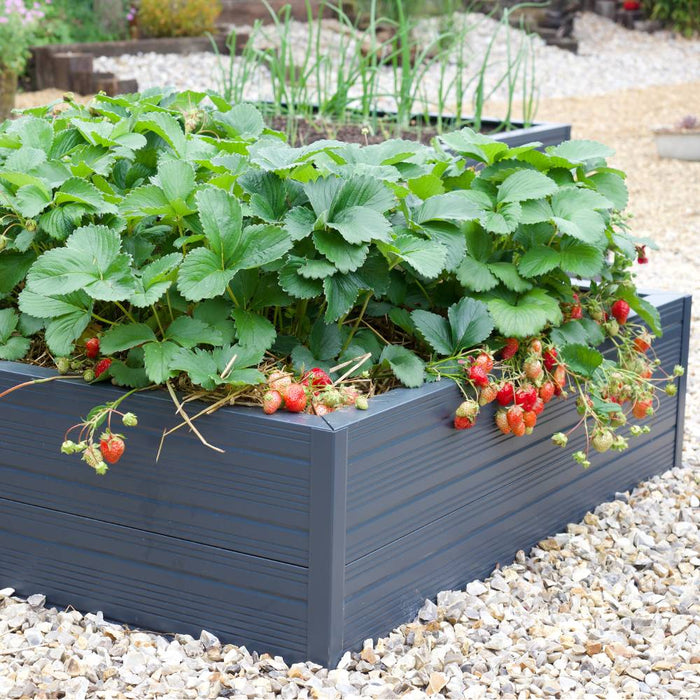
Pros:
- Lightweight and durable.
- Resistant to weather and pests.
- Long lifespan without maintenance.
Cons:
- In areas near the Beds border, the soil can heat up slightly more under direct sunlight.
- Fixed in size. You can’t customize it..
Step-by-Step Guide to Building Raised Beds
1. Preparing the Ground
Clear the chosen area of grass and weeds. Level the ground if necessary.
2. Assembling the Bed Frames
Construct the frames using your chosen material (wood or aluminum), ensuring corners are square and the structure is sturdy.
3. Filling the Beds with Soil
Use a mix of garden soil, compost, and organic matter to fill the beds, ensuring good nutrient content and drainage.
4. Adding Supports or Trellises (Optional)
Install supports or trellises for climbing plants like tomatoes or cucumbers, maximizing vertical space utilization.
Best Practices for Timing Your Planting
Understanding Seasonal Planting Cycles
Different plants thrive in different seasons—plan your planting schedule accordingly for optimal growth and yield.
Planting Schedule for Different Crops
Refer to local gardening guides or seed packets for specific planting dates and spacing requirements.
Tending Your Raised Beds
Watering Techniques and Schedule
Water deeply and evenly, ensuring the soil is consistently moist but not waterlogged.
Mulching for Moisture Retention
Apply mulch around plants to retain soil moisture, suppress weeds, and regulate soil temperature.
Pest Control and Disease Prevention
Regularly inspect plants for pests and diseases. Use organic pest control methods when possible to minimize environmental impact.
Maximizing Productivity with Raised Beds

Companion Planting Strategies
Plant compatible species together to maximize space usage, enhance soil fertility, and deter pests.
Crop Rotation Tips
Rotate crops annually to prevent nutrient depletion and reduce pest buildup.
Soil Amendments for Nutrient-Rich Harvests
Periodically add compost or organic fertilizers to replenish soil nutrients and maintain fertility.
Sustainability and Raised Beds
Environmental Impact Comparison
Raised beds generally require less water and fertilizer compared to traditional gardening methods, making them more environmentally friendly.
Longevity and Maintenance Considerations
Wooden beds may require periodic resealing or replacement, while aluminum beds offer durability with minimal maintenance.
Final Thoughts
Raised beds are an excellent choice for both novice and experienced gardeners looking to optimize their gardening space and improve plant health and productivity. By following these guidelines, you can create and maintain raised beds that provide bountiful harvests season after season.
FAQs About Raised Beds
What vegetables grow best in raised beds?
A wide variety of vegetables thrive in raised beds, including tomatoes, peppers, lettuce, carrots, and herbs.
How deep should a raised bed be?
Ideally, raised beds should be at least 6-12 inches deep to accommodate plant roots and provide adequate soil volume.
Can I place a raised bed on grass?
Yes, you can place a raised bed on grass after ensuring the ground is level and the grass is adequately suppressed or removed.
Do raised beds need drainage?
Yes, proper drainage is essential for raised beds to prevent waterlogging and ensure healthy root growth.
How long do raised beds last?
The lifespan of raised beds varies based on material and maintenance but can last upwards of 10-20 years with proper care.
This comprehensive guide to building and planting raised beds provides everything you need to know to start your own successful raised bed garden. By following these steps and tips, you can enjoy a productive and thriving garden space year-round.