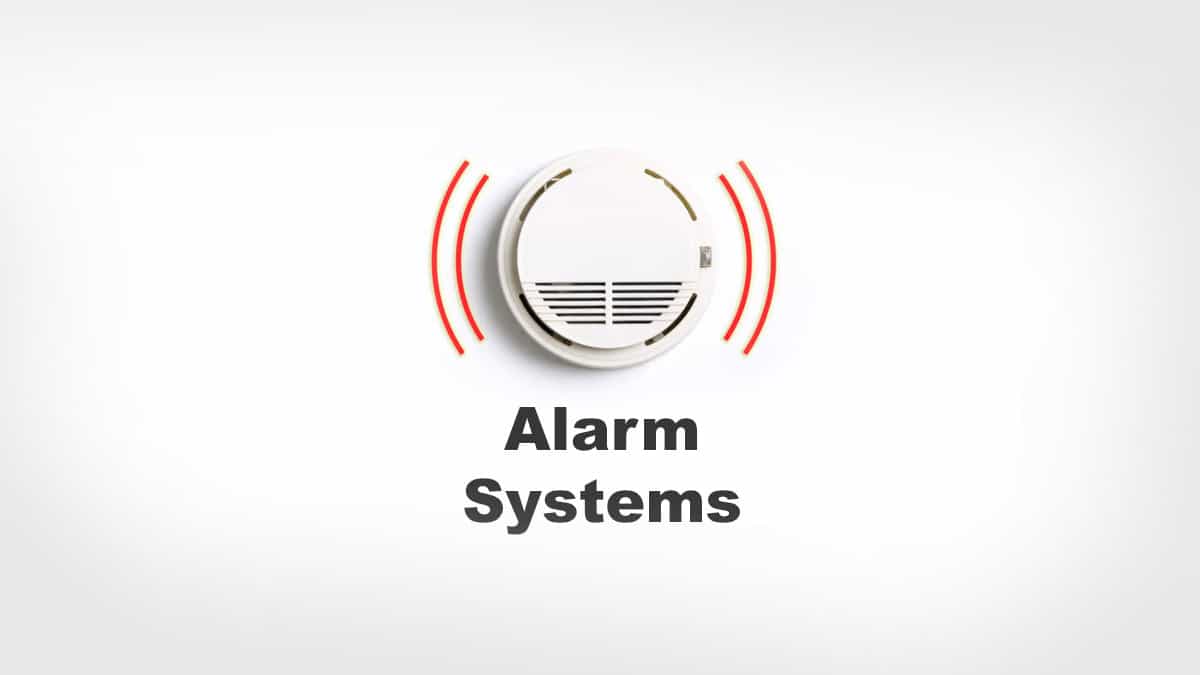
When it comes to protecting your home and family, selecting the right alarm system is crucial. This comprehensive guide delves into the various types of alarm systems available and provides detailed insights to help you make an informed decision.
Types of Alarm Systems
By Connection
1. Wired Alarm Systems
Wired alarm systems are reliable and tamper-proof, using hardwired connections between sensors and the control panel. Installation can be complex and might require drilling.
2. Wireless Alarm Systems
Wireless alarm systems are easy to install and ideal for renters or those who prefer not to deal with wires. They rely on batteries that need occasional replacement.
By Monitoring
1. Monitored Alarm Systems
Monitored systems connect to a central monitoring station that dispatches emergency services when an alarm is triggered. They offer the highest level of security but come with a monthly fee.
2. Unmonitored Alarm Systems
Unmonitored systems sound a local alarm when triggered. They are cheaper but rely on someone nearby hearing the alarm to take action.
By Function
1. Fire Alarm Systems
Fire alarm systems detect smoke or heat and trigger an alarm to warn occupants of a potential fire.
2. Security Alarm Systems
Security alarm systems protect against unauthorized entry with door and window sensors, motion detectors, and other security measures.
Alarm Systems by Functions and Features
1. Burglar Alarms
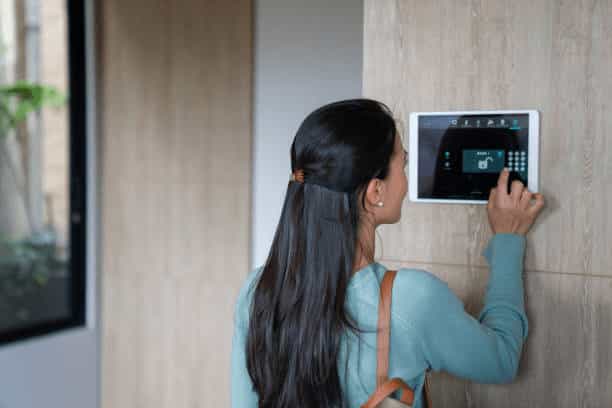
Burglar alarms are designed to detect unauthorized entry into a building or area. These systems typically include sensors on doors and windows, motion detectors, and a control panel to manage the system.
Features:
- Door and Window Sensors: Detect when a door or window is opened.
- Motion Detectors: Identify movement within a specific area.
- Control Panels: Central hub for managing the system, often with a keypad or touchscreen.
- Audible Alarms: Loud sounds to deter intruders and alert occupants.
2. Fire Alarms
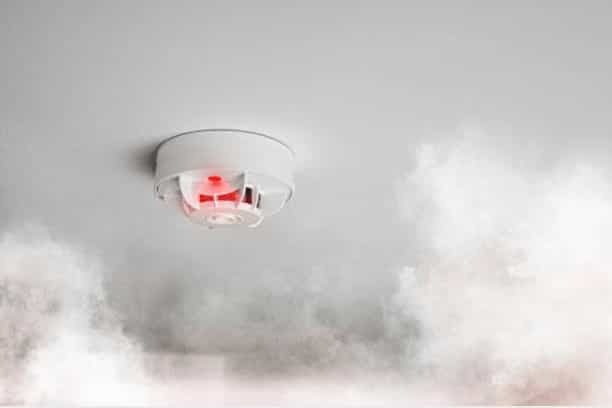
Fire alarms are essential for early detection of fires, providing critical time to evacuate and contact emergency services. These systems typically include smoke detectors, heat detectors, and manual call points.
Features:
- Smoke Detectors: Detect smoke particles in the air.
- Heat Detectors: Sense rapid increases in temperature.
- Manual Call Points: Allow manual activation of the alarm.
- Audible and Visual Alerts: Loud alarms and flashing lights to alert occupants.
3. Carbon Monoxide Alarms
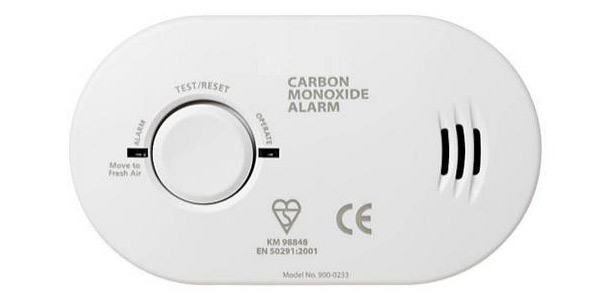
Carbon monoxide (CO) alarms detect the presence of CO gas, which is colorless and odorless but highly toxic. These alarms are important for homes with fuel-burning appliances.
Features:
- Electrochemical Sensors: Measure CO levels in the air.
- Digital Displays: Show CO concentration levels.
- Battery Backup: Ensures functionality during power outages.
- Audible Alarms: High-pitched sounds to alert occupants.
4. Smart Home Security Systems
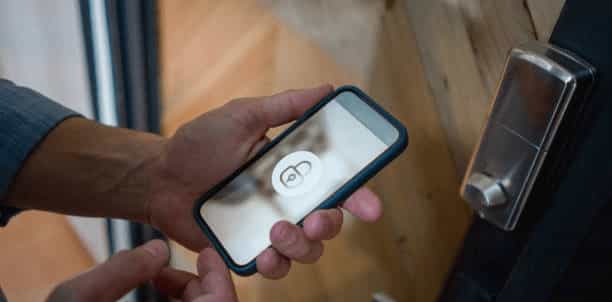
Smart home security systems integrate various sensors and devices, offering remote monitoring and control through smartphones or other devices. These systems can include burglar alarms, fire alarms, CO alarms, and more.
Features:
- Remote Monitoring: Access and control the system via mobile apps.
- Integration with Smart Devices: Connects with other smart home devices like cameras, lights, and locks.
- Automated Alerts: Sends notifications for any suspicious activity or system status changes.
- Voice Control: Compatibility with voice assistants like Alexa and Google Assistant.
5. Monitored vs. Unmonitored Systems
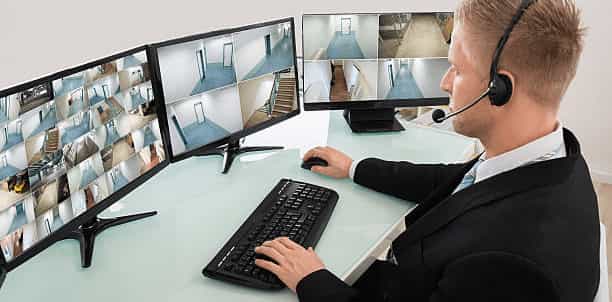
Monitored Systems:
- Professional Monitoring: A security company monitors the system 24/7.
- Emergency Response: Immediate contact with emergency services if an alarm is triggered.
- Monthly Fees: Typically involves a subscription fee.
Unmonitored Systems:
- Self-Monitoring: Homeowner is responsible for responding to alerts.
- No Monthly Fees: No ongoing costs beyond the initial setup.
- DIY Installation: Often easier to install and configure.
Choosing the Right Alarm System
1. Assess Your Needs
Evaluate your home’s specific security requirements. Consider factors such as the size of your home, the number of entry points, and any specific risks (e.g., fire hazards, CO risks).
2. Consider Your Budget
Determine your budget for both the initial setup and ongoing costs. Monitored systems have higher long-term costs due to subscription fees, while unmonitored systems have lower costs but require more active involvement.
3. Research and Compare Options
Look for reputable brands and read customer reviews. Compare features, pricing, and the reliability of different systems. Consider seeking recommendations from friends or family who have similar systems.
4. Professional Installation vs. DIY
Decide whether you prefer professional installation or a DIY approach. Professional installation ensures proper setup and functionality, while DIY installation offers more flexibility and potential cost savings.
5. Check for Smart Home Compatibility
If you have a smart home setup or plan to implement one, ensure the alarm system you choose is compatible with your existing devices. Integration with smart home systems can enhance convenience and control.
Selecting the right alarm system for your home is a critical decision that involves assessing your specific needs, budget, and preferences. By understanding the various types of alarm systems and their features, you can make an informed choice to ensure the safety and security of your home and loved ones.