Insulation is an important component in maintaining energy efficiency, comfort, and cost-effectiveness in your home. Proper insulation can significantly reduce energy bills by keeping your home warm in the winter
and cool in the summer. In this guide, we will explore the importance of insulation, different types available, and how to choose the right type for your needs.
The Importance of Insulation
– Energy Efficiency
Insulation acts as a barrier to heat flow, reducing the amount of heat that escapes in the winter and enters the summer. This means your heating and cooling systems don’t have to work as hard, resulting in lower energy consumption and
reduced utility bills.
– Comfort
A well-insulated home maintains a consistent temperature throughout the year, providing a comfortable living environment. It also helps to reduce noise from outside, contributing to a quieter home.
– Cost Savings
Although the initial cost of insulation can be significant, the long-term savings on energy bills can outweigh the upfront expense. Proper insulation can also increase the value of your home, making it a worthwhile investment.
Types of Insulation
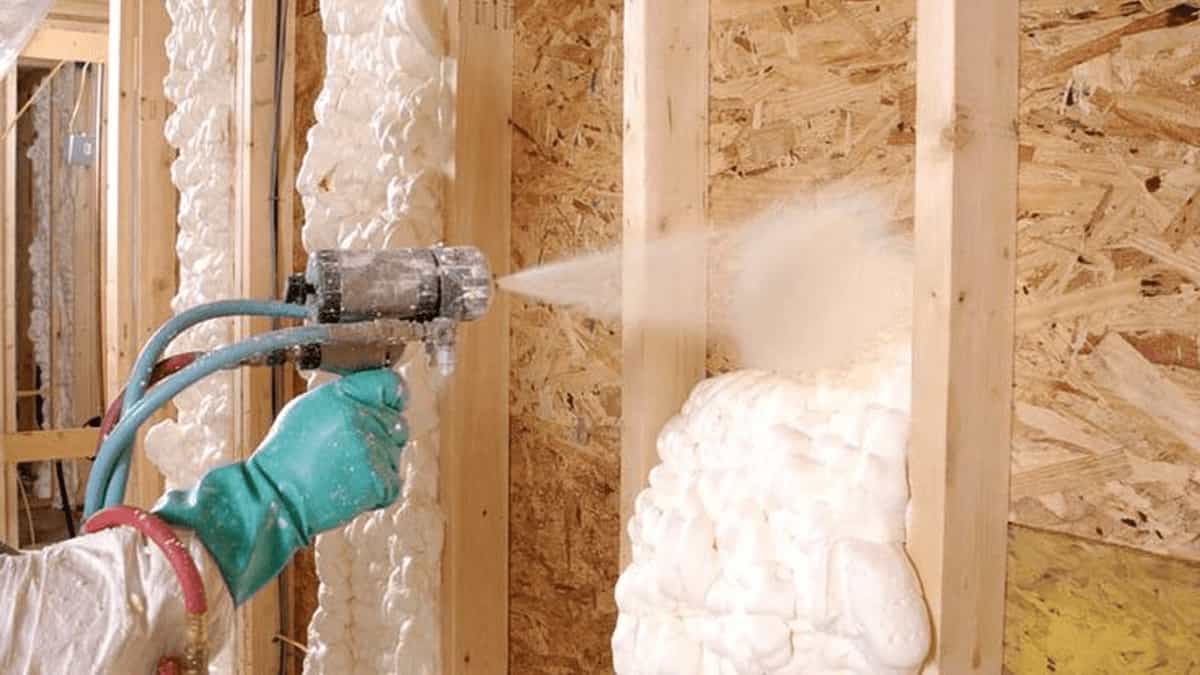
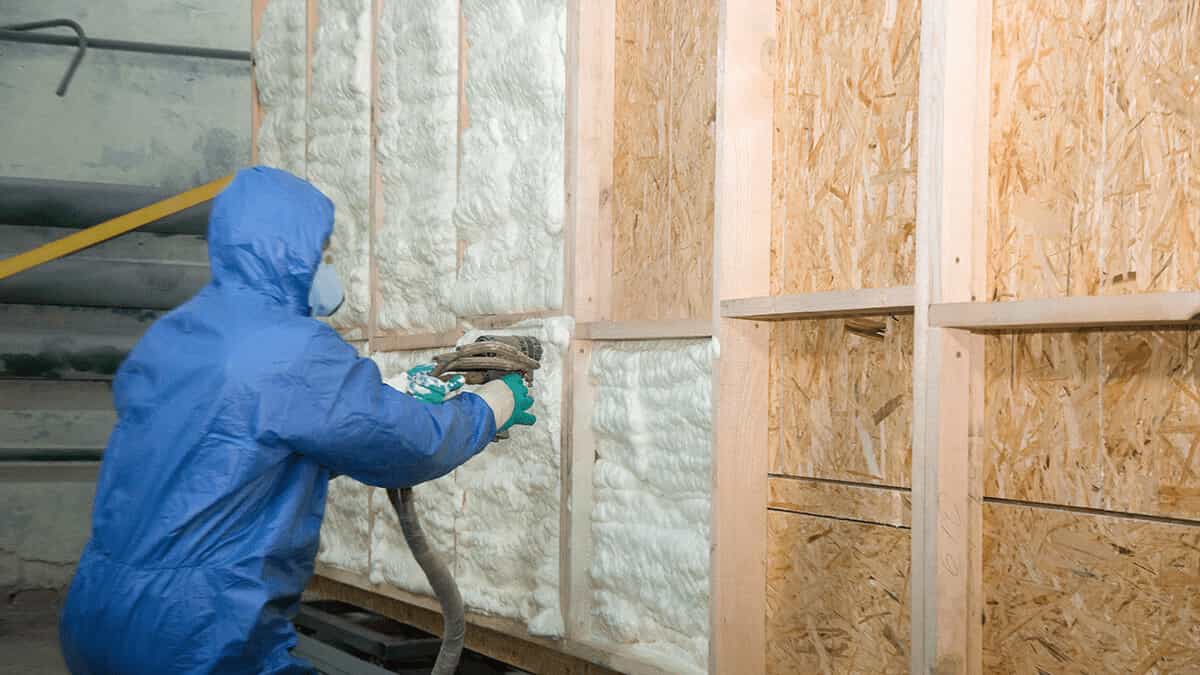
1. Spray Foam Insulation

Spray foam insulation is a versatile and effective option that can be used in various areas of the home. It expands to fill gaps and cracks, providing an airtight seal. A liquid polyurethane or isocyanate spray that expands into foam upon application, sealing gaps and cracks.
Pros:
- Excellent air sealing and moisture resistance.
- High R-value per inch.
- Suitable for irregular spaces.
Cons:
- Expensive upfront cost.
- Requires professional installation.
- Can off-gas harmful chemicals if improperly cured.
2. Foam Board Insulation

Foam board insulation consists of rigid panels of insulation that can be used in walls, roofs, and floors. It is available in various thicknesses and materials, such as polystyrene,
polyisocyanurate, and polyurethane.
Pros:
- High insulating value with a thin profile.
- Resistant to moisture and mold.
- Durable and long-lasting.
Cons:
- More expensive than fiberglass.
- Can degrade when exposed to UV light if not covered.
- Installation may require specialized adhesives or fasteners.
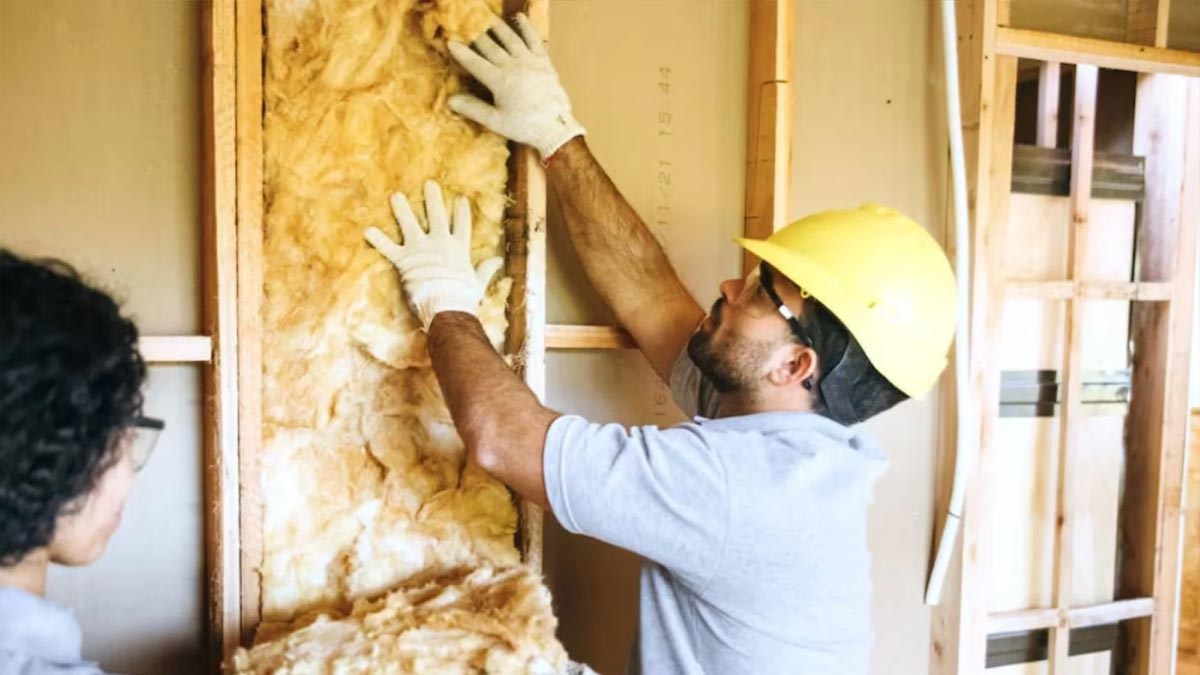
3. Fiberglass Insulation

Fiberglass insulation is one of the most common types and is available in batts, rolls, and loose-fill forms. It is made from tiny glass fibers and is often used in walls, attics, and floors.
Pros:
- Affordable and widely available.
- Non-flammable and resistant to moisture damage.
- Good thermal performance (R-value).
Cons:
- Requires protective gear during installation due to skin irritation risk.
- Can lose effectiveness if compressed.
- Susceptible to mold if exposed to moisture over time.
4. Cellulose Insulation

Cellulose insulation is made from recycled paper products and treated with fire retardants. It is typically used in attics and wall cavities.
Pros:
- Eco-friendly and made from recycled materials.
- Effective at reducing air leaks.
- Affordable and widely available.
Cons:
- Can settle over time, reducing effectiveness.
- Susceptible to moisture damage and mold growth.
- May require professional installation.
5. Rock Wool (Mineral Wool) Insulation

Made from volcanic rock or industrial slag, it is available in batts or loose-fill form.
Pros:
- Fire-resistant and non-combustible.
- Excellent soundproofing qualities.
- Does not settle or compress over time.
Cons:
- More expensive than fiberglass.
- Can irritate skin during installation.
- Limited availability compared to other types.
6. Reflective or Radiant Barrier Insulation

Consists of reflective materials like aluminum foil backed by other substrates to reflect radiant heat.
Pros:
- Ideal for warm climates to reduce heat gain.
- Lightweight and easy to install.
- Increases energy efficiency when combined with other insulation types.
Cons:
- Not effective in cold climates.
- Provides little to no R-value.
- Susceptible to dust buildup, which reduces effectiveness.
7. Rigid Foam Insulation

Similar to foam board but often used for high-performance insulation in specific areas like basement walls.
Pros:
- High compressive strength.
- Provides excellent thermal resistance.
- Effective in preventing moisture and air leaks.
Cons:
- More expensive than traditional insulation.
- Can be challenging to cut and fit into tight spaces.
- Requires protective covering for UV protection.
8. Loose-Fill Insulation

Consists of small particles of fiberglass, cellulose, or mineral wool blown into walls or attics.
Pros:
- Good for filling irregular or hard-to-reach spaces.
- Reduces air leaks effectively.
- Eco-friendly if made from recycled materials.
Cons:
- Can settle over time, requiring reapplication.
- Requires special equipment for installation.
- May be less effective in damp conditions.
9. Natural Fiber Insulation

Includes materials like cotton, sheep wool, and hemp.
Pros:
- Eco-friendly and sustainable.
- Non-toxic and safe to handle.
- Provides good soundproofing.
Cons:
- Expensive compared to synthetic options.
- May require chemical treatments for fire resistance.
- Susceptible to pests and moisture without proper treatment.
10. Polystyrene Insulation (EPS and XPS)

Description: Expanded polystyrene (EPS) and extruded polystyrene (XPS) are lightweight foam products used for insulation.
Pros:
- High moisture resistance, especially XPS.
- Excellent compressive strength for structural applications.
- High R-value per inch.
Cons:
- Can be flammable without fire retardants.
- Higher cost compared to fiberglass and cellulose.
- Not environmentally friendly.
How to Choose the Right Type of Insulation
Assess Your Needs
Evaluate the specific needs of your home. Consider factors such as climate, the age of the house, existing insulation, and areas that need improvement.
Determine R-Value Requirements
The R-value measures the insulation’s ability to resist heat flow. Higher R-values indicate better insulating properties. Check local building codes and recommendations for the required R-value in your area.
Consider Installation Area
Different types of insulation are better suited for specific areas of the home. For example, spray foam is excellent for sealing gaps and cracks, while fiberglass batts are ideal for standard wall cavities.
Budget
Your budget will play a significant role in determining the type of insulation you choose. While some options like spray foam and foam board may be more expensive, they offer higher efficiency and long-term savings.
Professional vs. DIY Installation
Some insulation types, such as spray foam and cellulose, require professional installation. Others, like fiberglass batts and foam board, can be installed by homeowners. Consider the complexity of the project and whether you are
comfortable doing it yourself.
Final Thoughts
Choosing the right insulation is essential for enhancing your home’s energy efficiency, comfort, and value. By understanding the different types of insulation and their benefits, you can make an informed decision that meets your
specific needs. Whether you opt for spray foam, foam board, fiberglass, cellulose, batt, or window insulation, investing in proper insulation will pay off in the long run.