
Furniture arrangement might seem like a straightforward task, but it’s an art that can transform the look and feel of your home. Properly arranging your furniture can create a more inviting, functional, and aesthetically pleasing environment. Let’s dive into various furniture arrangement techniques tailored for different room shapes and sizes.
1. Living Room Furniture Arrangement
Understanding the Space
Before moving any furniture, take a good look at your living room. Measure the dimensions, note any architectural features like windows, doors, and built-in shelves. This helps in visualizing how to place your furniture.
Creating a Focal Point
Every living room needs a focal point, a place where the eyes naturally fall. It could be a fireplace, a large window, or a piece of artwork. Arrange your seating around this focal point to enhance the room’s appeal.
Traffic Flow and Accessibility
Ensure there’s enough space for people to move around comfortably. Avoid blocking pathways with furniture. A well-thought-out arrangement enhances accessibility and makes the room feel more open.
Arrangement Ideas for Large Living Rooms
In large living rooms, you have the luxury to create multiple seating areas. Use area rugs to define different spaces, like a reading nook or a conversation area. Anchor larger pieces against the walls but don’t shy away from floating furniture to create more intimate settings.
Arrangement Ideas for Small Living Rooms
In smaller living rooms, opt for compact, multi-functional furniture. A loveseat instead of a full-sized sofa, nesting tables, or ottomans that double as storage can maximize space without compromising on comfort.
2. Small Living Room Furniture Arrangement
Maximizing Space
Use furniture that fits the scale of the room. Large pieces can overwhelm a small space, so choose slimmer profiles. Mirrors can also create the illusion of a larger space.
Multi-functional Furniture
Furniture that serves more than one purpose is key. Think of sofa beds, extendable dining tables, and storage benches. These pieces save space and add functionality.
Vertical Space Utilization
Don’t forget to use vertical space. Shelves and wall-mounted storage keep the floor space clear, making the room feel more open.
Light and Color Considerations
Light colors and ample lighting can make a small room appear larger. Use light-colored furniture and walls to brighten up the space. Avoid heavy drapes that block natural light.
3. Patio Furniture Arrangement
Outdoor Space Considerations
First, assess your patio’s layout and size. Decide how you want to use the space – for dining, lounging, or both. This will guide your furniture choices.
Creating Cozy Seating Areas
Arrange seating in a way that promotes conversation and relaxation. Group chairs and sofas around a central coffee table or fire pit.
Durable and Weather-Resistant Furniture
Choose furniture that can withstand the elements. Materials like teak, wrought iron, and all-weather wicker are great for outdoor use. Don’t forget weather-resistant cushions for added comfort.
Incorporating Plants and Decor
Plants, outdoor rugs, and lighting can transform your patio into a cozy retreat. Use planters to add greenery and outdoor lanterns for a warm ambiance.
4. Bedroom Furniture Arrangement
Prioritizing the Bed Placement
The bed is the centerpiece of any bedroom. Place it against the longest wall or opposite the door for a balanced look. Ensure there’s enough space to move around it comfortably.
Creating a Relaxing Atmosphere
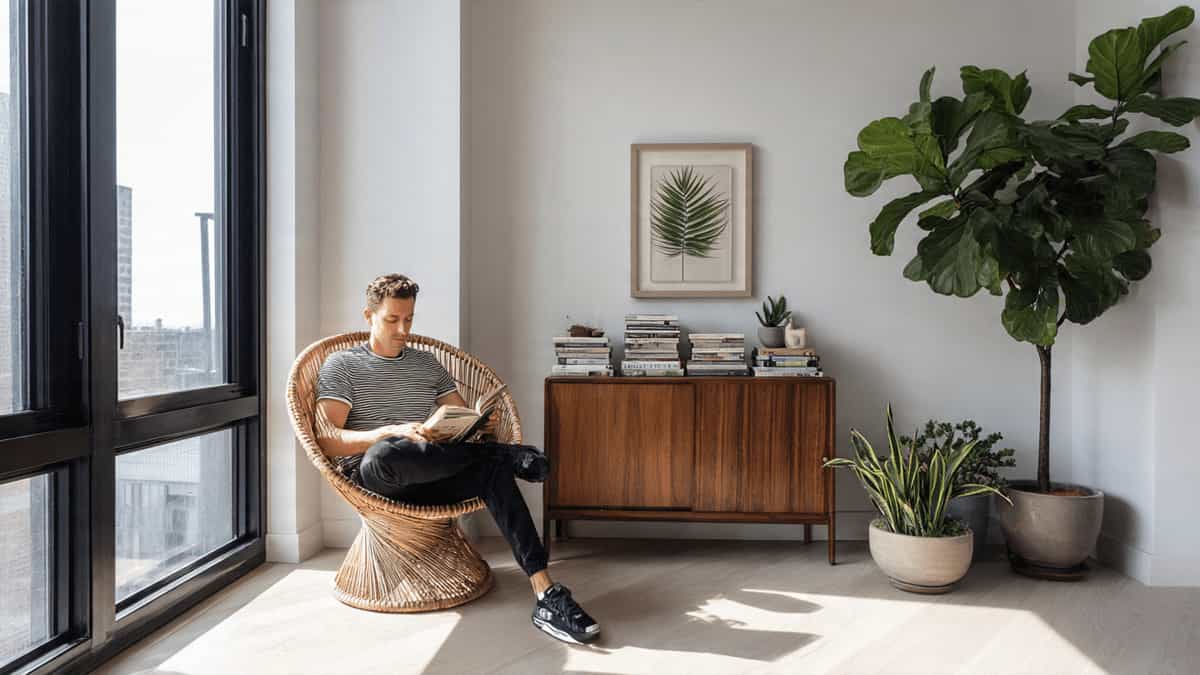
Your bedroom should be a sanctuary. Arrange furniture to promote relaxation. A reading corner with a comfortable chair or a window seat can add to the room’s tranquility.
Storage Solutions
Incorporate storage solutions like nightstands with drawers, under-bed storage, and wardrobes to keep the space tidy. A clutter-free room is more relaxing.
Arrangement Ideas for Small Bedrooms
For small bedrooms, consider loft beds or platform beds with built-in storage. Use wall-mounted shelves to save floor space.
Arrangement Ideas for Large Bedrooms
In larger bedrooms, you can create separate zones for different activities, like a dressing area or a small office. Use rugs and screens to define these spaces.
5. Living Room Furniture Arrangement with Fireplace
Highlighting the Fireplace as a Focal Point
A fireplace is a natural focal point. Arrange your seating around it to make it the centerpiece of your living room.
Balancing Seating Around the Fireplace
Ensure that the seating arrangement allows for a good view of the fireplace from different angles. Don’t overcrowd the space; leave room for easy movement.
Integrating the TV with the Fireplace
If you have a TV in the same room, position it in a way that it doesn’t compete with the fireplace. You can mount the TV above the fireplace or place it on a nearby wall.
Seasonal Rearrangements
Consider changing your furniture arrangement with the seasons. In winter, move seating closer to the fireplace for warmth. In summer, create more open space to keep the room airy.
Furniture arrangement is more than just placing pieces in a room. It’s about creating a functional, comfortable, and aesthetically pleasing environment. Whether you have a small living room, a spacious patio, or a bedroom with unique needs, these techniques can help you make the most of your space. Don’t be afraid to experiment and personalize your arrangement to suit your lifestyle.
FAQs
How can I arrange furniture in a small living room to make it look bigger?
- Use multi-functional furniture, light colors, and mirrors to create the illusion of a larger space.
What are some tips for arranging furniture in a bedroom?
- Prioritize bed placement, use vertical storage, and keep the space clutter-free to create a relaxing atmosphere.
How do I arrange furniture around a fireplace?
- Make the fireplace the focal point, balance seating around it, and ensure there’s enough space for movement.
What should I consider when arranging patio furniture?
- Consider the layout and size of your patio, choose durable furniture, and create cozy seating areas with plants and decor.
How can I make my living room arrangement more functional?
- Ensure good traffic flow, use multi-functional pieces, and create defined zones for different activities.