Spray foam insulation is one of the most effective and energy-efficient insulation solutions available today. Homeowners and builders are increasingly turning to this innovative insulation method because of its numerous benefits, including superior energy efficiency, soundproofing, and moisture control. In this comprehensive guide, we’ll dive into the benefits of spray foam insulation, costs, installation tips, and much more to help you understand why spray foam is a top choice for your insulation needs.
What is Spray Foam Insulation?
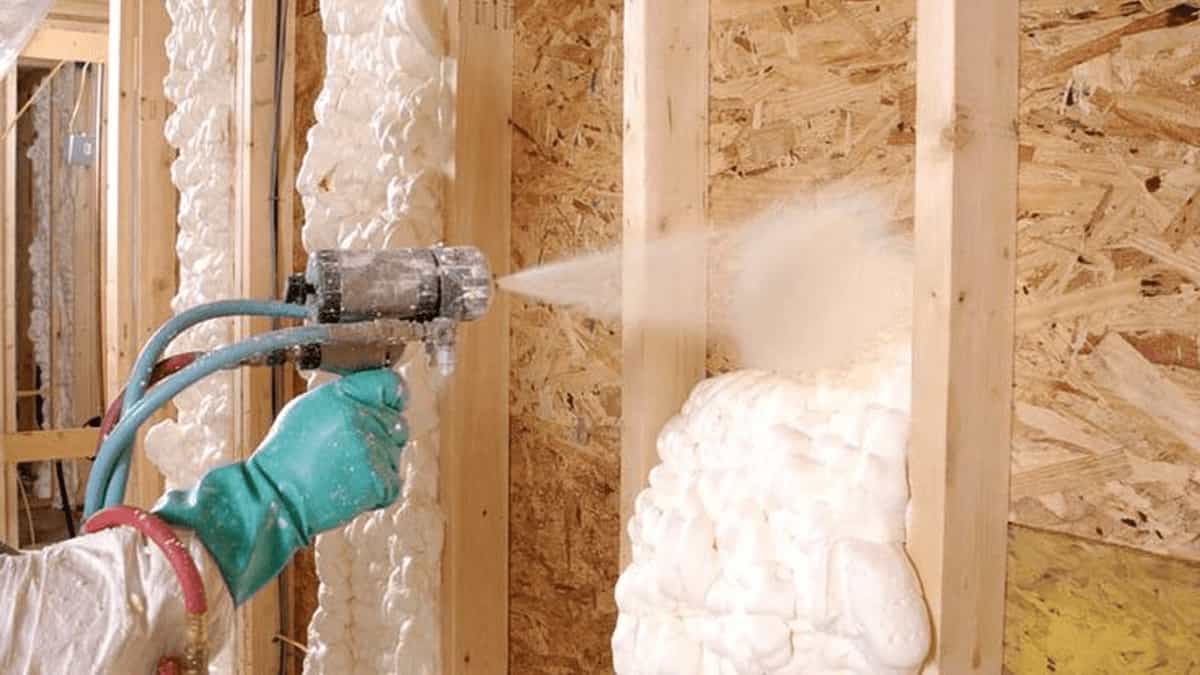
Spray foam insulation is a modern insulation material made by mixing two liquid chemicals—polyol resin and isocyanate—that react when combined to form foam. This foam then expands and hardens, providing an airtight seal that insulates and protects a building from heat loss, moisture, and noise. The ability to fill gaps, cracks, and cavities makes spray foam one of the most efficient insulation materials available.
Why Choose Spray Foam Insulation?
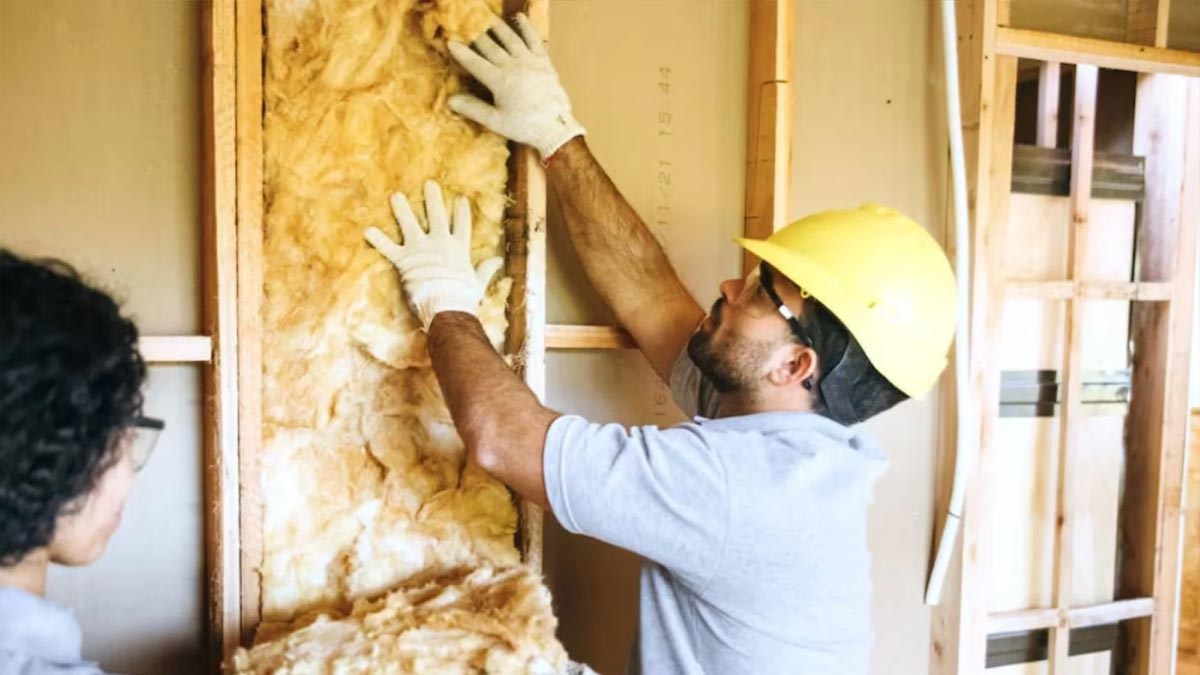
Spray foam insulation offers several benefits over traditional insulation methods like fiberglass. It’s particularly beneficial for homes and buildings in need of superior energy efficiency, soundproofing, and moisture control. Let’s explore the key advantages of spray foam insulation and compare them with other types of home insulation.
Types of Spray Foam Insulation
There are two main types of spray foam insulation to consider: open-cell spray foam and closed-cell spray foam. Both types offer unique benefits, so understanding their differences will help you choose the right one for your project.
Open-Cell Spray Foam
- Open-cell foam is a lighter, more flexible foam that has a lower density.
- It is great for soundproofing as it absorbs sound and reduces noise transmission.
- Ideal for interior applications like attics and walls, especially where soundproofing is a priority.
- Offers a lower R-value compared to closed-cell foam, but still provides effective insulation.
Closed-Cell Spray Foam
- Closed-cell foam is denser and more rigid, providing a higher R-value (thermal resistance).
- Offers superior moisture resistance, making it an excellent choice for basements, crawl spaces, and bathrooms.
- More expensive than open-cell foam but offers better insulation and durability.
Benefits of Spray Foam Insulation
Spray foam insulation provides many advantages that make it a top choice for homeowners and contractors alike.
1. Superior Insulation and Energy Efficiency
The most significant benefit of spray foam insulation is its ability to create an airtight seal. This prevents air leaks, keeping your home cooler in summer and warmer in winter. By improving the energy efficiency of your home, spray foam insulation can lower your utility bills significantly.
2. Moisture Barrier and Mold Prevention
Closed-cell spray foam acts as an excellent moisture barrier. It prevents water from entering walls, ceilings, and floors, which helps reduce the risk of mold growth. This is especially important for homes in humid climates or areas prone to flooding.
3. Soundproofing Qualities
Open-cell spray foam is highly effective at absorbing sound, making it an ideal solution for bedrooms, home theaters, and offices. It helps reduce noise pollution from outside and between rooms, ensuring a quieter indoor environment.
4. Long-Term Durability
Spray foam insulation is highly durable and can last for several decades without deteriorating. It’s resistant to pests, mold, and moisture, making it a long-lasting investment.
5. Eco-Friendly
Spray foam insulation can contribute to a greener environment by reducing your home’s energy consumption. Some spray foam options are made from renewable resources and have a lower environmental impact than traditional insulation materials.
Spray Foam Insulation Costs
While spray foam insulation can have a higher upfront cost compared to other insulation materials, its long-term benefits often outweigh the initial investment. Let’s look at the factors that affect the cost of spray foam insulation.
Factors Affecting the Cost
- Type of Foam: Closed-cell foam typically costs more than open-cell foam due to its higher R-value and moisture resistance.
- Area to Be Insulated: The larger the area you need to insulate, the more material and labor will be required, raising the overall cost.
- Labor Costs: Hiring a professional installer can increase the cost, but it ensures proper application.
- Geographic Location: Prices may vary based on your location, as labor costs and material prices differ from region to region.
Average Costs
- Open-Cell Foam: Typically costs between $0.44 to $0.65 per board foot.
- Closed-Cell Foam: Costs range from $0.90 to $1.50 per board foot.
Cost vs. Long-Term Savings
Although spray foam insulation is more expensive upfront, it can lead to significant long-term savings by reducing heating and cooling costs. Over time, the energy savings will help offset the initial cost, making it a smart investment for homeowners.
How Spray Foam Insulation Works
Spray foam insulation works by creating an expanding foam that fills gaps, cracks, and cavities. Once sprayed onto surfaces, the foam begins to expand rapidly, forming a solid layer of insulation.
The Installation Process
- Preparation: Clear the area of debris, dirt, and moisture before the installation begins.
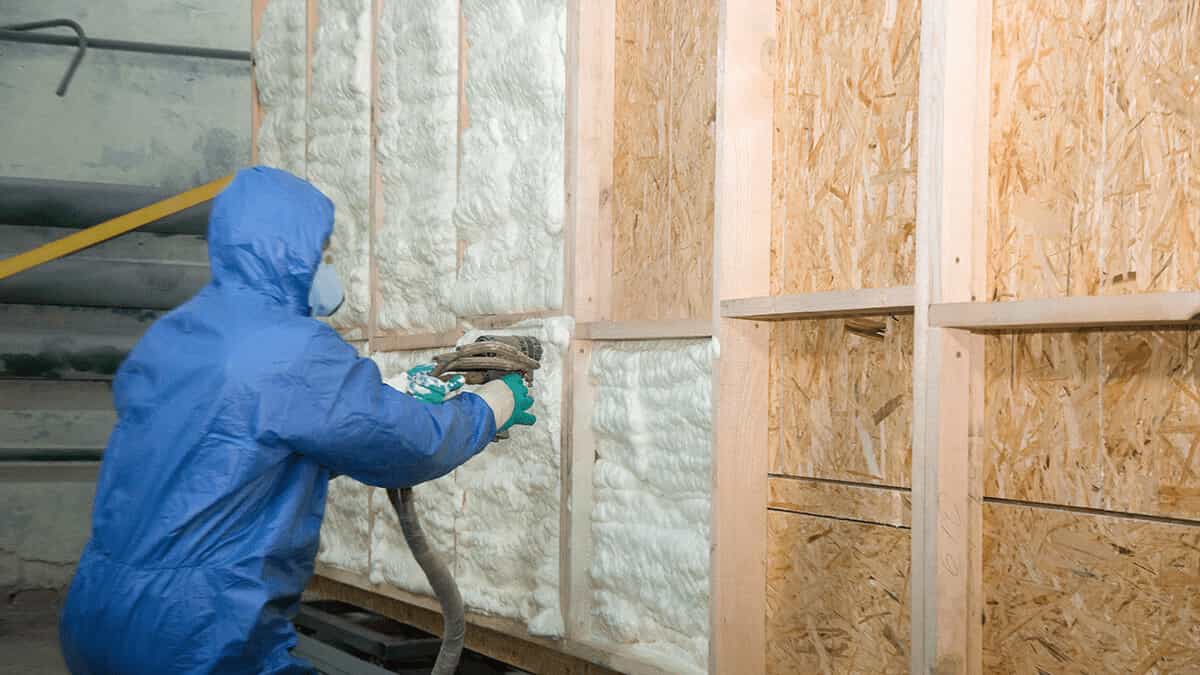
- Spraying the Foam: A professional contractor uses special equipment to spray the foam onto the surfaces to be insulated. The foam expands quickly and begins to harden within minutes.
- Curing: After spraying, the foam needs to cure. This usually takes 24-48 hours, during which proper ventilation is required.
The Role of the Applicator
Using a professional contractor ensures the foam is applied correctly. Improper installation can lead to over-application, which may result in foam expansion issues.
Installation Tips for Spray Foam Insulation
To get the best results from spray foam insulation, follow these installation tips:
1. Prepare Your Home Properly
Ensure that the area being insulated is clean and dry. Remove any obstructions and ensure there is adequate ventilation during the installation process.
2. Choose the Right Contractor
It’s essential to hire a professional with experience in spray foam insulation. An experienced contractor will ensure that the foam is applied correctly, maximizing its effectiveness.
3. DIY vs. Professional Installation
While DIY kits are available, hiring a professional installer is recommended. Proper application requires expertise and the right equipment to ensure the foam expands and cures correctly.
Common Issues with Spray Foam Insulation
Although spray foam is an excellent insulation option, there are some common issues to be aware of:
1. Over-Application and Expansion
Improper installation can lead to the foam expanding too much, which may cause damage to surfaces or leave gaps. Hiring an experienced professional reduces this risk.
2. Off-Gassing Concerns
Freshly installed spray foam can release strong odors due to chemicals in the foam. It’s essential to ventilate the area during installation and curing.
3. Maintenance and Repair
While spray foam is durable, it may need maintenance over time. Periodic inspections and repairs may be necessary if the foam becomes damaged.
When to Choose Spray Foam Insulation
Spray foam insulation is suitable for a variety of applications. Here’s when you should consider using spray foam insulation:
Best Applications for Spray Foam Insulation
- Attics: Spray foam is ideal for insulating attics, as it prevents heat loss and energy waste.
- Basements and Crawl Spaces: Use closed-cell foam to protect these areas from moisture and mold.
- New Construction: Spray foam is most effective in new construction, where it can be applied easily to achieve maximum energy efficiency.
Final Thoughts
Spray foam insulation is a highly effective and energy-efficient option for homes and buildings. With benefits such as superior insulation, moisture control, and soundproofing, spray foam insulation is an investment that can pay off in the long run. While it may have a higher initial cost, the long-term savings on energy bills make it a smart choice for many homeowners.
FAQs
1. How long does spray foam insulation last?
Spray foam insulation can last for several decades when properly installed and maintained, making it a durable and long-lasting option.
2. Is spray foam insulation safe to use?
Yes, spray foam is safe once it has cured properly. However, during installation, proper ventilation is important to avoid inhaling fumes.
3. Can spray foam be installed in existing homes?
Yes, spray foam can be installed in both new and existing homes. In older homes, it may require more preparation to ensure proper application.
4. What’s the difference between spray foam and fiberglass insulation?
Spray foam offers better energy efficiency, moisture resistance, and soundproofing compared to fiberglass, making it a superior option for most applications.
5. How can I maintain spray foam insulation?
Regular inspections for damage and ensuring proper ventilation are key to maintaining the effectiveness of spray foam insulation.