Spray foam insulation is becoming increasingly popular in modern homes and buildings due to its exceptional performance in both thermal and acoustic insulation. Its ability to significantly improve soundproofing and fire resistance makes it a top choice for homeowners and builders seeking enhanced protection.
This article will explore in detail how spray foam insulation contributes to both soundproofing and fire resistance, making it an indispensable material for creating a safe, quiet, and energy-efficient environment.
Spray Foam Insulation: The Basics
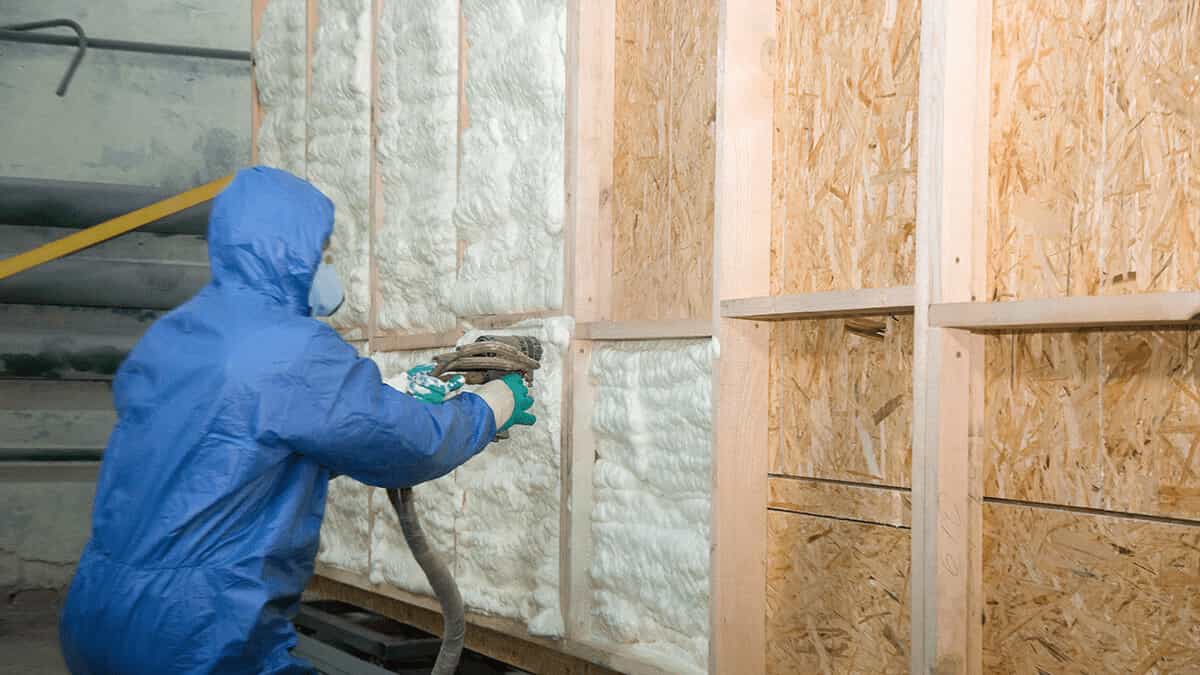
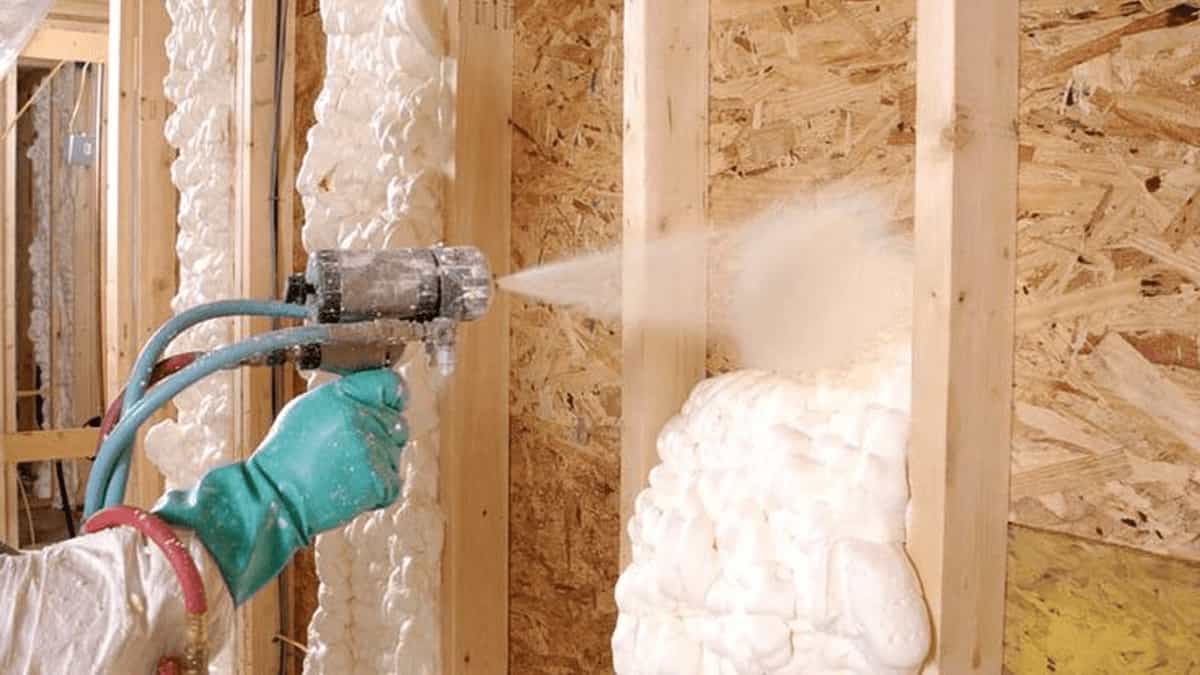
Spray foam insulation is a two-component system that, when mixed and applied, expands to form a rigid or semi-rigid foam layer. The components are typically polyurethane-based or a similar substance, which, once sprayed into walls, ceilings, and floors, creates a seamless, air-tight barrier. The material expands rapidly, filling every nook and cranny, thus offering superior insulation compared to traditional methods such as fiberglass or cellulose.
How Spray Foam Insulation Improves Soundproofing
Sound Absorption and Noise Reduction
One of the key benefits of spray foam insulation is its ability to absorb sound and reduce noise transmission. Its dense and expanding properties help create a soundproof barrier that dampens noise effectively. This is particularly beneficial in both residential and commercial applications, where noise pollution can be a concern.
Spray foam acts as a barrier that reduces sound waves from passing through walls, floors, and ceilings. The high density and structure of the foam absorb airborne sounds, preventing them from entering or exiting a room. This quality is particularly useful in multi-family buildings, offices, and recording studios, where maintaining a quiet environment is crucial for privacy and productivity.
Reducing Echoes and Vibrations
Spray foam insulation’s ability to reduce echoes and vibrations within a space is another critical aspect of its soundproofing capabilities. Unlike traditional insulation, spray foam can be applied directly to irregular surfaces and shapes, creating a consistent layer that dampens sound reflections. This is especially valuable in larger spaces like theaters, gymnasiums, or open-plan offices, where sound reverberation can create distractions and reduce the overall comfort of the environment.
Improved Air Tightness for Enhanced Sound Control
Air leaks and gaps in a building’s structure often allow unwanted noise to travel through. Spray foam insulation is unique in its ability to form an air-tight seal upon application, preventing sound from escaping or entering through small gaps. This feature improves the overall acoustics of a building by reducing the amount of noise leakage, thus achieving a higher level of soundproofing.
Spray Foam Insulation and Fire Resistance
Fire-Resistant Properties of Spray Foam
Spray foam insulation, depending on the specific formulation, can offer significant fire resistance. It is crucial for materials used in building construction to have certain fire-resistance ratings, especially in areas prone to high temperatures. Spray foam insulation is treated with fire retardants, which increase its ability to withstand heat and flames.
When exposed to fire, spray foam insulation will not only resist combustion but will also form a protective layer that slows down the spread of fire. This is because the foam tends to expand and harden when subjected to high heat, creating an insulating char layer that prevents flames from advancing through walls and ceilings.
Preventing Heat Transfer
The heat resistance of spray foam insulation helps in maintaining safe indoor temperatures during a fire. Its thermal barrier properties prevent heat from spreading through the structure of a building, thus reducing the risk of fire damage and providing additional time for evacuation and firefighting efforts. The material’s expansion during a fire creates a physical barrier that blocks both flames and excessive heat from traveling through the building.
Compliance with Fire Safety Codes
Spray foam insulation can be customized to meet fire safety codes depending on the required building standards. Many spray foam products are tested and certified for use in residential, commercial, and industrial applications, making them an ideal choice for areas that require strict fire resistance ratings.
The Energy Efficiency Benefits of Spray Foam Insulation
Superior Thermal Insulation for Energy Savings
While soundproofing and fire resistance are significant advantages, spray foam insulation also provides excellent thermal insulation. It minimizes heat transfer, keeping indoor spaces warmer in the winter and cooler in the summer. This leads to significant energy savings as the need for heating and cooling systems is reduced.
Minimizing Air Leaks for Better Efficiency
The air-tight seal that spray foam creates not only prevents noise and fire from spreading but also helps in eliminating drafts. This contributes to improved energy efficiency as conditioned air stays inside the building, reducing the load on HVAC systems. As a result, homes and buildings with spray foam insulation require less energy to maintain a comfortable temperature, translating into lower utility bills and a more eco-friendly building.
How to Apply Spray Foam Insulation for Optimal Results
Professional Installation for Maximum Effectiveness
To fully benefit from spray foam insulation’s soundproofing and fire resistance properties, professional installation is highly recommended. The application process requires precision to ensure the foam fills all gaps and crevices without any voids. Professionals use specialized equipment to spray the foam into wall cavities, attics, and other hard-to-reach areas, ensuring the insulation expands properly and adheres securely.
Choosing the Right Type of Spray Foam
There are two primary types of spray foam insulation: open-cell and closed-cell. Closed-cell foam is denser and provides superior insulation properties, making it ideal for both soundproofing and fire resistance. Open-cell foam, while more affordable, offers slightly less fire resistance and soundproofing ability but still performs well in these areas. The choice of spray foam type should be based on the specific needs of the building and the local climate.
Final Thoughts
Spray foam insulation offers a comprehensive solution for improving both soundproofing and fire resistance in residential and commercial buildings. Its dense structure and air-tight properties make it an effective barrier against noise and fire, while its thermal insulation benefits contribute to energy savings. By choosing spray foam insulation, homeowners, and builders can ensure a safer, quieter, and more energy-efficient environment.
For more detailed insights on the benefits and costs of spray foam insulation, refer to this article: Spray Foam Insulation: Benefits, Costs, and Tips.
To explore various types of home insulation and their pros and cons, take a look at: Types of Home Insulation: Pros and Cons.