
Proper watering techniques are crucial for the health and vitality of your plants. Whether you’re tending to indoor houseplants, outdoor gardens, or container arrangements, understanding the specific watering needs of different plant types can make all the difference. This guide provides detailed tips on how to water various plants effectively, ensuring they thrive in their environments.
1. Watering Techniques for Indoor Plants
Succulents and Cacti
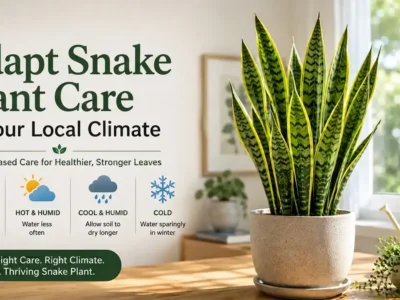
Succulents and cacti require minimal water due to their ability to store moisture. Water them deeply but infrequently, allowing the soil to dry out completely between waterings. During the growing season (spring and summer), water once every 2-4 weeks, and reduce watering in the winter months.
Tropical Houseplants
Tropical houseplants like Monstera, Philodendron, and Pothos prefer consistently moist soil. Water these plants when the top inch of soil feels dry. Ensure good drainage to prevent root rot, and mist the leaves regularly to mimic their natural humid environment.
Ferns
Ferns thrive in consistently moist soil and high humidity. Water them regularly to keep the soil evenly moist, but not waterlogged. Mist the foliage frequently and consider using a humidity tray to maintain optimal moisture levels.
2. Watering Techniques for Outdoor Plants
Flowering Plants
Flowering plants like roses, petunias, and marigolds need regular watering to support blooming. Water at the base of the plant to avoid wetting the foliage, which can lead to disease. Aim to keep the soil consistently moist, particularly during dry spells.
Vegetables
Vegetable plants have varying water needs depending on their type. For example, tomatoes and cucumbers require deep watering to encourage root growth, while leafy greens need more frequent but lighter watering. Ensure that the soil remains consistently moist but not soggy.
Herbs
Herbs such as basil, thyme, and rosemary prefer well-drained soil and moderate watering. Water when the top inch of soil feels dry, and avoid overhead watering to prevent fungal issues. Mulching around the plants can help retain moisture and reduce the frequency of watering.
3. Watering Techniques for Garden Plants
Perennials
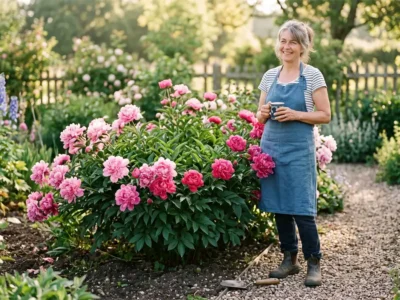
Perennials like hostas, daylilies, and peonies benefit from deep, infrequent watering. Water these plants thoroughly, allowing the soil to dry out slightly between waterings. Mulch around perennials to conserve moisture and protect roots.
Annuals
Annuals need consistent watering throughout their growing season to support their rapid growth and flowering. Water deeply and regularly, especially during hot, dry periods. Mulching can help maintain soil moisture and reduce watering frequency.
Shrubs and Trees
Newly planted shrubs and trees require regular watering to establish roots. Water deeply and slowly, ensuring the water reaches the root zone. Once established, most trees and shrubs need less frequent watering, depending on the climate and soil type.
4. Watering Techniques for Container Plants
Hanging Baskets
Hanging baskets dry out quickly due to exposure to wind and sun. Water them thoroughly until water runs out of the drainage holes, and check them daily during hot weather. Consider using water-retaining crystals in the soil mix to help retain moisture.
Potted Plants
Potted plants can dry out quickly, especially in smaller pots. Water them thoroughly, allowing excess water to drain away. Check the soil moisture regularly and adjust watering frequency based on the plant’s needs and the pot size.
Window Boxes
Window boxes, like hanging baskets, can dry out quickly. Water them thoroughly and regularly, ensuring the soil remains consistently moist. Use a well-draining soil mix and consider adding water-retaining materials to the soil.
5. Watering Systems and Tools
Drip Irrigation
- Benefits and Setup: Drip irrigation delivers water directly to the plant roots, minimizing evaporation and runoff. It’s ideal for precise watering, especially for vegetables, herbs, and flowers.
- Best Plants for Drip Irrigation: Most garden plants benefit from drip irrigation, particularly those in rows or garden beds where even, consistent moisture is needed.
Soaker Hoses
- How They Work: Soaker hoses slowly release water along their length, providing even moisture to garden beds and rows.
- Installation Tips: Lay out the hose in your garden beds, making sure to cover the root zones of your plants. Check for clogs and ensure even coverage.
Sprinklers
- Types and Applications: Choose from stationary, oscillating, or rotating sprinklers based on your garden’s layout. Stationary sprinklers are great for small areas, while oscillating and rotating models cover larger spaces.
- Adjusting for Different Plant Needs: Adjust the sprinkler settings to avoid over-watering and ensure that different plant types receive adequate moisture.
Hand Watering
- Tools and Best Practices: Use a watering can with a fine spout for delicate plants and a hose with adjustable nozzles for larger areas. Water gently to avoid disturbing the soil or damaging plants.
- Tips for Effective Watering: Water at the base of the plants to reduce evaporation and minimize water on the foliage, which can lead to fungal issues.
6. Common Watering Mistakes to Avoid
Overwatering
Overwatering can lead to root rot and other plant diseases. Ensure proper drainage and avoid watering until the soil has partially dried out. Signs of overwatering include yellowing leaves and wilting despite moist soil.
Underwatering
Underwatering can cause plants to wilt and become stressed. Regularly check soil moisture and water deeply to encourage strong root growth. Symptoms of underwatering include dry, brittle leaves and stunted growth.
Watering at the Wrong Time
Watering during the heat of the day can result in water loss due to evaporation. The best time to water is early in the morning or late in the afternoon when temperatures are cooler, allowing the plants to absorb moisture more effectively.
7. Signs of Proper and Improper Watering
Healthy Plant Indicators
Properly watered plants will have vibrant, green leaves and strong, healthy growth. Soil will be moist but not waterlogged, and plants will show no signs of stress.
Symptoms of Water Stress
Water stress can manifest as wilting, yellowing, or browning of leaves. Overwatered plants may have soft, mushy roots, while underwatered plants will have dry, brittle leaves and stunted growth.
8. Seasonal Watering Tips
Spring and Summer
During the growing season, plants require more frequent watering. Monitor soil moisture closely and water deeply to support growth. Mulching can help retain moisture and reduce watering frequency.
Fall and Winter
In cooler months, plants generally require less water. Reduce watering frequency, but ensure that the soil does not completely dry out. Protecting plants from frost and using mulch can help conserve moisture and maintain soil temperature.
Effective watering techniques are essential for maintaining healthy and vibrant plants. By understanding the specific needs of different plant types and using appropriate watering methods, you can ensure your plants thrive in any environment. Regularly monitor soil moisture, adjust your watering practices seasonally, and avoid common mistakes to keep your plants happy and healthy.
FAQs
How often should I water my indoor plants?
Watering frequency for indoor plants depends on the type of plant and environmental conditions. Generally, water when the top inch of soil feels dry.
What is the best time of day to water outdoor plants?
The best time to water outdoor plants is early in the morning or late in the afternoon to minimize water loss due to evaporation.
How can I tell if my plant needs more or less water?
Check the soil moisture regularly and look for signs of stress such as wilting, yellowing, or browning leaves. Adjust watering based on these observations.
Are there specific watering techniques for newly planted shrubs?
Newly planted shrubs require regular, deep watering to establish roots. Water slowly and deeply, ensuring the moisture reaches the root zone.
Can I use tap water for all my plants?
Most plants can tolerate tap water, but some sensitive plants may prefer filtered or distilled water to avoid potential issues with chlorine or mineral build-up.