
When cultivating beautiful and vibrant flowers in your garden, poppies and peonies stand out as two of the most beloved choices for gardeners worldwide. Both plants offer stunning blooms, but their care, growing conditions, and climate needs to differ. In this comprehensive guide, we will explore everything you need to know about growing poppies and peonies, from ideal climates and soil conditions to tips for flourishing blooms.
Poppies

The Flower of Brightness and Resilience
Poppies are a symbol of remembrance, beauty, and peace. They come in various types, from the delicate California poppies to the striking Oriental poppies. Poppies are known for their vibrant petals and are relatively easy to grow. However, they require specific care in terms of climate, soil, and maintenance to ensure that they thrive and bloom to their fullest potential.
Best Climate for Growing Poppies
Poppies are hardy flowers, but they prefer temperate climates with moderate temperatures. Ideal growing conditions for poppies include:
- Cool to Moderate Temperatures: Poppies thrive in regions with temperatures ranging between 55°F (13°C) and 70°F (21°C). Extreme heat or frost can hinder their growth or prevent flowering.
- Full Sunlight: Poppies love sunlight, and they need it to grow strong and healthy. A location that receives at least 6 hours of direct sunlight per day is optimal.
- Cold Winters: Some poppy varieties, such as Oriental poppies, benefit from experiencing a cold period in the winter, which helps them bloom in the spring.
Soil Requirements for Poppies
When it comes to soil, poppies prefer well-draining, fertile, and slightly alkaline conditions. Here’s how to ensure your soil is perfect for poppy growth:
- Well-draining Soil: Poppies do not thrive in soggy or waterlogged soil. To promote proper drainage, you can amend your soil with sand, perlite, or gravel.
- pH Levels: Poppies prefer a slightly alkaline soil pH of 6.5 to 7.5. Before planting, consider testing your soil to ensure the pH is within the ideal range.
- Light Fertilization: Poppies are not heavy feeders, so over-fertilizing can actually harm the plants. A balanced, slow-release fertilizer applied during the growing season should be sufficient for healthy growth.
Care Tips for Thriving Poppies
Caring for poppies involves providing the right conditions and taking steps to maintain their health throughout the growing season. Here are some essential tips:
- Watering: Poppies require moderate watering, especially during dry spells. However, it’s important to avoid overwatering. Water at the base of the plant to keep the foliage dry and prevent fungal diseases.
- Pruning: Once your poppies have finished blooming, deadhead the spent flowers to promote new growth. You can also trim back any damaged or dead foliage to keep the plant looking tidy.
- Pest and Disease Control: While poppies are generally resistant to pests, they can sometimes fall victim to aphids and slugs. Keeping the area clean and applying natural pest control methods can help protect your plants.
By meeting these climate, soil, and care needs, your poppies will produce breathtaking blooms that brighten up any garden.
Peonies


The Majestic Blooms of Grace and Elegance
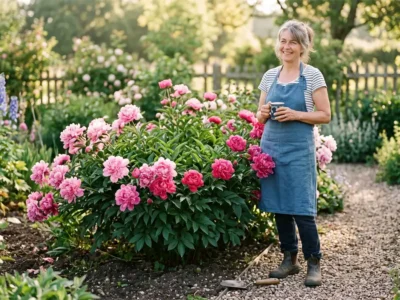
Peonies are one of the most loved and admired flowers, celebrated for their large, fragrant blossoms and unique aesthetic. Peonies come in several types, each with different blooming patterns and growing needs. Below, we explore how to grow peonies successfully, with a focus on the ideal climate, soil, and care conditions.
Best Climate for Growing Peonies
Peonies are native to temperate regions, and they thrive in cooler climates. Here’s what you need to know about creating the right climate for peony growth:
- Cold Winters: Peonies need a cold winter period for dormancy. This cold period helps the plants produce healthy flower buds. In regions with mild winters, peonies may struggle to flower effectively.
- Moderate Temperatures: Just like poppies, peonies grow best in moderate temperatures between 50°F (10°C) and 70°F (21°C). While peonies can tolerate heat, excessive temperatures may cause the blooms to wither prematurely.
- Full Sunlight: Peonies flourish in full sunlight, needing at least 6 hours of direct sunlight each day to produce vibrant blooms. In regions with extremely hot summers, peonies may benefit from some afternoon shade.
Soil Requirements for Peonies
Peonies are known for their preference for well-drained, nutrient-rich soil. Here’s how to create the ideal soil conditions:
- Well-Draining, Loamy Soil: Peonies prefer loamy soil that is rich in organic matter. The soil should be deep, well-draining, and fertile.
- pH Levels: Peonies thrive in neutral to slightly alkaline soil with a pH range of 6.5 to 7.0. Regularly checking your soil’s pH is crucial to ensure the best growing conditions.
- Avoid Heavy Clay Soil: Heavy clay soils can retain too much water, leading to root rot. If your soil is heavy, consider amending it with compost and sand to improve drainage.
Care Tips for Thriving Peonies
Caring for peonies involves patience and consistency. Here are key tips for ensuring your peonies grow and bloom beautifully:
- Watering: While peonies are drought-tolerant once established, they need consistent watering during the growing season. However, avoid waterlogging the roots, as peonies do not like “wet feet.”
- Mulching: Apply a layer of mulch around the base of the plants to retain moisture and keep the roots cool during the summer. Ensure the mulch does not touch the stems to prevent rot.
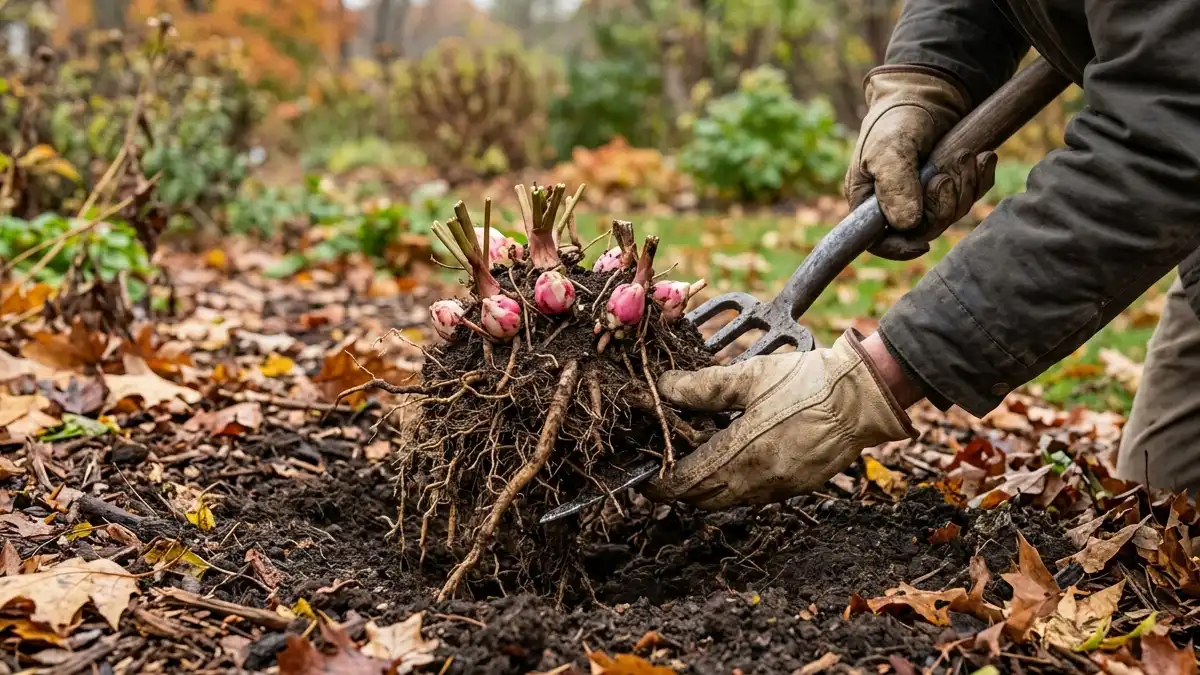
- Pruning: Deadhead peony flowers once they fade to encourage strong growth for the following season. In late fall, after the plant has gone dormant, trim back the foliage to about 2 inches above the ground to prevent diseases.
- Fertilization: Peonies are relatively low-maintenance when it comes to feeding. Apply a balanced fertilizer in early spring before the plant starts growing, but avoid excessive fertilization, which can lead to weak stems and fewer blooms.
Types of Peonies and Growing Tips
Peonies come in several different types, each with unique growth patterns. These include:
- Herbaceous Peonies: These peonies die back to the ground each winter and regrow from the roots in the spring. They are the most common type.
- Tree Peonies: Unlike herbaceous varieties, tree peonies maintain woody stems and can grow quite large. They require a longer growing season and can be more sensitive to climate changes.
- Intersectional Peonies (Itoh Peonies): A hybrid between herbaceous and tree peonies, Itoh peonies offer the best of both worlds, with vibrant blooms and a sturdier structure.
If you’re interested in more details about the types of peonies and their growing requirements, refer to this comprehensive guide on peony care and types.
By following these climate, soil, and care recommendations, you can enjoy magnificent peony blooms year after year.
Final Thoughts
Growing poppies and peonies in your garden is a rewarding endeavor, as both flowers bring beauty, color, and elegance to any space. Understanding their specific climate needs, soil preferences, and care tips will help you create the perfect environment for these stunning blooms to thrive. By ensuring that both your poppies and peonies receive the right conditions, you’ll be rewarded with breathtaking flowers each season.