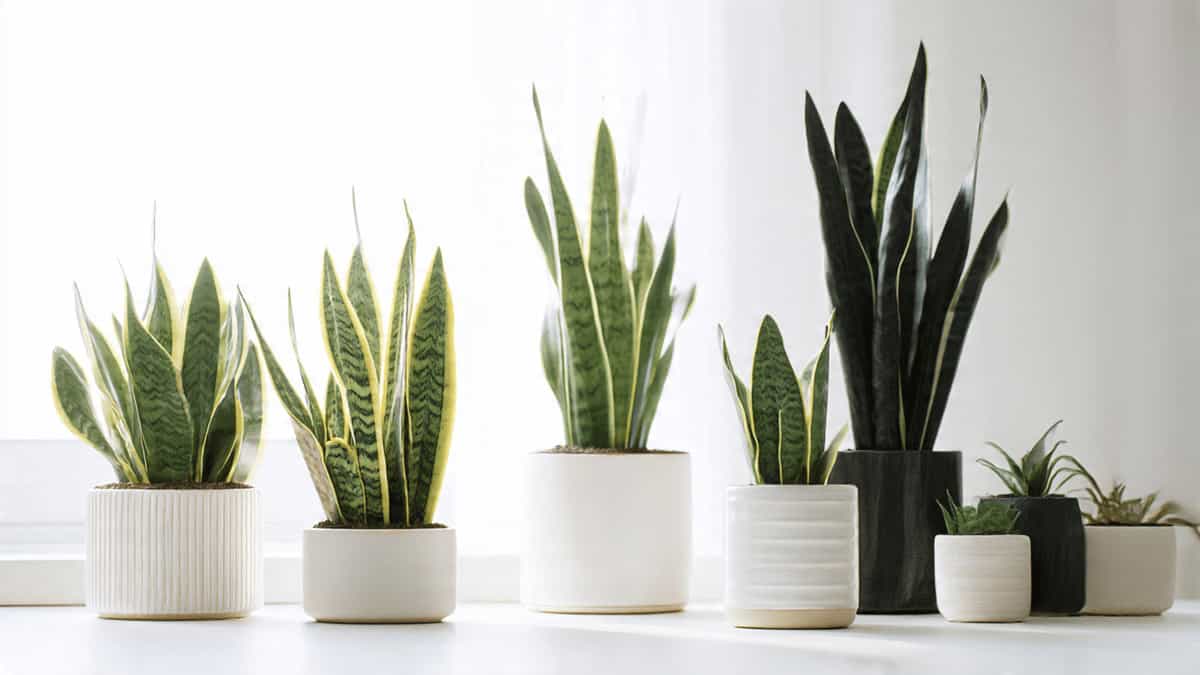
Snake Plants, historically classified as Sansevieria (and recently reclassified into the genus Dracaena), are widely recognized as some of the most adaptable and resilient houseplants in the world. Often hailed as “unkillable,” they not only enhance indoor aesthetics with their architectural foliage but also work tirelessly to improve indoor air quality.
In this comprehensive guide, we’ll explore the top Sansevieria varieties, their unique growth habits, and an expert-level care guide to help them thrive.
What Are Snake Plants?
Snake Plants are renowned for their stiff, upright leaves and incredible tolerance to neglect. They gained global fame following the NASA Clean Air Study, which found them capable of filtering toxins like formaldehyde, xylene, and benzene from the air. Unlike most plants, Snake Plants perform Crassulacean Acid Metabolism (CAM), allowing them to release oxygen at night, making them perfect bedroom companions.
IMPORTANT PLANT SAFETY WARNING
- Toxicity: The Snake Plant is toxic to cats and dogs if ingested. Keep out of reach of curious pets.
- Symptoms: Ingestion can cause nausea, vomiting, and diarrhea in domestic animals due to saponins.
| Variety (Common Name) | Key Identifier | Ideal For | Max Height |
|---|---|---|---|
| S. trifasciata (Mother-in-Law’s Tongue) | Flat, banded, upright leaves | Low-light corners, air purification | 3-4 ft |
| S. cylindrica (African Spear) | Smooth, cylindrical leaves | Modern decor, sculptural interest | 2-3 ft |
| S. hahnii (Bird’s Nest) | Compact, rosette form | Desktops, shelves, small spaces | 6-8 in |
| S. masoniana (Whale Fin) | Single, massive paddle leaf | Bold statement pieces | 1-3 ft (per leaf) |
| S. kirkii ‘Star’ | Twisted, textured leaves | Collectors, unique texture | 1-2 ft |
11 Most Popular Types of Snake Plants
From towering floor plants to tiny tabletop rosettes, here are the most sought-after Sansevieria varieties.
1. Sansevieria trifasciata (Mother-in-Law’s Tongue)
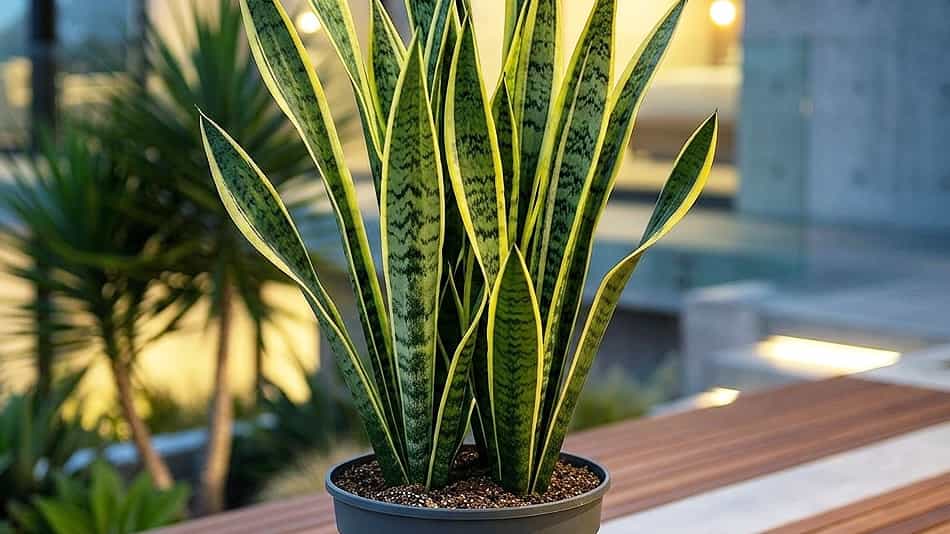
The gold standard of the species, Sansevieria trifasciata, features tall, sword-like leaves with horizontal marbling. It adds vertical interest to any room, often reaching heights of 3 to 4 feet.
Trifasciata Quick Facts
- ✓ Best For: Floor decor and low-light corner spaces.
- ✓ Height: Ranging between 2 to 4 feet tall.
- ✓ Key Feature: Classic green foliage with distinct silvery-green horizontal banding.
2. Sansevieria cylindrica (African Spear Plant)
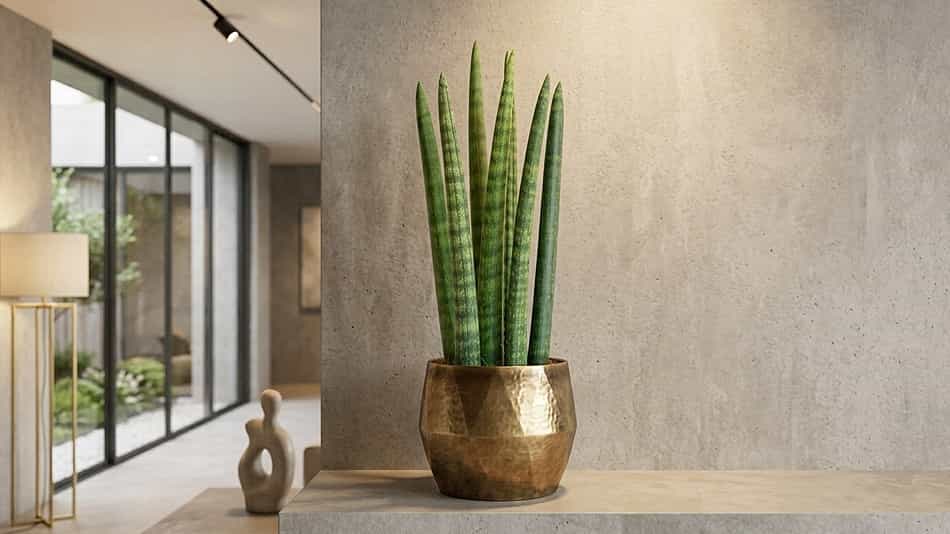
Moving away from the flat leaf, Sansevieria cylindrica boasts round, tube-like leaves that resemble spears. Nurseries often braid these pliable stems for a sculptural look.
Cylindrica Quick Facts
- ✓ Best For: Modern, minimalist, and architectural interior styling.
- ✓ Height: Typically grows between 1 to 2 feet indoors.
- ✓ Key Feature: Smooth, cylindrical leaves that are exceptionally tough and drought-resistant.
3. Sansevieria hahnii (Bird’s Nest Snake Plant)
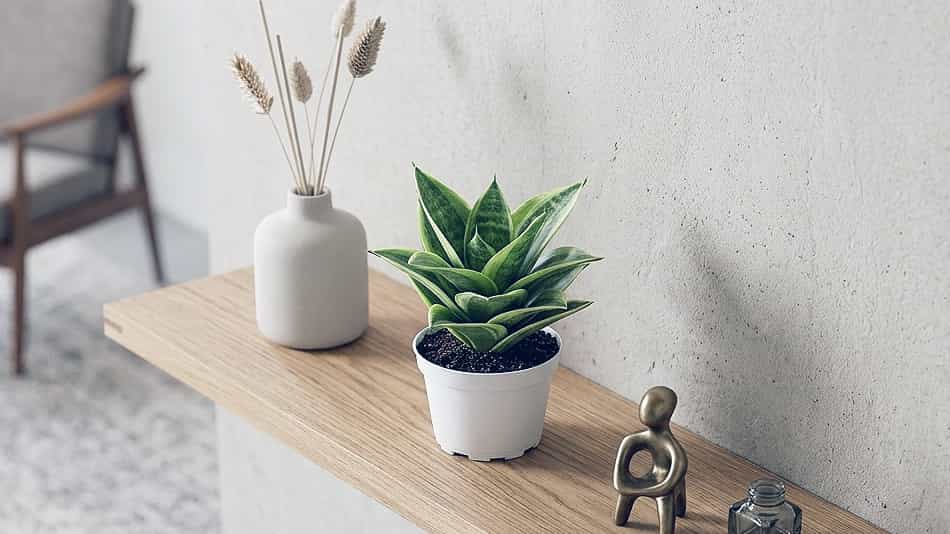
If you lack floor space, Sansevieria hahnii is your best option. It is a dwarf variety that stays low to the ground, forming a tight rosette that resembles a bird’s nest.
Hahnii Quick Facts
- ✓ Best For: Compact desktops, narrow windowsills, and indoor terrariums.
- ✓ Height: Short stature, maxing out around 6 to 8 inches.
- ✓ Key Feature: Rose-like cluster shape; also available in ‘Golden Hahnii’ with yellow borders.
4. Sansevieria masoniana (Whale Fin Snake Plant)
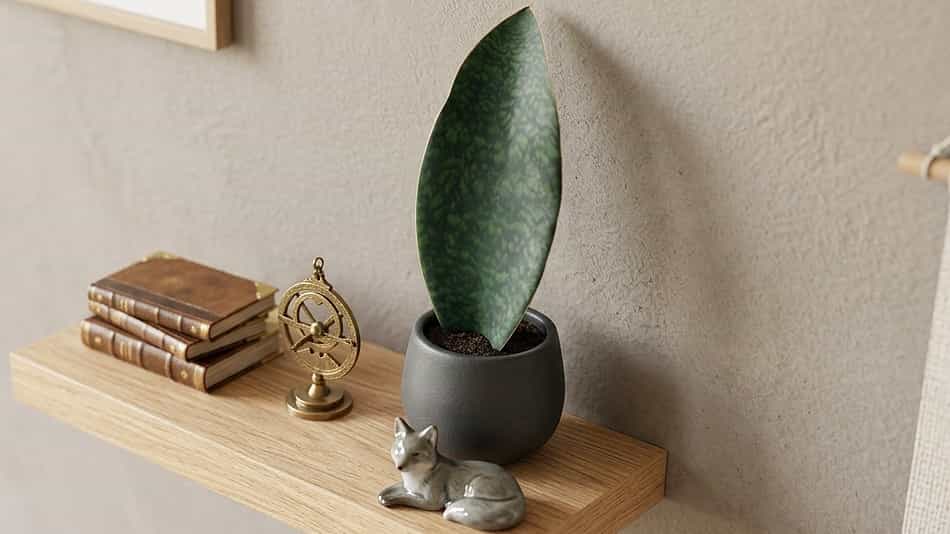
A collector’s favorite, Sansevieria masoniana is famous for its massive, paddle-shaped leaves. Often sold as a single large leaf, it makes a bold statement due to its sheer width.
Masoniana Quick Facts
- ✓ Best For: Focal statement pieces in large rooms or office spaces.
- ✓ Height: Reaches up to 4 feet tall, though it grows quite slowly.
- ✓ Key Feature: Extremely wide leaves (up to 10 inches) with beautiful mottled dark green patterns.
5. Sansevieria kirkii (Star Snake Plant)
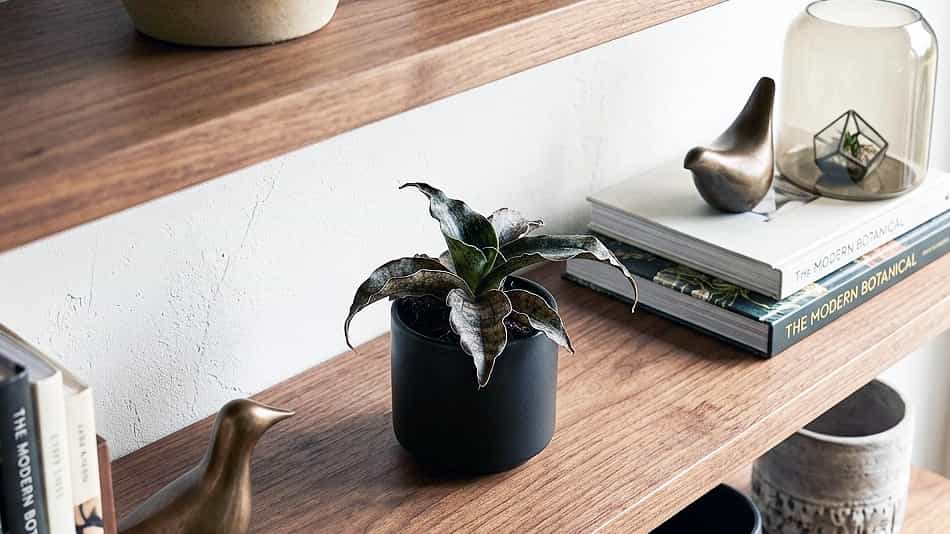
Sansevieria kirkii is distinct for its copper-toned or blue-green leaves that grow in a star-like rosette pattern. It is harder to find than the trifasciata but highly rewarding for enthusiasts.
Kirkii Quick Facts
- ✓ Best For: Decorative outdoor planters (warm zones) or bright indoor windows.
- ✓ Key Feature: Rigid, heavy foliage featuring wavy edges and a unique brownish-green hue.
6. Sansevieria parva (Kenya Hyacinth)
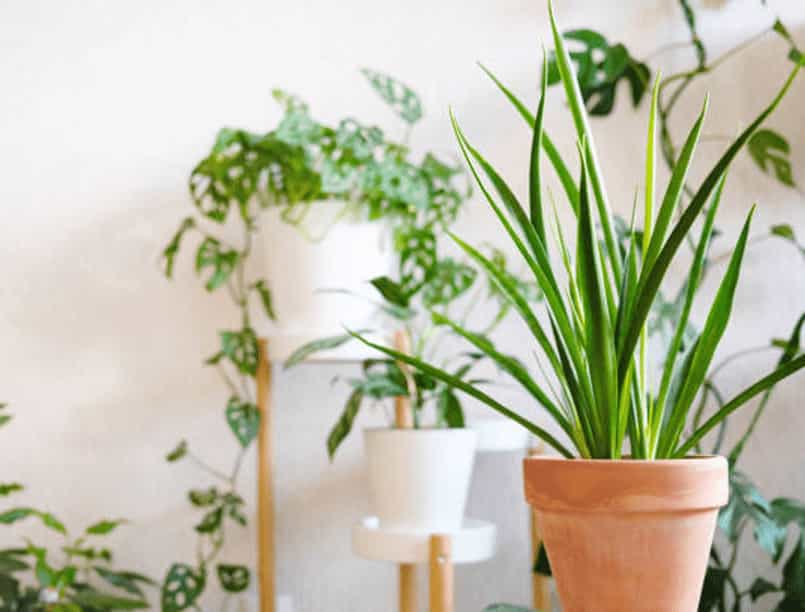
Unlike the broad-leafed varieties, Sansevieria parva has fine, grassy foliage. It is commonly called the “Kenya Hyacinth” because, when happy, it produces spikes of fragrant, pinkish-white flowers.
Parva Quick Facts
- ✓ Best For: High hanging baskets, wall planters, or high shelving.
- ✓ Key Feature: Narrow, fountain-like weeping growth habit with seasonal fragrant blooms.
7. Sansevieria pinguicula (Walking Sansevieria)
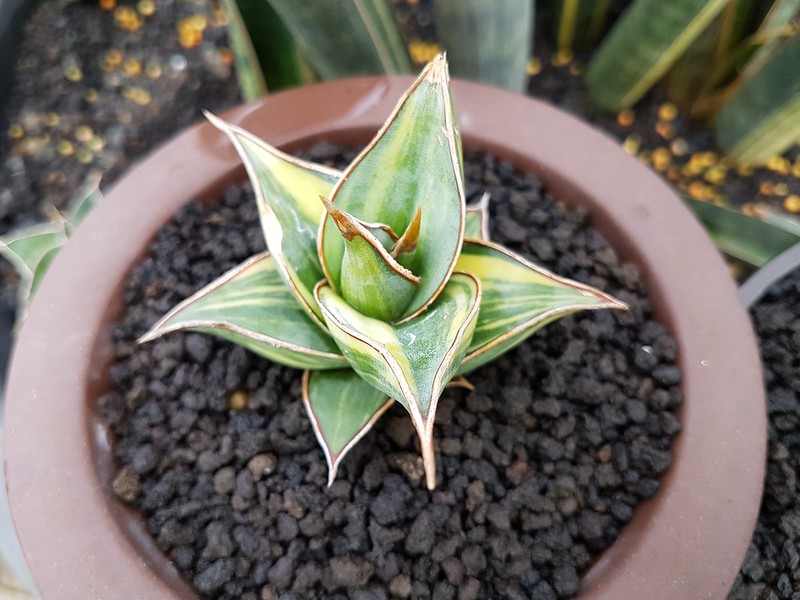
One of the most fascinating varieties, Sansevieria pinguicula, is called the “Walking Sansevieria.” It grows aerial roots (stolons) that arch out of the pot and plant themselves nearby, making it look like the plant is walking.
Pinguicula Quick Facts
- ✓ Best For: Xeriscapes, miniature container gardens, and succulent collectors.
- ✓ Key Feature: Super thick, fleshy blue-green foliage; incredibly drought resilient.
8. Sansevieria zeylanica (Ceylon Bowstring Hemp)
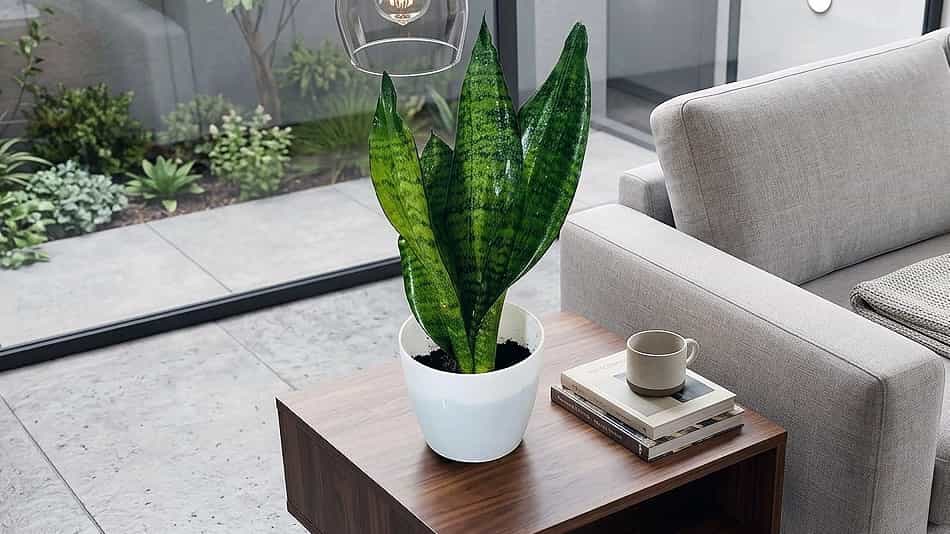
Often confused with S. trifasciata, the Sansevieria zeylanica is the true wild species. It has olive-green leaves with horizontal wavy stripes and is historically used to make bowstrings due to its strong fibers.
Zeylanica Quick Facts
- ✓ domBest For: High-traffic areas like hallways or commercial spaces.
- ✓ Key Feature: Mid-sized upright growth, fine zebra-like stripes, and extreme ruggedness.
9. Sansevieria Robusta
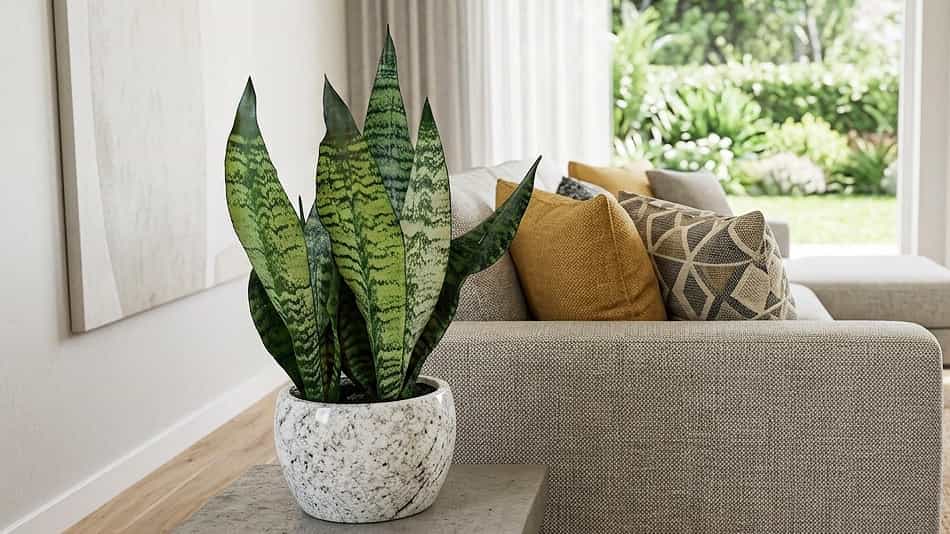
As the name suggests, Sansevieria robusta is a vigorous grower. It is essentially a larger, darker, and more “robust” version of the standard snake plant, often retaining a deep emerald color even in lower light.
10. Sansevieria hyacinthoides
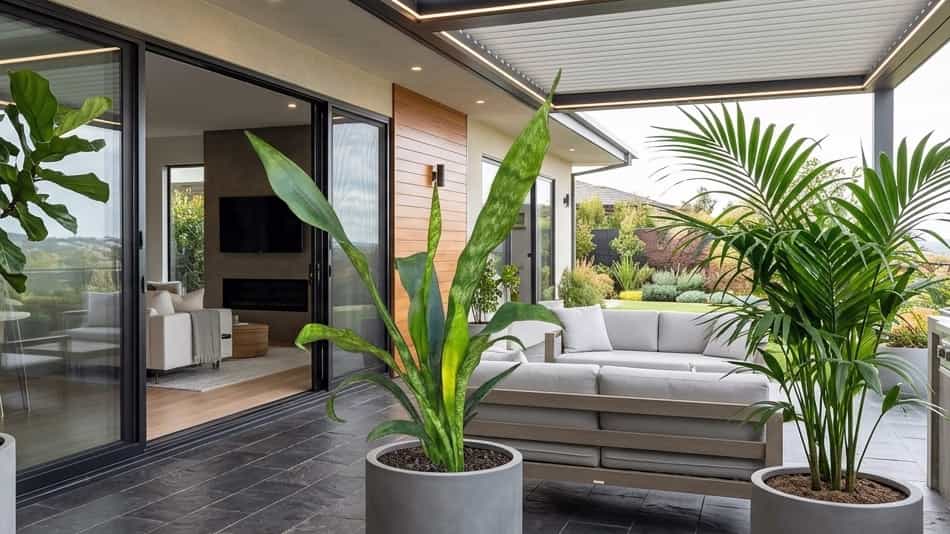
Sansevieria hyacinthoides is characterized by broader leaves than the typical snake plant, often with reddish margins. It is aggressive in growth and can fill a pot quickly.
11. Sansevieria Deserti (Rhino Grass)
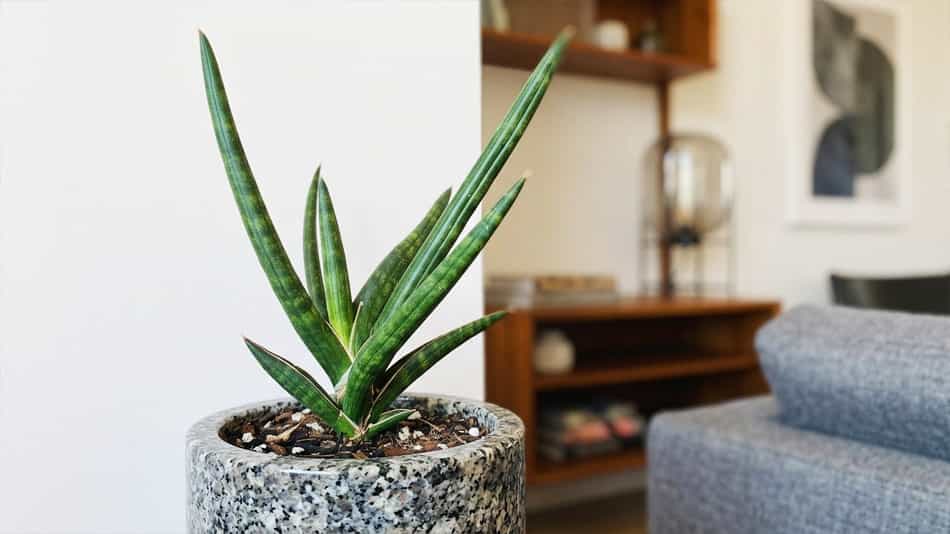
Native to the harsh Kalahari Desert, Sansevieria deserti (sometimes called Rhino Grass) has rigid, succulent red-tinted leaves that grow in a fan shape. It is one of the toughest varieties available.
How to Care for Snake Plants: The Ultimate Guide
While Snake Plants are famous for being low-maintenance, providing the right conditions will speed up their growth and enhance leaf color.
| Care Factor | Requirement |
|---|---|
| Light Settings | Thrives in bright indirect light; tolerates deep shade. |
| Water Frequency | Allow soil to dry out completely (every 2-4 weeks). |
| Temperature | Optimal between 60°F – 85°F. Protect from cold drafts. |
| Soil Profile | Fast-draining cactus or gritty succulent substrate mix. |
1. Light Requirements
Myth Buster: While Snake Plants survive in dark corners, they actually thrive in bright, indirect sunlight. Low light slows their growth significantly. Placing them near an east-facing window will produce the most vibrant banding on the leaves.
2. Watering: The “Soak and Dry” Method
The quickest way to kill a Snake Plant is overwatering. They are succulents that store water in their leaves. Water only when the soil is 100% dry. In winter, you may only need to water once a month or less.
3. Soil and Potting
Use a cactus or succulent potting mix combined with perlite to ensure rapid drainage. Snake plants prefer to be slightly root-bound, so don’t rush to repot them. Repotting is only necessary every 3-5 years.
4. Common Problems & Solutions
If your snake plant looks sick or unhappy, use this troubleshooting comparison checklist to target issues quickly:
HEALTHY SIGNS
- ✓ Firm, upright, structural stems.
- ✓ Vibrant horizontal marbling.
- ✓ Dry, aerated, gritty topsoil.
- ✓ Slow, steady leaf production.
DISTRESS SIGNALS
- ✕ Yellowing or mushy leaves (Root Rot).
- ✕ Wrinkled or puckered foliage (Thirst).
- ✕ Drooping or falling leaves (Light deficiency).
- ✕ Soggy, waterlogged soil mix.
TROUBLESHOOTING ACTION STEPS
- For Mushy Leaves: Stop watering immediately, prune away soft tissue, and repot in fresh, dry soil mix.
- For Wrinkled Leaves: Give the plant a deep bottom-soak, ensuring excess water drains away fully.
- For Falling Leaves: Relocate the container closer to a bright window to build stronger leaf structures.
Snake Plants are not only aesthetically pleasing but also incredibly versatile. Whether you choose the architectural Sansevieria cylindrica or the classic Mother-in-Law’s Tongue, these plants are an investment in better air quality and timeless decor.