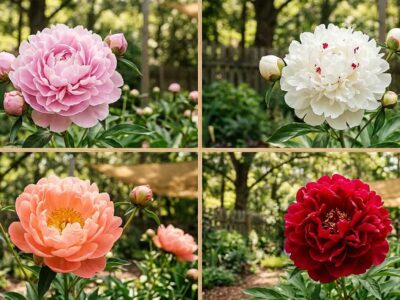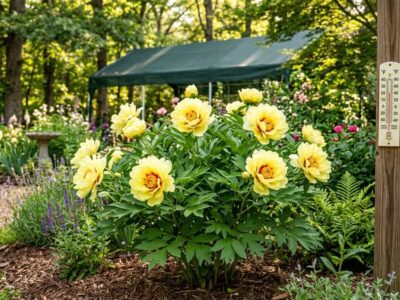

Peonies are a beloved garden staple in Massachusetts, thriving in the state’s USDA Zones 5 to 7. Thanks to the region’s cooler winters and moderate summers, a wide range of peony varieties can flourish. This guide outlines the best types of peonies suitable for Massachusetts, with practical advice on planting, care, and reliable sources for reference.
Peony Varieties Ideal for Massachusetts
1. Herbaceous Peonies
Herbaceous peonies are among the most popular in Massachusetts due to their hardiness and vibrant blooms. These perennials die back to the ground in winter and re-emerge each spring.
Recommended Varieties:
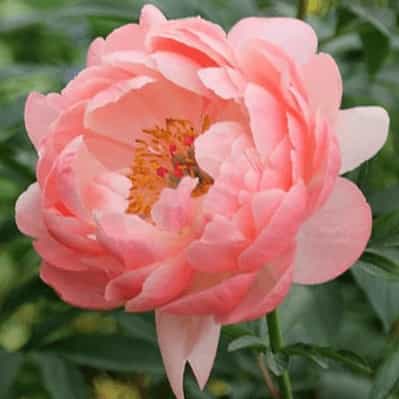
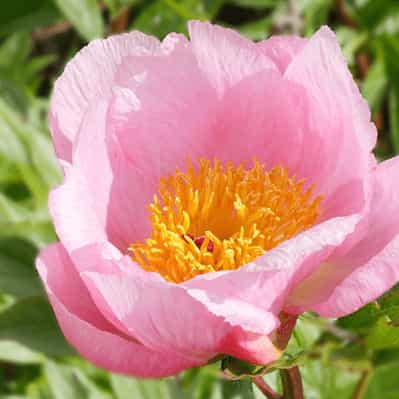
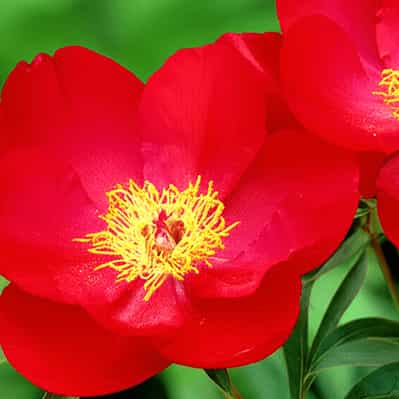
List of Early-blooming varieties
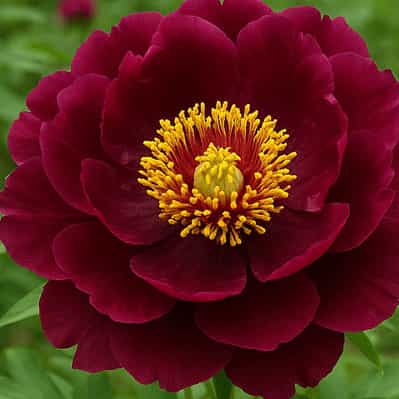
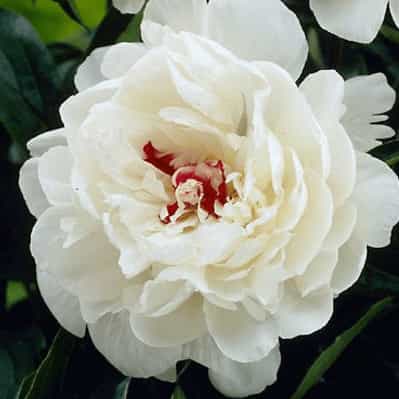
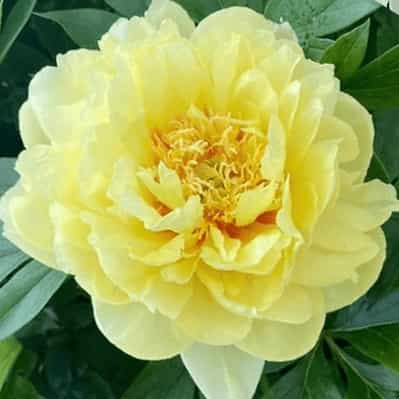
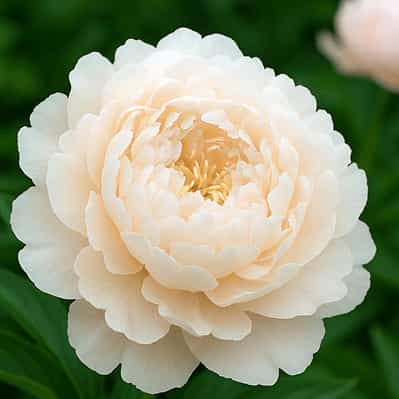
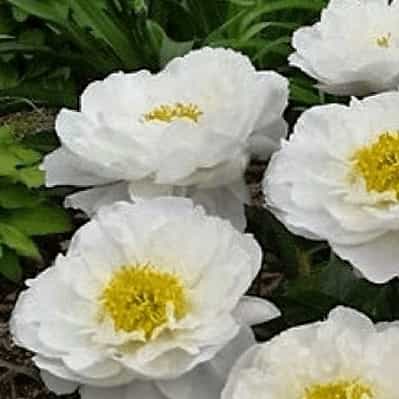
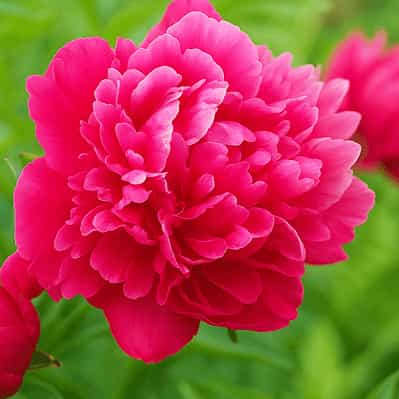
List of Late-blooming varieties
Practical Tips for Growing Peonies in Massachusetts
Site Selection
- Sunlight: Choose a location with at least 6 hours of direct sunlight daily. Partial shade can be helpful in hotter areas.
- Soil: Peonies prefer well-drained, loamy soil with a neutral to slightly alkaline pH (6.5-7.5). Amend heavy clay soil with compost for better drainage.
Planting
- Timing: The best time to plant peonies in Massachusetts is early fall, from September to October. This gives roots ample time to establish before winter.
- Depth: Ensure root buds (eyes) are no deeper than 1 to 2 inches below the soil surface for herbaceous and Itoh peonies. Tree peonies should be planted slightly deeper.
- Spacing: Allow 3 to 4 feet between plants to promote healthy airflow and prevent diseases.
Maintenance
- Watering: Maintain even soil moisture, especially during the growing season. Avoid waterlogging, as it can lead to root rot.
- Mulching: Apply a 2-inch layer of mulch in late fall to protect roots from frost and suppress weeds.
Fertilization
- Apply a balanced, low-nitrogen fertilizer in early spring to encourage blooms. Avoid over-fertilizing, as it can lead to excessive foliage growth at the expense of flowers.
When do Peonies Bloom in Massachusetts
In Massachusetts, peonies typically bloom from late May to mid-June, depending on the weather and the specific variety:
- Early-blooming varieties may begin flowering in late May. (🌸List of Flowers)
- Mid-season varieties usually bloom in early to mid-June. (🌺 List of Flowers)
- Late-blooming varieties can extend the season into late June. (🌸List of Flowers)
Factors That Affect Bloom Time:
- Temperature: Warmer springs can push bloom time earlier, while cooler ones delay it.
- Sunlight: Peonies need full sun to bloom well.
- Location: Coastal areas may bloom slightly earlier than inland or northern parts of the state.
Common Challenges and Solutions
Frost Damage
Late frosts in Massachusetts can harm emerging buds. Cover plants with frost blankets or burlap during cold snaps in early spring.
Pests and Diseases
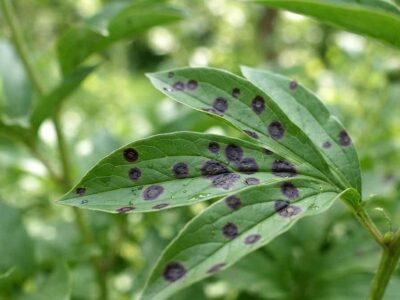
- Botrytis Blight: Remove and dispose of infected plant parts immediately. Ensure good air circulation to reduce fungal issues.
- Ants on Buds: While not harmful, ants can be an annoyance. Rinse them off with water before bringing cut flowers indoors.
Best Sources for Peony Varieties in Massachusetts
Local Nurseries:
- Many nurseries in Massachusetts, such as Weston Nurseries or Mahoney’s Garden Centers, stock peony varieties suitable for the region.
Online Retailers:
- Peony’s Envy: https://peonysenvy.com/ Offers a wide selection of peony varieties with helpful planting advice.
- American Meadows: https://americanmeadows.com/ Provides peony roots with detailed care instructions tailored to New England climates.
Local Gardening Groups:
- Joining gardening clubs like the Massachusetts Horticultural Society can provide access to plant swaps and expert advice.
Massachusetts provides an excellent climate for growing a wide range of peony varieties, from classic herbaceous types to modern Itoh hybrids and elegant tree peonies. With proper selection, planting, and care, your garden can be filled with these timeless blooms year after year.