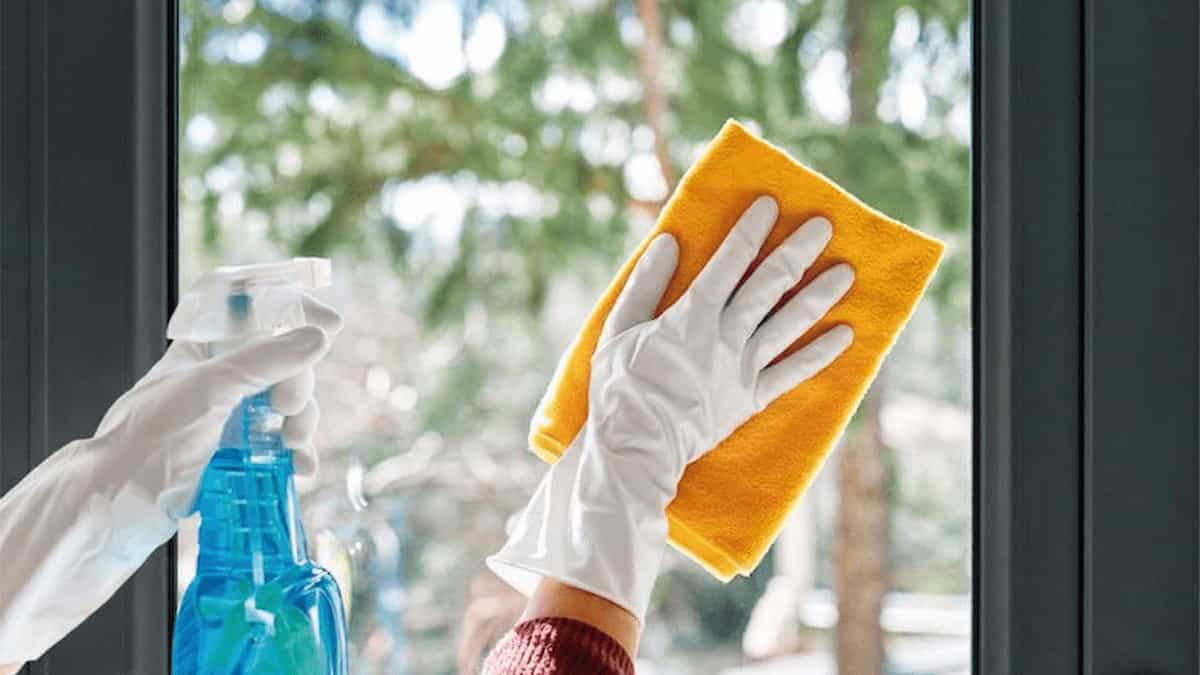
Clean window glass looks simple… until you try doing it yourself. You spray a “window glass cleaner,” wipe it down, and somehow end up with more streaks than before. Annoying, right?
Here’s the truth most people don’t realize: professional window cleaners don’t rely on fancy products. In fact, many of them avoid expensive window glass cleaners altogether.
What they really depend on is a combination of simple solutions, proper tools, and technique.
The Reality Behind “Window Glass Cleaner”
Walk into any store and you’ll see shelves full of glass cleaners promising a streak-free shine. But professionals don’t think like that. For them, the goal isn’t just cleaning — it’s control.
A typical professional setup often includes plain water with a small amount of mild soap. That’s it. No heavy chemicals, no strong fragrances. Why? Because too many additives can actually leave residue behind, which causes streaks under sunlight.
That’s why even the best window glass cleaner can fail if it’s overused or wiped incorrectly.
Why Simple Solutions Work Better
There’s something old-school about it, but it works — and it has worked for decades.
A basic mix of water and a few drops of dish soap breaks down dirt, grease, and dust without leaving behind a film. It gives just enough slip for tools to glide smoothly across the glass.
Some people also use a vinegar mix, especially for hard water spots. It’s effective, but professionals usually stick to soap solutions because they’re more consistent and easier to control.
In short, it’s not about finding a “stronger” window glass cleaner. It’s about using the right one in the right way.
The Part Most People Get Wrong: Tools
This is where things change completely.
You can use the best window glass cleaner in the world, but if you’re wiping it with a random cloth or paper towel, you’re setting yourself up for streaks.
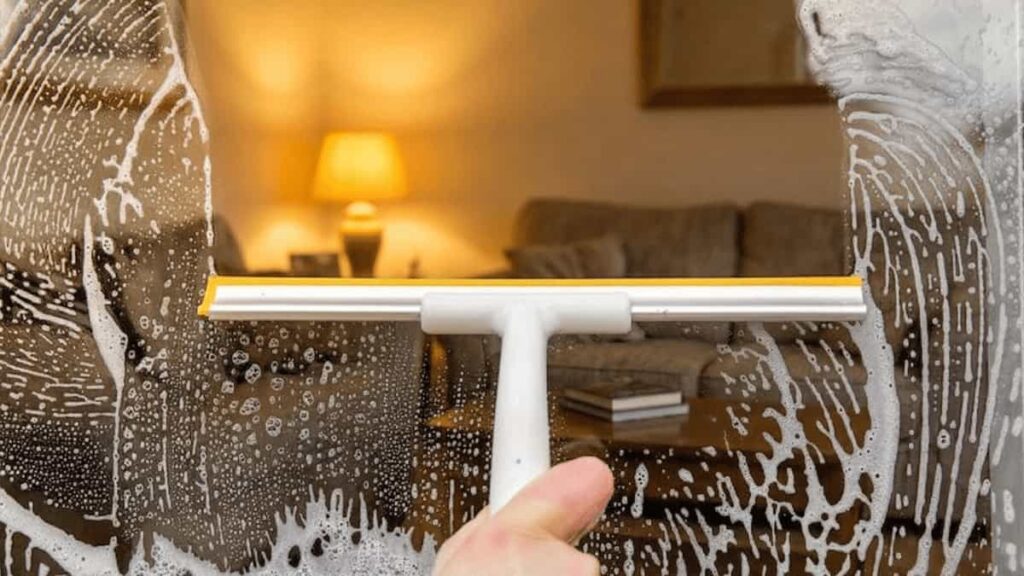
Professionals rely heavily on tools like squeegees and microfiber cloths. A squeegee, when used correctly, removes water in a single smooth motion — which means no residue left behind. Microfiber cloths help with edges and detailing without scratching the surface.
It’s less about what you use, and more about how evenly you remove it.
Technique Is the Real Game
Here’s the part nobody talks about enough.
Professionals don’t scrub randomly. They follow a method — usually starting from the top and working downward. This prevents dirty water from dripping over already cleaned areas.
They also avoid cleaning glass under direct sunlight. Sounds small, but it matters. Heat causes the solution to dry too quickly, which leads to streaks before you even get a chance to wipe properly.
So even if you’re using a high-quality window glass cleaner, poor timing and technique can ruin the result.
So, What Should You Actually Use at Home?
You don’t need a professional kit to get professional results.
A simple approach works best: a mild soap solution, a decent microfiber cloth, and if possible, a basic squeegee. That combination alone can outperform most store-bought window glass cleaners when used correctly.
If you still prefer using a ready-made window glass cleaner, use it lightly. More product doesn’t mean better results — it usually means more residue.
The Bottom Line
The idea that you need a special window glass cleaner for perfect results is mostly marketing.
Professionals prove this every day. They rely on simple solutions, solid tools, and consistent technique — not expensive bottles.
If you get those three things right, your window glass won’t just look clean. It’ll stay clean longer, with fewer streaks and less effort next time.
Related Solutions: